


Battery Energy Storage Systems: Powering Solar's Future
Table of Contents
The Storage Imperative: Why Solar Can't Go It Alone
Ever wondered why solar panels sometimes underperform despite perfect sunshine? The answer lies in our inability to capture surplus energy effectively. In 2025, the global energy storage market is projected to reach $50 billion, with lithium iron phosphate (LFP) batteries leading adoption rates by 38% year-over-year .
Take Germany's recent 100MW/200MWh project by TotalEnergies. By pairing solar farms with Saft's advanced LFP technology, they've achieved 92% round-trip efficiency - a 15% improvement over 2022 models. This isn't just technical jargon; it translates to powering 12,000 homes during evening peak hours when solar generation plummets.
Chemistry Breakthroughs Reshaping Storage
Battery chemistry has evolved faster than smartphone tech. The new generation of modular energy storage systems like Sigenergy's SigenStack demonstrate:
- Scalability from 50kW to multi-megawatt installations
- 5-minute rapid deployment capabilities
- 25-year performance warranties
But here's the kicker: these systems now cost 40% less per kWh than 2020 equivalents. As Solarpro's CEO Krasen Mateev noted during their Bulgarian BESS project launch: "Storage isn't just an add-on anymore - it's the backbone of reliable solar infrastructure."
Storage in Action: Global Case Studies
Let's examine three groundbreaking implementations:
1. The Razlog Blueprint (Bulgaria)
Hithium's 55MWh installation uses patented thermal management to handle -30°C winters without performance loss. The secret sauce? Phase-change materials that maintain optimal battery temperature using 80% less energy than traditional HVAC systems.
2. California's Virtual Power Plant
Over 10,000 residential solar-plus-storage systems now form a decentralized grid. During July 2024's heatwave, this network supplied 850MW to prevent blackouts - equivalent to a medium-sized coal plant.
3. Indonesia's Solar Storage Leap
With 4.8kWh/m² daily solar radiation, Indonesia's 2025 exhibition showcases hybrid systems combining floating solar with submerged saltwater batteries. The math speaks volumes: 30% higher yield than land-based installations at 20% lower infrastructure costs.
The Tightrope Walk: Cost vs. Performance
While battery prices keep falling, there's a catch. Higher-efficiency systems require:
- Cobalt-free cathodes (up 18% in production costs)
- AI-driven predictive maintenance
- Recyclable component architectures
Manufacturers like CATL and Jinko Solar are tackling this through vertical integration. Their new Nevada plant produces both solar panels and matching storage units, slashing logistics costs by 35% while improving system compatibility.
As we approach 2026, the industry faces its biggest test: making energy storage systems as commonplace as solar inverters. With projects like TotalEnergies' German installation proving the financial viability, and modular solutions democratizing access, the path forward is clearer than ever. The question isn't whether storage will dominate solar's future, but how quickly we can scale these solutions to meet skyrocketing demand.
Related Contents
Solving the Energy Storage Puzzle: How Solar and Battery Systems Are Powering a Sustainable Future
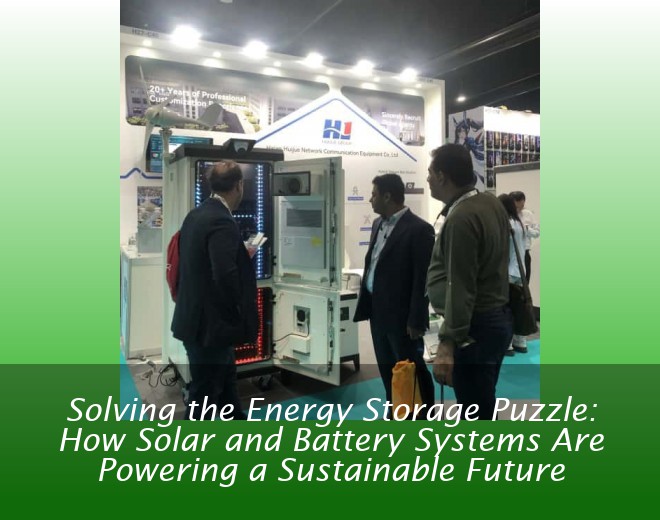
Ever wondered why your solar panels go quiet at night while your fridge keeps humming? The answer lies in the intermittency challenge – renewable energy’s Achilles’ heel. Solar farms produce zero power during cloudy days, and wind turbines stand still on calm nights. In 2024 alone, California’s grid operators curtailed 2.4 TWh of renewable energy – enough to power 220,000 homes annually – simply because there was nowhere to store it.
Solar Energy Storage and Battery Systems: Powering the Renewable Future
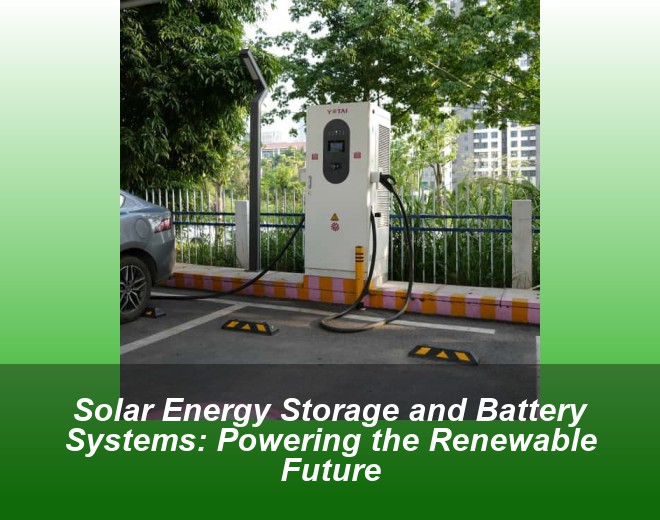
You know how people keep talking about solar energy storage like it's some futuristic concept? Well, it's already keeping lights on in California during blackouts and powering entire villages in sub-Saharan Africa. The global energy storage market grew 89% year-over-year in 2023, reaching $45 billion - but here's the kicker: we're still only using about 12% of our existing renewable generation capacity effectively.
Solar Battery Storage Systems: Powering the Renewable Energy Revolution
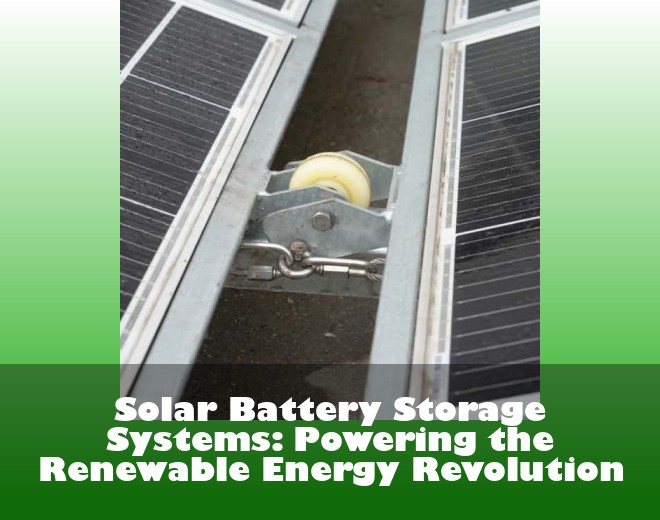
Ever wondered why your solar panels sometimes feel like expensive roof decorations? Here's the kicker: 35% of solar energy generated globally goes to waste because we can't store it properly. That's enough to power all of South America for six months – gone. Poof.
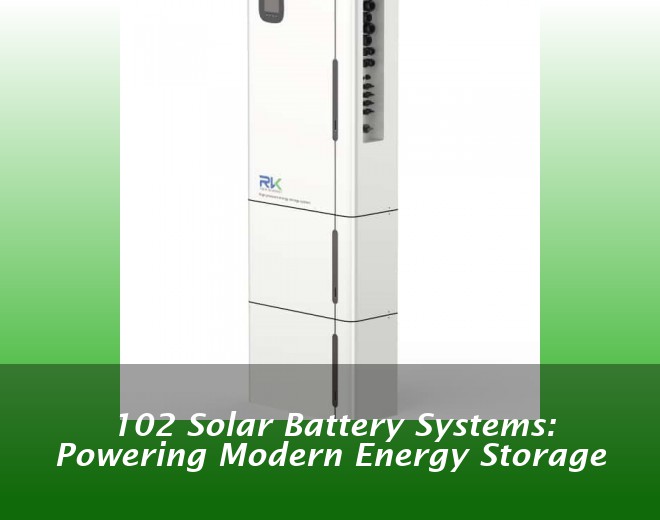
102 Solar Battery Systems: Powering Modern Energy Storage
Ever wondered why your solar panels sometimes feel like a deep cycle battery running on empty? You're not alone. As of June 2024, 68% of solar adopters report "intermittent anxiety" - that nagging worry about power gaps when the sun plays hide-and-seek. Traditional lead-acid batteries? They're sort of like trying to power a Tesla with AA batteries.
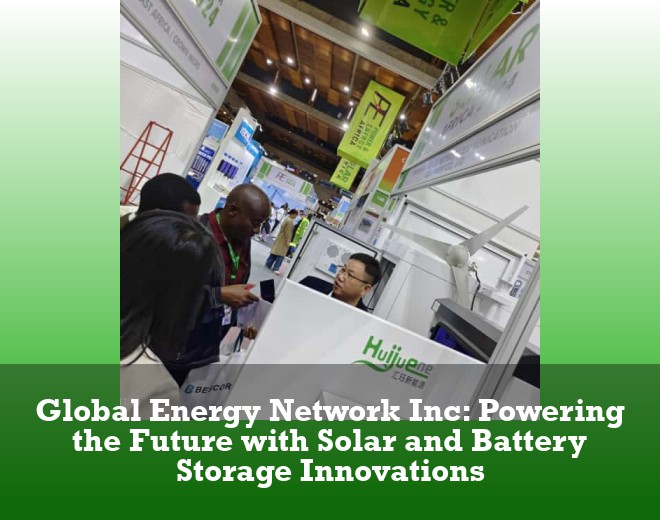
Global Energy Network Inc: Powering the Future with Solar and Battery Storage Innovations
Ever wondered why your neighborhood still experiences blackouts despite having solar panels on every other roof? The truth is, renewable energy adoption has outpaced our ability to store and distribute it effectively. Global Energy Network Inc finds itself at the center of this paradox - we've got more clean energy than ever before, but our grids can't handle the feast-or-famine nature of solar and wind power.
 Inquiry
 Online Chat