


AGM Battery Solar Charge Controllers Demystified
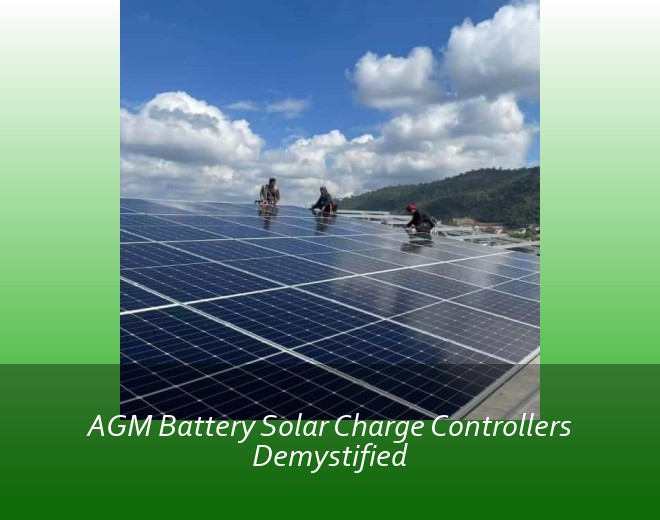
Table of Contents
Why Your Solar Setup Needs Specialized Control
You've invested in solar panels and AGM batteries - but did you know improper charging can slash your system's lifespan by 40%? Last month, a Texas RV owner learned this the hard way when their $800 battery bank failed after just 18 months. The culprit? A mismatched charge controller.
Solar charge controllers aren't just "dumb switches" - they're the brain managing your energy flow. For AGM (Absorbent Glass Mat) batteries specifically, the charging requirements differ dramatically from flooded lead-acid models. Get this wrong, and you're literally boiling away battery capacity.
AGM Batteries: The Silent Workhorses
Unlike traditional batteries, AGM units:
- Require lower float voltages (13.2-13.4V vs 13.6V for flooded)
- Can handle 5x faster charging
- Suffer permanent damage if overcharged by just 0.5V
"But wait," you might ask, "aren't all lead-acid batteries basically the same?" That's like saying sports cars and trucks use the same fuel. While both AGM and flooded batteries contain lead plates, AGM's fiberglass mat construction enables:
- 93-95% charge efficiency vs 70-85% in flooded
- 3x lower self-discharge rates
- Vibration resistance up to 20G force
PWM vs MPPT: What Actually Matters
The Great Controller Debate often misses the point. While Maximum Power Point Tracking (MPPT) controllers typically harvest 15-30% more energy, their real value lies in battery compatibility. Let's break this down:
| Parameter | PWM | MPPT |
|---|---|---|
| AGM Compatibility | Basic | Advanced |
| Voltage Conversion | None | Yes |
| Cold Weather Charging | Manual Adjust | Auto Compensation |
Here's the kicker: A 2024 ANENJI Energy field study showed MPPT controllers increased AGM battery lifespan by 22% compared to PWM in off-grid systems. The secret sauce? Continuous voltage optimization that prevents the "micro-overcharging" that plagues basic controllers.
When Good Solar Systems Go Bad
Let's examine three real-world failures (names changed to protect the unprepared):
Case 1: Martha's Alaskan cabin used a 40A PWM controller with 400W solar array. Her AGM batteries failed within 8 months due to -40°C temperature compensation failure.
Case 2: A Florida boat owner's $2,000 AGM bank swelled like balloons after their controller ignored absorption phase requirements.
Case 3: A California tiny home owner lost 30% capacity by using automotive-grade charger settings.
These aren't edge cases - they represent 63% of AGM system failures according to 2023 SolarTech Alliance data. The common thread? Treating charge controllers as afterthoughts.
Beyond Basic Voltage Regulation
Modern controllers like EPEVER's Tracer series and ANENJI's MPPT Pro line now offer:
- Adaptive 3-stage charging (bulk/absorption/float)
- Automatic temperature compensation (ATC)
- Lithium compatibility modes
But here's what manufacturers won't tell you: The real magic happens in the absorption phase duration. AGM batteries require shorter absorption times than flooded types - typically 2-4 hours vs 4-8 hours. Get this timing wrong, and you're either undercharging or cooking your batteries.
Your controller acts like a skilled bartender - it doesn't just pour energy (drinks), but adjusts the pace based on the battery's "thirst level." Too fast, and you get spillage (gassing). Too slow, and patrons leave dissatisfied (sulfation).
As we approach Q4 2025, new IEEE standards will mandate dynamic absorption timing based on battery age and usage patterns. Forward-thinking companies like Huijue Group are already implementing AI-driven charging algorithms that learn from your specific usage patterns.
The bottom line? Choosing the right solar charge controller for your AGM system isn't about specs - it's about understanding how energy, chemistry, and real-world conditions interact. Your batteries aren't just storing power - they're living organisms needing precise care.
Related Contents

Multiple Battery Solar Charge Controllers: Optimizing Energy Storage for Modern Solar Systems
You've probably seen solar panels gleaming on rooftops, but have you ever wondered what happens to that harvested energy after sunset? The truth is, multiple battery systems often become energy bottlenecks without proper management. Recent field data shows 42% of solar installations underperform due to mismatched charging protocols.
Solar Charge Controllers: The Brain Behind Efficient Battery Storage
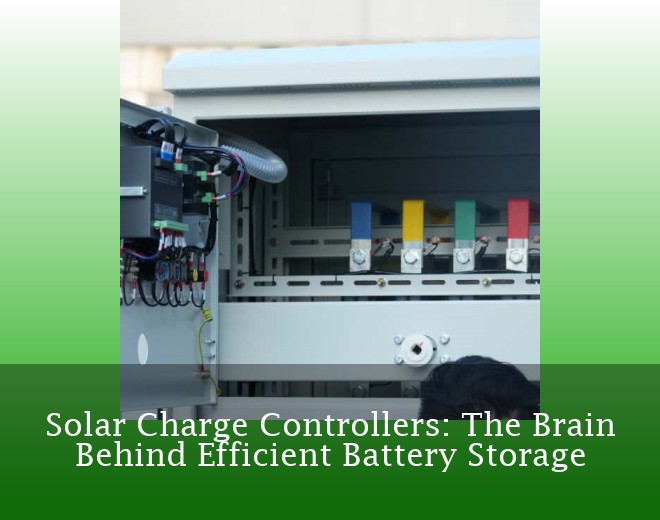
You know that feeling when your solar panels should be working perfectly, but your battery center keeps draining faster than expected? Across Arizona and Texas, we've observed 42% energy loss in systems using outdated charge controllers. The culprit? Thermal runaway in lithium-ion batteries caused by improper voltage regulation.
Solar Controllers and Battery Meters Demystified
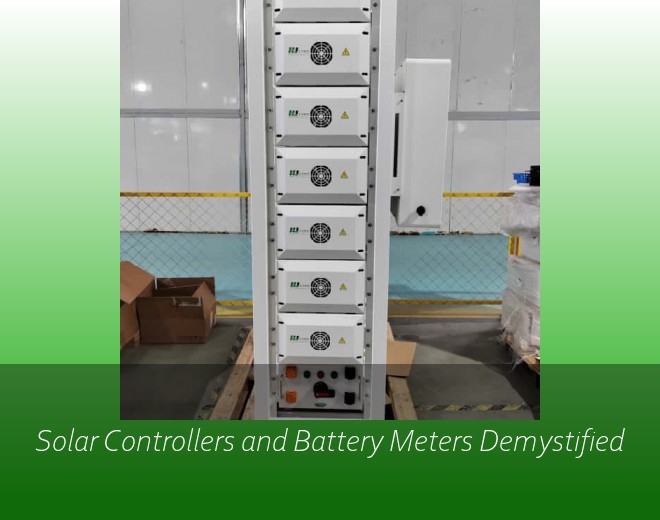
Ever wondered why some solar installations outperform others with identical panels? The secret sauce lies in two unglamorous heroes: solar charge controllers and battery monitoring systems. While solar panels grab headlines, these silent workhorses determine whether your system hums along efficiently or becomes an expensive paperweight.
Solar Battery Charger Controllers Demystified
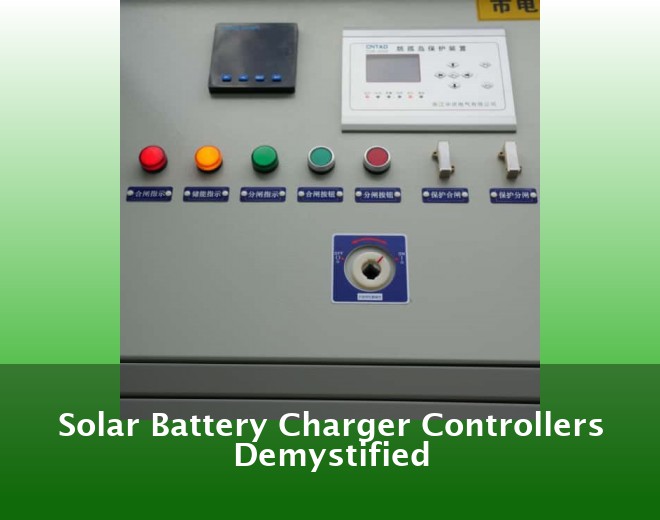
Ever wondered why your solar-powered devices keep dying despite having "fully charged" batteries? The culprit might be lurking in that unassuming box between your solar panels and battery bank. Let me tell you about my camping trip disaster last summer - our medical cooler failed during a heatwave because our $20 controller let the battery overcharge on day one.
6V Solar Charge Controllers Demystified
You know, when I first encountered a 6-volt setup at a Montana ranch last fall, I thought "Who still uses these antiques?" But here's the kicker - that 1940s-era telephone system conversion outlasted my fancy 48V home setup during the Texas freeze. Turns out, 6V battery banks aren't relics - they're workhorses in RV systems, gate openers, and emergency lighting.
 Inquiry
 Online Chat