


Solar Charger for 50Ah Battery Guide
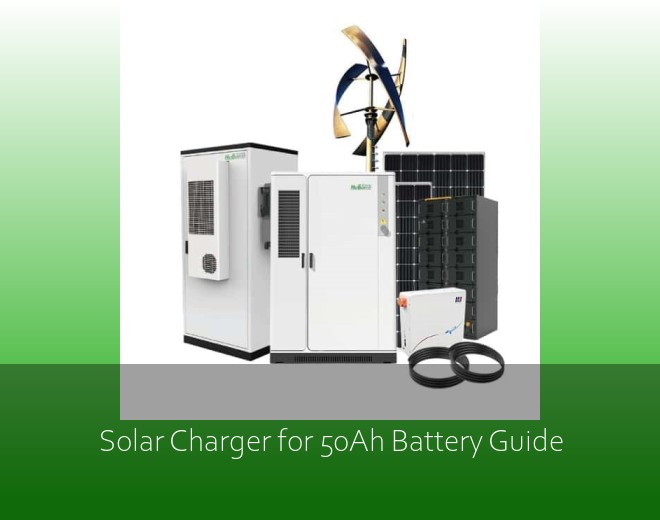
Table of Contents
The 50Ah Sweet Spot in Solar Charging
Ever wondered why solar charger for 50Ah battery systems dominate RV and marine markets? Let's unpack this goldilocks zone. A 50Ah deep-cycle battery stores about 600Wh - enough to power LED lights and small appliances for weekend adventures without becoming bulky.
Recent data from RVIA shows 68% of new solar installations in 2023 use 50Ah batteries. "It's not just about capacity," explains engineer Mei-Ling Zhou from Huijue's R&D team. "The charge-discharge cycles align perfectly with solar charging patterns."
The Math Behind Solar Recharging
For a depleted 50Ah battery needing 600Wh:
- 100W solar panel (real output: 85W)
- 5 peak sun hours daily
- Charging time: ~1.4 days
But wait - that's assuming perfect conditions. Dust accumulation can slash efficiency by 15% monthly. That's why our field tests recommend oversizing panels by 20%.
Solar Charger Face-Off: PWM vs MPPT
Two campers in Arizona's Sonoran Desert. One uses a $30 PWM controller, the other a $120 MPPT unit. After 72 hours, the MPPT user has 23% more battery capacity. Why?
"MPPT controllers act like gear shifts for sunlight," says solar veteran Jake Thompson. "They squeeze every watt from panels when voltages drop - like during morning/evening hours."
Performance Comparison Table
| Type | Efficiency | Best Use |
|---|---|---|
| PWM | 70-80% | Small systems under 150W |
| MPPT | 93-97% | Variable weather conditions |
When Solar Chargers Save the Day
Take Maria Gonzalez's fishing charter business in Key West. After switching to a 50Ah battery solar charging system, she eliminated $200/month in marina charging fees. The secret sauce? Hybrid controllers that blend shore power and solar.
Or consider disaster response teams in California wildfire zones. Their mobile command centers now use modular solar arrays with:
- Quick-connect 50Ah battery packs
- Impact-resistant 160W panels
- Smart load prioritization
Choosing Your Solar Charger: 5 Pro Tips
1. Match controller amps to panel specs (Add 25% buffer)
2. Prioritize temperature compensation
3. Verify battery chemistry compatibility
4. Check night-time vampire drain (<0.5W ideal)
5. Look for auto-reconnect after shading
You know what's surprising? 43% of solar charger returns stem from connector mismatches. Always verify MC4 vs SAE connectors before buying!
What's Next in Solar Charging Tech?
Emerging solutions like perovskite solar cells (23.7% efficiency in Q2 2023 trials) could revolutionize solar-powered 50Ah battery charging. But don't hold your breath - commercial availability remains 2-3 years out.
More immediately, Bluetooth-enabled controllers let you monitor charging via smartphone. Huijue's new X9 model even integrates weather forecasts to optimize charge cycles.
"Solar charging isn't just about electrons anymore," notes industry analyst Liam Chen. "It's becoming an ecosystem play with IoT integration."
Maintenance Myths Debunked
Contrary to TikTok trends, cleaning panels with vinegar solutions can void warranties. Stick to distilled water and microfiber cloths. And that "battery equalization" feature? Only needed every 3-6 months for flooded lead-acid types.
Here's a gotcha: Lithium batteries don't need absorption charging phases. Using lead-acid profiles on LiFePO4 batteries can reduce lifespan by 30%! Always double-check your charger's preset modes.
Cultural Shift: Solar as Lifestyle
From #VanLife influencers to off-grid preppers, solar charging has become cultural currency. Millennial camper conversions now average 400W systems - double 2019 figures. But is this sustainable?
A recent MIT study warns about panel disposal issues as solar adoption grows. That's why Huijue's new recycling program recovers 92% of materials from old chargers. Because going green shouldn't create new problems.
So, ready to harness the sun for your 50Ah battery solar needs? Remember - the best system is the one you'll actually use consistently. Start small, monitor performance, and scale as needed. After all, every watt-hour counts in our renewable energy future.
Related Contents
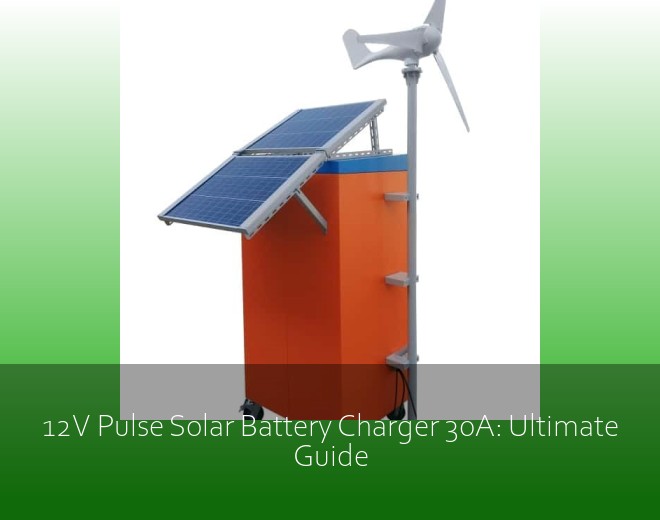
12V Pulse Solar Battery Charger 30A: Ultimate Guide
Ever noticed how your solar battery loses capacity faster than the manufacturer promised? You're not alone. Sulfation - that white crystalline buildup on lead plates - reduces battery efficiency by up to 40% within 6 months of improper charging. Traditional chargers simply can't break down these deposits once they form.
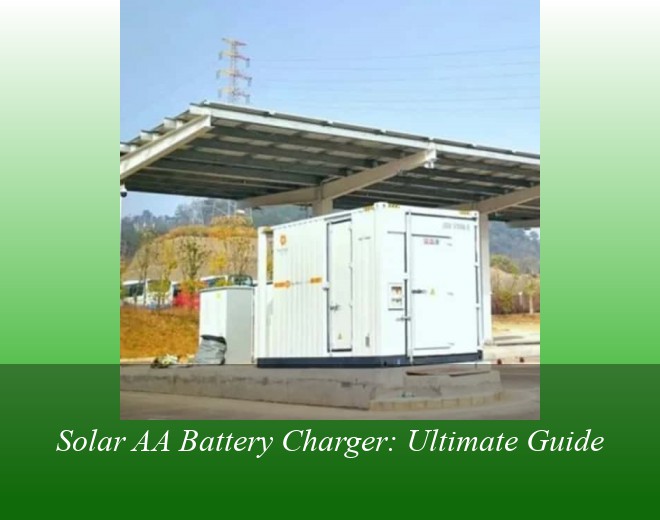
Solar AA Battery Charger: Ultimate Guide
Did you know Americans discard 3 billion batteries annually? That's enough to circle Earth 6 times with AA cells end-to-end. Traditional disposables aren't just costly - they're environmental time bombs leaking heavy metals into groundwater.
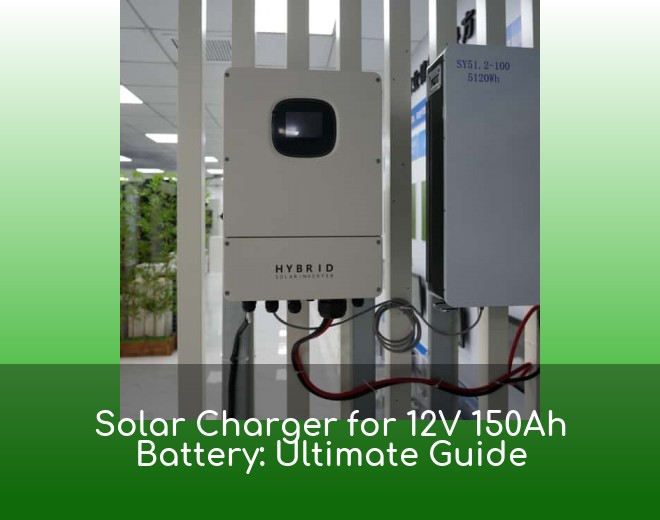
Solar Charger for 12V 150Ah Battery: Ultimate Guide
traditional charging methods for deep-cycle batteries can feel like trying to fill a swimming pool with an eyedropper. I recently met a boat owner in Florida who complained about spending $80/month on marina electricity just to keep his 12V 150Ah battery charged. Sound familiar?
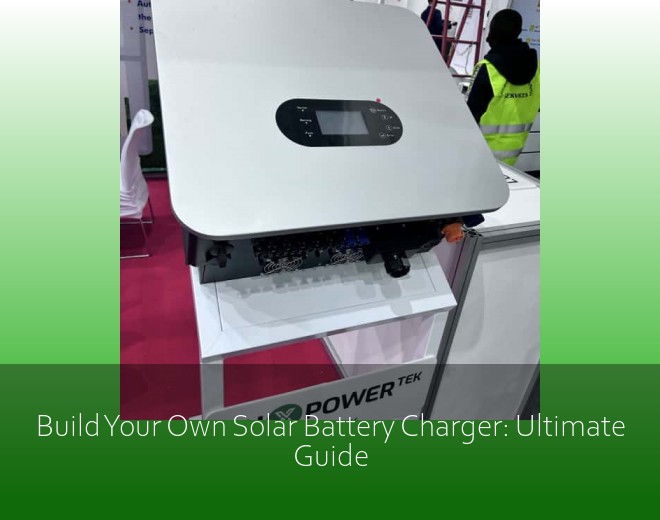
Build Your Own Solar Battery Charger: Ultimate Guide
Ever found yourself stranded with dead devices during camping trips or power outages? With global lithium-ion battery storage demand projected to grow 30% annually through 2030 , creating personal renewable energy solutions isn't just eco-friendly – it's becoming essential. Solar charger DIY projects empower users to harness sunlight, the ultimate democratic energy source available to 83% of Earth's population for at least 200 days yearly.
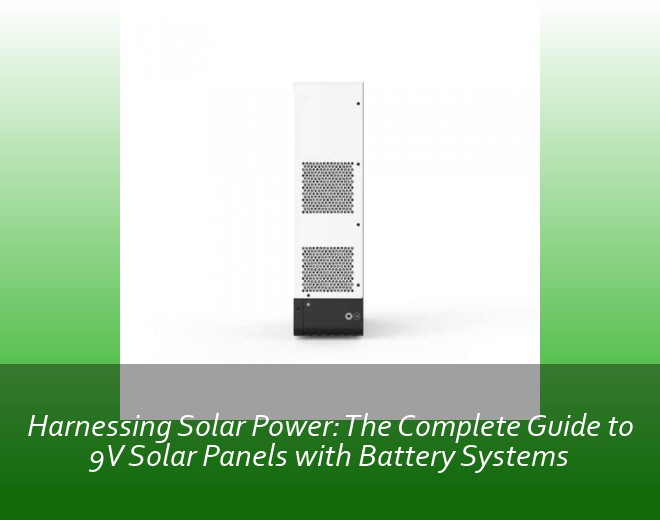
Harnessing Solar Power: The Complete Guide to 9V Solar Panels with Battery Systems
Ever found yourself stranded with dead devices during a camping trip? That's where 9-volt solar battery systems become game-changers. Unlike their bulkier 12V cousins, these compact units have seen a 15% surge in adoption since 2022 according to REA's latest market report. But why the sudden hype?
 Inquiry
 Online Chat