


Pliant Energy Systems: Powering Renewable Resilience
Table of Contents
The Renewable Revolution's Missing Link
We've all heard the numbers - solar installations grew 35% year-over-year in 2024, wind power now supplies 10% of global electricity. But here's the elephant in the room: pliant energy systems aren't keeping pace with renewable expansion. Last March, Inner Mongolia temporarily curtailed 12% of its wind generation because the grid couldn't handle the variability.
This mismatch creates what engineers call the "renewable paradox" - clean energy sources that are abundant but temperamental. Flexible energy networks act as shock absorbers, converting intermittent sun and wind into reliable power. They're not just nice-to-have accessories; they're becoming the central nervous system of modern grids.
Why Conventional Grids Fail Modern Needs
Traditional power systems operate like rigid highways - great for steady traffic but terrible for handling solar noon surges or windless nights. The solution? Think of adaptable energy systems as smart traffic controllers that can:
- Redirect excess renewable energy to storage or hydrogen production
- Instantly compensate for cloud cover or wind lulls
- Integrate distributed generation from homes to factories
The Science Behind Flexible Energy Networks
At its core, pliant energy technology combines three innovations:
- Advanced power electronics (like those in the Zhangbei project )
- AI-driven predictive analytics
- Multi-vector energy storage (batteries + hydrogen)
Take SunHydrogen's 2024 breakthrough - their alkaline-PEM hybrid electrolyzers can switch between hydrogen production modes based on real-time electricity prices . This flexibility increased utilization rates by 40% compared to conventional systems.
China's Pioneering Flexible Energy Projects
The Zhangbei flexible DC grid demonstrates this technology's potential at scale. Since 2020, it's delivered 301.64 billion kWh of renewable electricity to Beijing - equivalent to powering 8.2 million homes annually . The secret sauce? Its "brain-like" control system that manages:
| Challenge | Solution |
|---|---|
| Wind fluctuations | Instant power rerouting |
| Voltage spikes | Capacitor banks activation |
| Grid inertia | Virtual synchronous compensators |
Meanwhile in Jilin Province, Yangtze Power's hydrogen ferry project uses flexible PEM electrolyzers that ramp up during off-peak hours . It's not just about technology - it's about creating new energy economics.
Hydrogen: The Ultimate Energy Buffer
"Why can't we just build more batteries?" you might ask. Well, lithium-ion works for short-term storage, but flexible hydrogen systems solve seasonal mismatches. China's largest green ammonia plant in Da'an stores summer solar energy as hydrogen, converting it to fertilizer during winter heating season .
The numbers speak volumes:
- 1MW electrolyzer can absorb 4.8MWh excess daily solar
- Hydrogen-to-power roundtrip efficiency reached 42% in 2024 trials
- Underground salt caverns store hydrogen at 1/10th of battery costs
Balancing the Flexibility Equation
While the tech progresses, the real challenge is economic. Flexible systems require upfront investment but create multiple revenue streams:
"Our Ningxia hybrid plant sells electricity, hydrogen, and grid services simultaneously. It's like a renewable energy Swiss Army knife." - SunHydrogen Project Manager
Recent policy moves suggest governments get it. China's 2025 National Energy Administration guidelines mandate pliant system components in all new renewable projects above 100MW. The message is clear: flexibility isn't optional anymore - it's fundamental.
Related Contents
Battery Energy Storage Systems (BESS): Powering the Renewable Energy Revolution
Ever wondered why your solar panels stop working during blackouts? Battery Energy Storage Systems (BESS) hold the answer. With global renewable energy capacity growing 15% annually since 2020, the real challenge isn't generation—it's storing that clean power when the sun sets or winds die. Traditional grids lose up to 30% of renewable energy due to mismatched supply and demand cycles.
Energy Chain Systems: Powering Renewable Transitions
Ever wondered why we can't just power everything with solar and wind? The brutal truth lies in what industry insiders call "renewable whiplash" - the maddening mismatch between green energy production and consumption patterns. While global renewable capacity grew 12% last year, curtailment rates (wasted energy) reached 15% in sunny California and 22% in windy Scotland during peak generation hours.
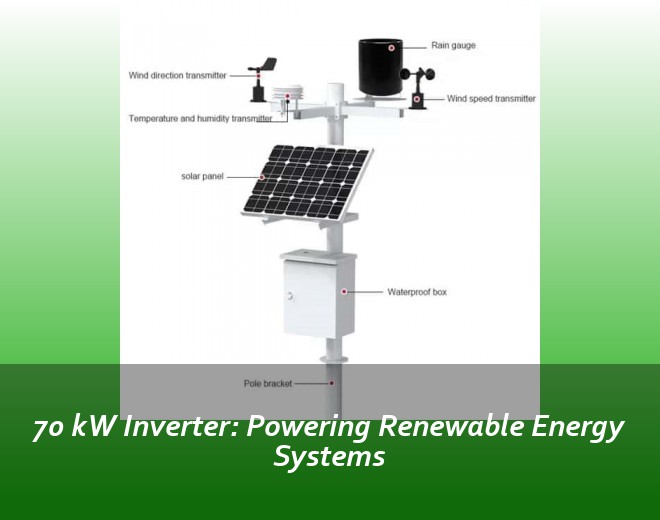
70 kW Inverter: Powering Renewable Energy Systems
You know how people obsess over solar panels while ignoring the 70 kW inverter that actually makes the power usable? Let's fix that cognitive blindspot. These unsung heroes convert DC to AC with 97%+ efficiency - the difference between theoretical energy production and actual usable electricity.
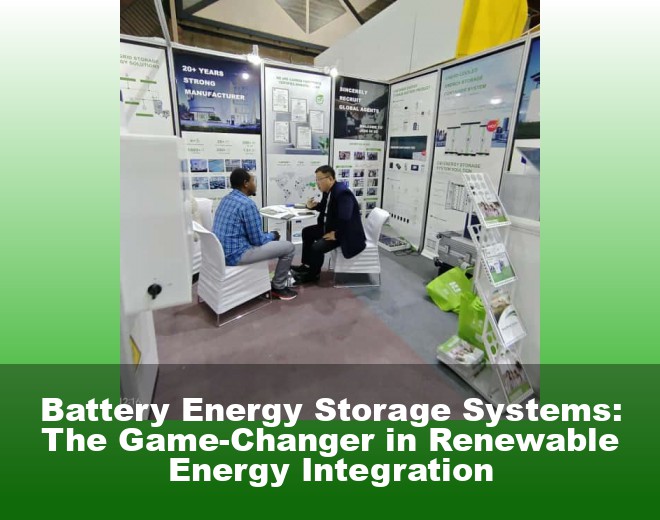
Battery Energy Storage Systems: The Game-Changer in Renewable Energy Integration
California’s grid operators watching helplessly as 300,000 MWh of solar power gets curtailed on a sunny afternoon—enough to power 90,000 homes for a day. Meanwhile, Texas households shivered through 2023’s winter storms despite having the nation’s largest wind power capacity. The culprit? A fundamental mismatch between when we generate renewable energy and when we actually need it.
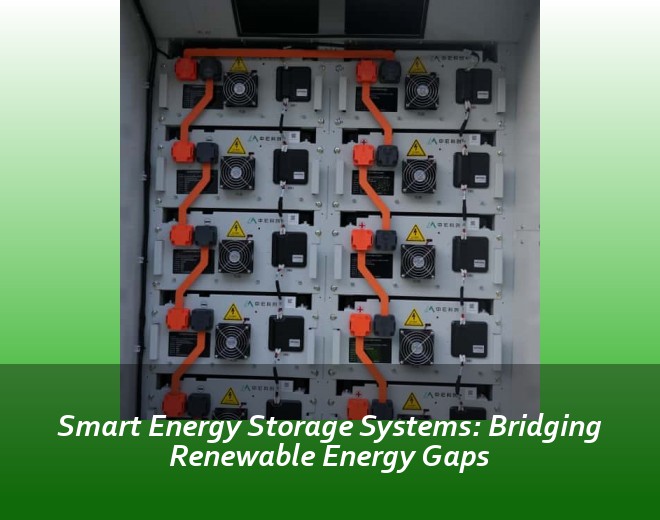
Smart Energy Storage Systems: Bridging Renewable Energy Gaps
Ever wondered why we can't just power everything with solar and wind? The truth is, renewable energy intermittency creates a rollercoaster effect on power grids. Solar panels sit idle at night while wind turbines freeze during calm spells - it's like trying to drink from a firehose that keeps turning on and off.
 Inquiry
 Online Chat