


Enhancing Grid-Tied Solar with Batteries
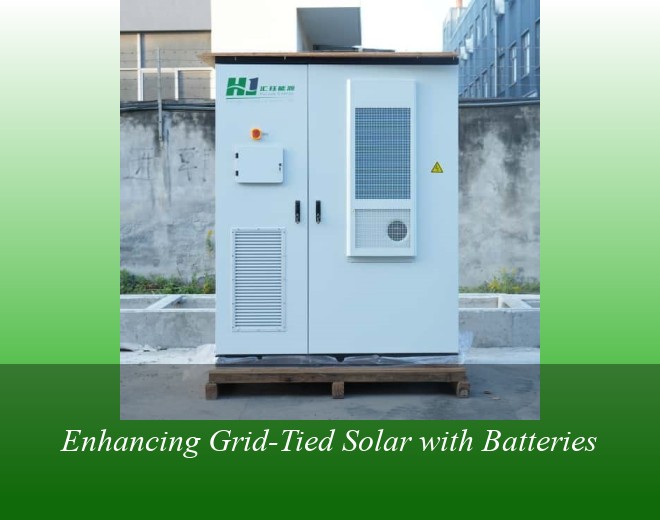
Table of Contents
The Grid-Tied Solar Paradox
You've got solar panels feeding the grid, but here's the kicker - when the power goes out, your system shuts down automatically. It's like having a water pump that stops working during a flood. Why? Safety regulations require grid-tied systems to disconnect during outages to protect utility workers.
Now consider this: In 2023, the average U.S. household experienced 7+ hours of power interruptions. That's where battery storage systems come in. By adding batteries, you're not just storing excess energy - you're creating an intelligent buffer against blackouts and time-of-use charges.
The Hidden Math of Energy Independence
Let's crunch numbers from a real San Diego installation:
- 5kW solar array + 10kWh battery
- Reduced grid dependence from 60% to 15%
- Payback period: 6-8 years vs. 4-5 years for solar-only
"But wait," you might ask, "doesn't the battery cost negate solar savings?" Actually, new time-shifting tariffs make batteries financially viable. Pacific Gas & Electric's recent rate changes show peak rates now hit $0.48/kWh - triple off-peak prices!
Battery Showdown: Lithium vs Lead-Acid
Lead-acid batteries - the old workhorses - still claim 22% of the residential market. But lithium-ion solutions like Tesla Powerwall dominate new installations. Here's why:
| Factor | Lead-Acid | Lithium-Ion |
|---|---|---|
| Cycle Life | 500-1,000 | 3,000-6,000 |
| Depth of Discharge | 50% | 90%+ |
| Space Needed | Garage-sized | Wall-mounted |
Funny story - last month, I visited a Texas homesteader who combined both technologies. He uses lead-acid for baseline loads and lithium for quick-response needs. "It's like having a pickup truck and a sports car in my energy garage," he quipped.
California's Solar-Plus-Storage Surge
The Golden State's latest net metering policy (NEM 3.0) has turned the solar world upside down. Since April 2023:
- Battery attachments jumped from 8% to 95% of new solar installations
- Average system size increased 23%
- Virtual power plant enrollments tripled
San Diego resident Maria Gonzalez shared: "Our solar-only system felt incomplete. After adding batteries, we're not just saving money - we're helping stabilize the neighborhood grid during heatwaves."
The Installation Tightrope
Here's where things get tricky. Retrofitting batteries to existing solar systems isn't always plug-and-play. Three critical considerations:
- Inverter compatibility (AC vs DC coupling)
- Main panel upgrade requirements
- Local fire codes for battery placement
Arizona installer Jake Reynolds warned me: "We've seen 20% of retrofit jobs require unexpected upgrades. Always get a site survey before committing."
Beyond Blackout Protection
While emergency backup drives most purchases, forward-thinking homeowners are unlocking new value streams:
"Through our VPP program, we've earned $1,200 last summer just by letting the utility access our stored power during peak events." - Ethan Lee, Colorado
Emerging applications include:
- Electric vehicle charging optimization
- Whole-home surge protection
- Grid services participation
The real game-changer? Second-life EV batteries entering the market. Nissan now offers refurbished Leaf batteries at 40% lower cost than new units - a potential watershed moment for budget-conscious buyers.
The Cultural Shift
From Texas ranchers to New York condo boards, energy storage is becoming a status symbol. TikTok's #PowerwallProud hashtag has amassed 18M views, with Gen Z users flaunting their home batteries like the latest iPhone. It's not just practical - it's aspirational.
As we head into 2024, one thing's clear: Solar-plus-storage isn't just an upgrade - it's the new baseline for energy-savvy homeowners. The question isn't whether to add batteries, but rather which benefits to prioritize first.
Related Contents
Grid-Tied Solar Systems Without Batteries: A Smart Energy Solution
when most people picture solar power, they imagine battery banks humming in basements. But here's the kicker: modern grid-tied systems are achieving 93% customer satisfaction rates without any storage components. The secret sauce? Direct energy swapping with utility companies through net metering programs.
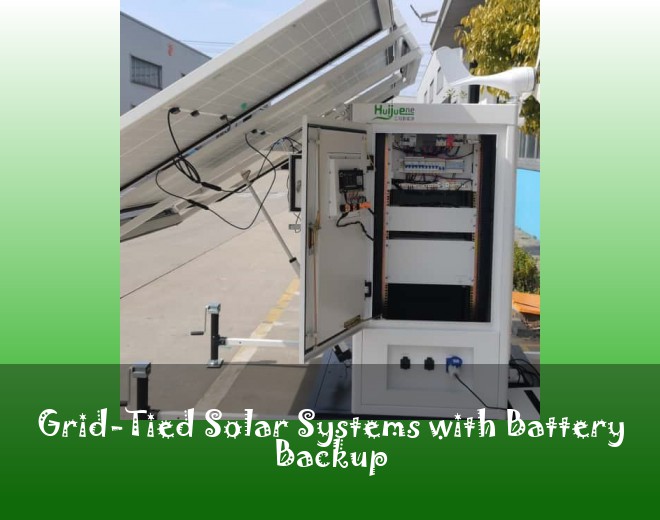
Grid-Tied Solar Systems with Battery Backup
You know how traditional solar setups either feed power back to the grid or operate completely off-grid? Well, hybrid systems with battery storage are sort of the best of both worlds. These setups let homeowners store excess energy while maintaining a lifeline to utility power – a critical feature during extended outages like Texas’ ice storms last winter.
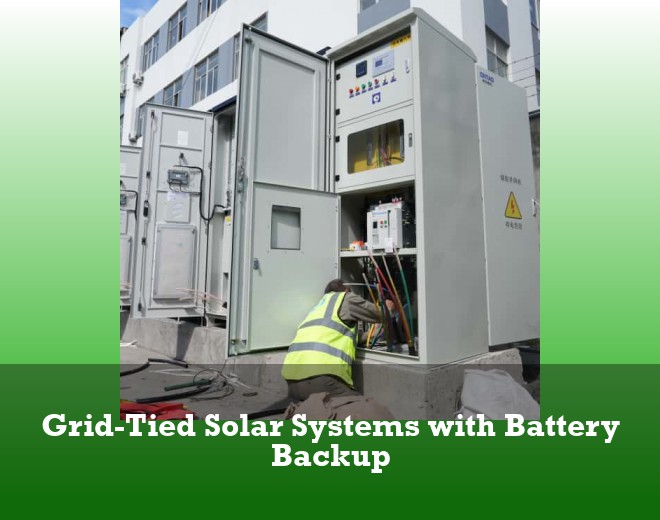
Grid-Tied Solar Systems with Battery Backup
You’ve probably seen solar panels glittering on rooftops, but here’s the kicker – most systems can’t power your home during blackouts. That’s where battery-backed grid-tied systems rewrite the rules. Unlike traditional setups that shut down when the grid fails, these hybrid solutions keep your lights on while maintaining connection to utility power.
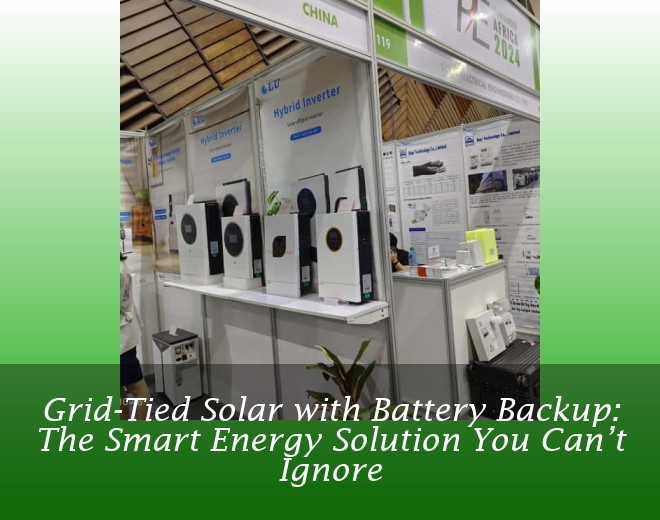
Grid-Tied Solar with Battery Backup: The Smart Energy Solution You Can’t Ignore
You’ve probably heard that grid-tied solar systems can slash your electricity bills. But what happens when the grid goes down? Let’s face it—traditional solar setups without storage leave you vulnerable during blackouts. In 2023 alone, the U.S. experienced over 8 hours of average power interruption per customer, up 12% from 2020.
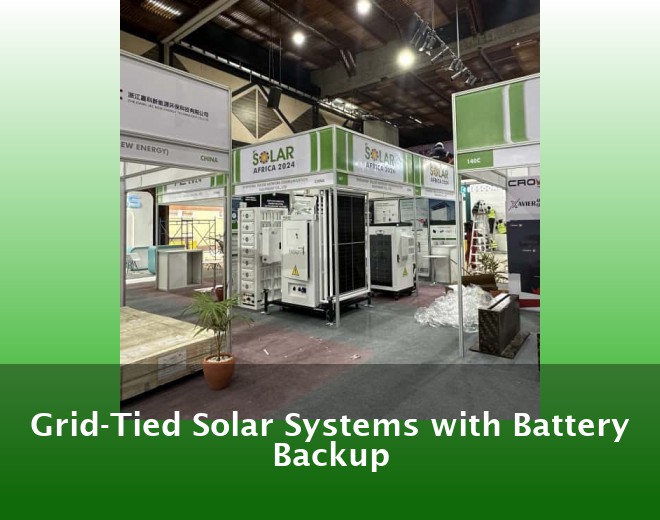
Grid-Tied Solar Systems with Battery Backup
You know how everyone's been talking about "energy independence" since the Texas grid collapse? Well, here's the thing – grid-tied systems with battery storage aren't just for preppers anymore. With 43% of U.S. homeowners reporting power outages in 2023 (DOE survey), the game's changed. But wait – aren't batteries crazy expensive? Let's unpack that.
 Inquiry
 Online Chat