


How Long Do Lithium Solar Batteries Last? Key Factors and Pro Tips
Table of Contents
The 5-15 Year Lifespan Reality
You’ve probably wondered: “Will my lithium solar batteries outlive my roof panels?” The answer’s complicated—like that friend who’s great at parties but terrible at returning texts. Most manufacturers claim 5-15 years, but here’s the kicker: I’ve seen systems fail in 3 years and others humming along at 18. What makes the difference? Let’s peel this onion.
The Great Battery Lottery
Imagine two neighbors installing solar in 2023. Mrs. Smith’s batteries conked out last month. Mr. Lee’s? Still going strong. The culprit? Mrs. Smith bought bargain batteries without proper depth of discharge (DoD) management. Turns out, constantly draining batteries to 90% capacity can slash lifespan by 60% compared to stopping at 20%.
Cycle Life vs. Calendar Life: What Really Matters
“But the spec sheet says 6,000 cycles!” I hear you protest. Wait, no—it’s not just about time, but how you use them. A cycle means 0-100% discharge. Partial cycles? They add up differently. Here’s a dirty little industry secret:
| Daily Discharge | Equivalent Full Cycles/Year | Expected Lifespan |
|---|---|---|
| 20% | 73 | 15+ years |
| 50% | 182.5 | 8-10 years |
| 80% | 292 | 5-6 years |
See how that “6,000 cycles” claim gets murky? It’s like saying “This car lasts 300,000 miles”—but only if you drive 10 mph on perfect roads.
3 Silent Killers of Your Battery’s Longevity
1. The Temperature Trap
Last summer’s Arizona heatwave killed more batteries than rattlesnakes. Lithium batteries hate temperatures above 113°F (45°C)—capacity fades 30% faster per 15°F above 77°F. But here’s what nobody tells you: Cold weather charging below 32°F (0°C) causes lithium plating—permanent, irreversible damage that’s like arthritis for batteries.
2. The Partial Cycle Paradox
We thought shallow discharges were safe. New 2024 research shows frequent 10-20% “microcycles” from cloudy days actually stress batteries more than planned deep cycles. It’s like constantly waking someone up during REM sleep.
3. The Voltage Vampire
That cheap charge controller? It’s probably overcharging your batteries by 0.2V—enough to accelerate aging by 18 months. Premium Battery Management Systems (BMS) maintain voltage within 0.05V precision—the difference between a marathon runner and a couch potato.
The BMS Magic: Your Battery’s Secret Bodyguard
Modern BMS units do more than prevent overcharging. They’re like NASA mission control for your electrons:
- Predict cell imbalance 72 hours before failure
- Auto-adjust charging based on weather forecasts
- Compensate for aging by recalibrating capacity
A client in Minnesota saved $12,000 last winter when their BMS detected a weak cell before the polar vortex hit. The fix? Isolating the bad cell instead of replacing the whole bank.
When Good Batteries Die Young: Real-World Cases
Case Study: A Florida solar farm lost 40% capacity in 2 years. Autopsy revealed “tropical aging”—high humidity induced dendrite growth between electrodes. The fix? Installing desiccant breathers and humidity-controlled enclosures added 3 years to replacement cycles.
Pro Tip: Always check your battery’s IP rating. IP65 isn’t enough for coastal areas—salt spray demands IP68 with anti-corrosion coatings.
So, will your lithium solar batteries last? With smart cycling, temperature control, and a top-notch BMS? You’re looking at 12+ years of reliable service. Without them? Well... let’s just say you’ll become very familiar with warranty claims.
Related Contents
Why Solar Lithium Batteries Dominate Solar Storage
Let's face it – the solar industry's been stuck with lead-acid batteries since the 1970s. But here's the kicker: lithium batteries now power 68% of new solar installations globally. Why the sudden shift? Well, imagine trying to charge your smartphone with a car battery. That's essentially what we've been doing with solar systems using outdated battery tech.
How Long Do Solar Batteries Last?
You know that feeling when your smartphone battery starts fading after 18 months? Solar storage systems face similar aging - but with way higher stakes. The average home battery costs $10,000+, making longevity crucial for ROI.
How Long Do Solar Batteries Last? Decoding Lifespan Secrets
Let's cut to the chase - not all solar batteries are created equal. The silicon purity in photovoltaic cells directly determines how well they'll perform decades down the line. Premium-grade panels from tier-1 manufacturers typically maintain 92% efficiency after 25 years, while budget options might dip below 80% within a decade.
Why Lithium Iron Phosphate Batteries Are Dominating Solar Energy Storage
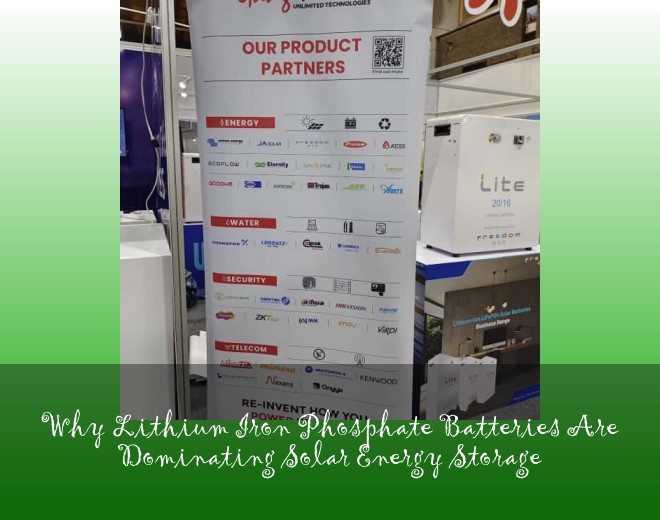
Ever wondered why 68% of solar adopters report battery-related disappointments within 3 years? The harsh truth lies in chemistry mismatches. While lead-acid batteries dominated early solar installations, their 500-cycle lifespan barely covers 2 years of daily use in solar energy storage systems.
Why Lithium Batteries Dominate Solar Storage
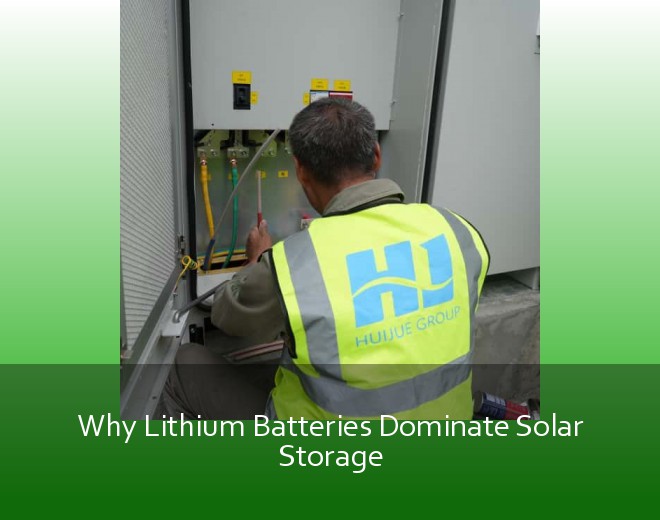
Ever wondered why your neighbor's solar panels keep working during blackouts while yours go dark? The secret sauce lies in their lithium battery system. Traditional lead-acid batteries, bless their hearts, just can't keep up with modern energy demands.
 Inquiry
 Online Chat