


Solar Energy Revolution in Poland: Key Drivers and Market Insights
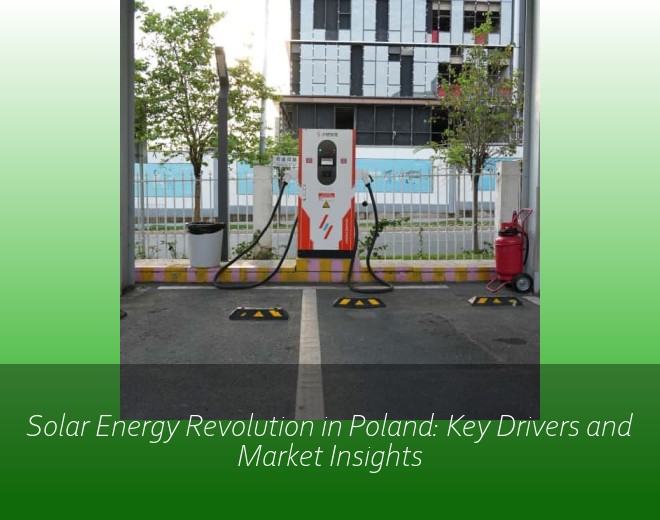
Table of Contents
Current State of Poland's Solar Market
Poland's solar energy sector is experiencing unprecedented growth, with installed capacity skyrocketing from 2 MW in 2011 to 11.16 GW by 2024. The government's aggressive renewable energy auctions and residential subsidy programs have transformed the country into Central Europe's fastest-growing photovoltaic market. But how did a nation historically dependent on coal achieve this remarkable turnaround?
Government Policies Fueling Growth
The "My Electricity" program, offering up to 50% rebates for residential PV installations, has driven over 300,000 Polish households to adopt solar since 2019. For commercial projects, the Contract for Difference (CfD) scheme guarantees energy prices for 15 years, creating investor confidence. These measures align with Poland's National Energy and Climate Plan targeting 7.8 GW solar capacity by 2030 – a goal experts predict could be reached five years early.
Challenges in Grid Integration
Poland's aging power infrastructure struggles to handle solar's intermittent nature. Last winter, grid operators reported 127 instances of renewable energy curtailment in northern regions. The solution? Battery storage systems are emerging as the missing puzzle piece, with PGE Group's 900 MWh Żarnowiec project demonstrating how large-scale storage can stabilize grids.
The Duck Curve Conundrum
Solar generation peaks at midday while demand surges in evening hours. This mismatch creates what energy economists call the "duck curve" – a phenomenon causing price volatility and grid stress. Polish utilities are now piloting time-of-use tariffs and AI-powered demand response systems to flatten this curve.
Storage Solutions to the Rescue
2024 saw Poland's battery storage capacity triple to 1.2 GWh, driven by new market rules allowing storage operators to participate in capacity markets. The game-changer? Hybrid systems combining solar panels with lithium-ion batteries now achieve 92% round-trip efficiency, up from 85% in 2022.
Residential Storage Economics
A typical 5 kW home solar system paired with 10 kWh storage pays back in 6-8 years under current electricity prices. With the government's new "Storage+" subsidy covering 30% of battery costs, adoption rates have jumped 40% year-on-year.
Case Studies and Success Stories
The 400 MW Gryfino solar farm, operational since Q3 2024, showcases Poland's utility-scale potential. Its integrated 120 MWh battery system provides black-start capability – a crucial feature for grid resilience. On the residential front, the town of Nowy Sącz has become Poland's first "solar community," with 83% of households generating and trading renewable energy through blockchain platforms.
Innovation Spotlight: Floating Solar
Poland's first floating PV installation on the Wisła River combines solar generation with hydroelectric infrastructure. The 2.4 MW pilot project reduces water evaporation by 70% while increasing panel efficiency through natural cooling – a potential blueprint for land-constrained regions.
Future Outlook and Opportunities
As Poland phases out coal completely by 2036, the solar industry must address three critical challenges:
- Workforce development (current 18,000 solar jobs vs. estimated 54,000 needed by 2027)
- Recycling infrastructure for end-of-life panels
- Integration with electric vehicle charging networks
The upcoming SE Expo 2025 in Warsaw will showcase cutting-edge solutions, from perovskite solar cells achieving 31% efficiency to AI-optimized microgrid controllers. With solar panel costs projected to drop another 22% by 2026, Poland's renewable transition is entering its most exciting phase yet.
Related Contents

Solar Energy Market 2025: Key Drivers and Emerging Trends
The global solar energy market is projected to grow at 14.5% CAGR through 2029, fueled by plunging equipment costs and urgent climate action. What's driving this acceleration? Let's unpack the numbers: solar accounted for 75% of new U.S. power capacity in Q1 2025, while Poland's photovoltaic capacity jumped 600% since 2020 to 11.16 GW.
Leoch Solar Battery: Energy Storage Revolution
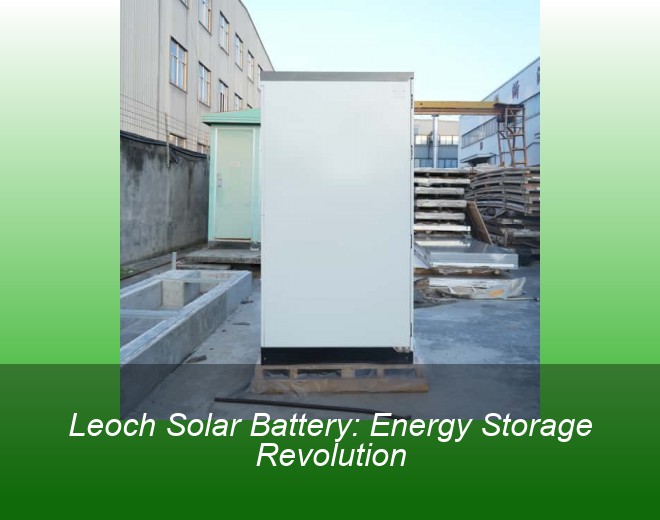
You know that frustrating moment when your phone dies during a video call? Now imagine that scenario with your entire home. Last winter's Texas power outages left 4.5 million households shivering in the dark - proof that our energy infrastructure's sort of like a Jenga tower waiting to collapse.

Solar Panels in Ghana: Costs and Energy Revolution
You know, it's not just about light bulbs. When 34% of Ghanaian businesses report power outages as their top operational challenge, we're looking at a national productivity crisis. The Akosombo Dam, which supplies 45% of the country's electricity, now operates at 60% capacity due to erratic rainfall – a harsh reality of climate change.
Solar and Wind Power Energy Revolution
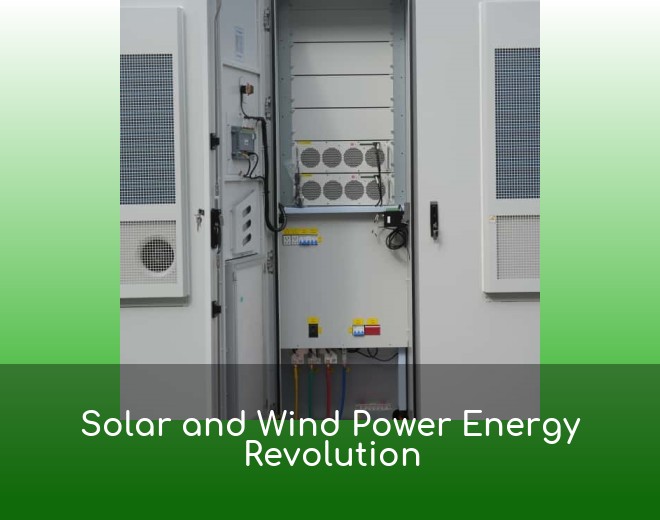
Let's face it – our grandparents wouldn't recognize today's power grids. Solar and wind power energy now accounts for 12% of global electricity generation, doubling its share since 2015. But here's the kicker: California recently achieved 97% renewable energy penetration for 15 straight days this April. How's that possible in a state with 40 million people?
Solar Energy Storage Revolution
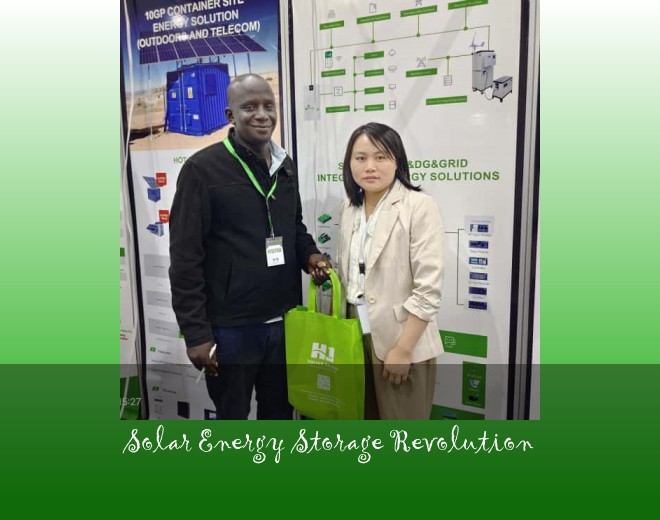
You know what's crazy? We've mastered harvesting sunlight, but storing that energy still keeps engineers up at night. Last month's Texas grid collapse during a heatwave proved we need better solar storage solutions - and fast. Traditional lead-acid batteries? They're sort of like using flip phones in the TikTok era.
 Inquiry
 Online Chat