


Solar Battery Storage: Powering Tomorrow
Table of Contents
Why Solar Storage Matters Now
Ever wondered why your neighbor’s solar panels sit idle during blackouts? The dirty secret of solar energy is its intermittent nature – sunlight isn’t always available. That’s where battery storage systems become crucial. With extreme weather events increasing by 38% since 2020 (NOAA data), homes and businesses need reliable backup power more than ever.
The Nuts and Bolts of Solar Batteries
Modern battery energy storage systems (BESS) work like high-tech piggy banks for electricity. During sunny hours, they store excess solar power instead of sending it back to the grid. At night or during outages, they discharge this stored energy through an inverter. The real magic happens in the battery management system (BMS), which acts as a digital guardian preventing overcharging and optimizing performance.
Key Components Demystified
- Battery cells: Lithium-ion units (like Tesla’s Powerwall) dominate 92% of new installations
- Power Conversion System (PCS): The multilingual translator between DC batteries and AC appliances
- Energy Management System (EMS): The brain making real-time decisions about energy flow
Picking Your Power Partner
Selecting a solar battery storage system isn’t one-size-fits-all. Let’s break down the critical factors:
Capacity vs. Power Output
Think of capacity as your battery’s gas tank size (measured in kWh), while power output determines how many appliances can run simultaneously (measured in kW). A typical home needs 10-15 kWh storage capacity, but your actual needs depend on:
- Daily energy consumption patterns
- Backup duration requirements
- Peak energy demand periods
Storage Wins in Action
California’s Self-Generation Incentive Program reveals compelling data – homes with solar-plus-storage systems reduced grid dependence by 78% compared to solar-only setups. Commercial applications show even greater impact:
| Application | Energy Savings | Payback Period |
|---|---|---|
| Retail Store | 62% | 4.2 years |
| Manufacturing Plant | 81% | 3.1 years |
What’s Next in Energy Storage
While lithium-ion dominates today, emerging technologies promise exciting developments. Solid-state batteries (like QuantumScape’s prototypes) could triple energy density by 2028. Flow batteries, particularly vanadium redox systems, are gaining traction for large-scale applications due to their 25,000-cycle lifespan.
“The next decade will see storage costs drop below $50/kWh – the magic threshold for mass adoption.” – Renewable Energy Analyst, Wood Mackenzie
As battery chemistries evolve, integration with smart grids and vehicle-to-home (V2H) technology will create self-healing energy networks. Imagine your EV not just transporting people, but actively balancing your home’s energy needs during peak hours.
Related Contents
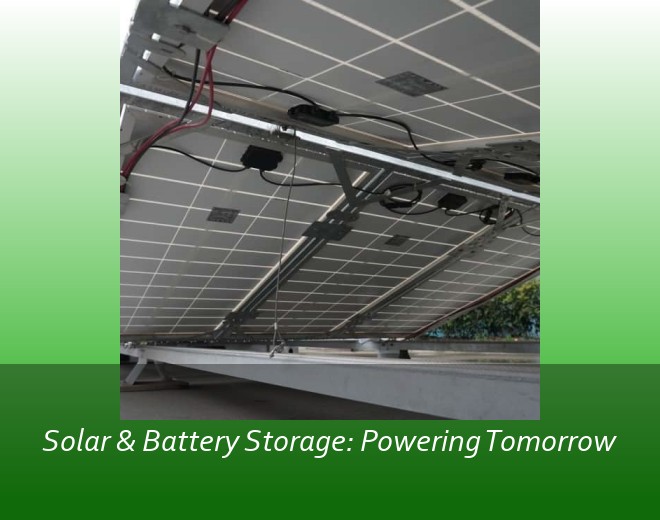
Solar & Battery Storage: Powering Tomorrow
Let's face it – our grandparents' energy grid isn't cutting it anymore. Last winter's Texas power outages left 4.5 million homes freezing, while Europe's energy bills skyrocketed by 70% in 2023 alone. Fossil fuels aren't just environmentally risky; they're becoming economically unstable too.
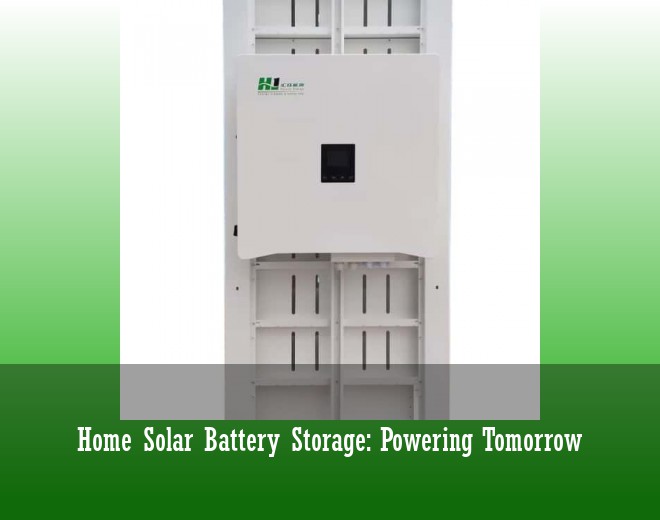
Home Solar Battery Storage: Powering Tomorrow
Last winter’s Texas grid failure left 4.5 million homes dark for days—but not the Johnson family in Austin. Their home solar system battery storage setup kept their medical equipment running while neighbors struggled. This isn’t just about backup power anymore; it’s energy independence in action.
Solar & Battery Storage: Powering Tomorrow
You know how people keep talking about photovoltaic storage like it's some futuristic concept? Well, here's the kicker – utilities are already scrambling to install massive battery farms faster than you can say "peak demand." Last month alone, North America added 1.2GW of storage capacity – that's equivalent to replacing three coal plants!
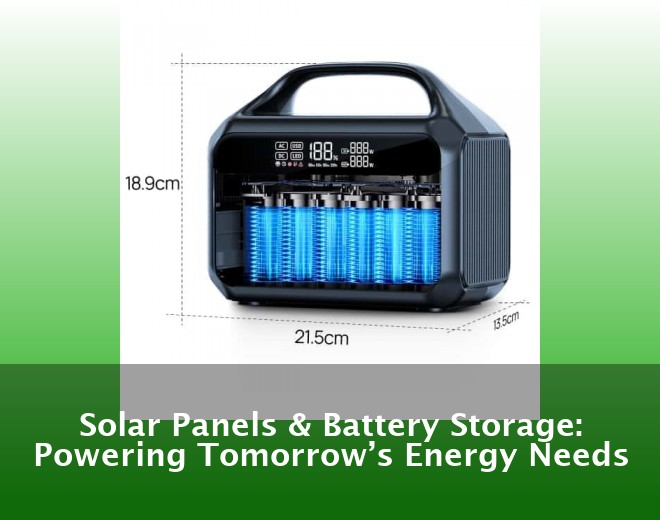
Solar Panels & Battery Storage: Powering Tomorrow’s Energy Needs
Let’s face it – solar panels have become the poster child for clean energy. But here’s the kicker: Germany’s 2023 energy reports show that solar-only systems waste up to 63% of generated power during peak production hours. Why? Because sunlight doesn’t follow our 9-to-5 schedules.
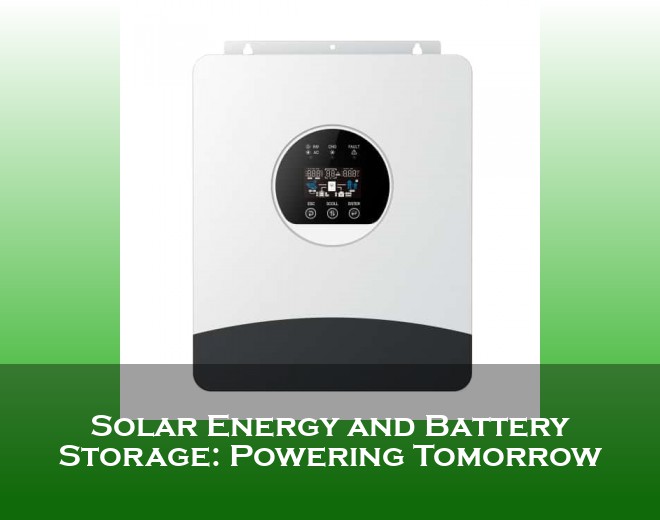
Solar Energy and Battery Storage: Powering Tomorrow
Did you know global energy demand surged 8% in 2024 alone? With coal plants closing faster than we can replace them, the urgency for renewable energy solutions has never been greater. Just last month, California experienced rolling blackouts during a heatwave – a stark reminder of our fragile grid.
 Inquiry
 Online Chat