


Solar Energy for Modern Homes

Table of Contents
Why Solar Now? The Energy Tipping Point
traditional electricity bills are becoming financial vampires for homeowners. With U.S. utility rates jumping 4.3% in 2023 alone (EIA data), residential solar isn't just eco-friendly - it's economic triage. But wait, isn't solar still too expensive? Actually, photovoltaic costs have plunged 82% since 2010, making rooftop systems surprisingly accessible.
Take the Johnson family in Austin. After installing 24 panels last spring, they've completely offset their $280/month cooling bills despite Texas' record heatwaves. Their secret sauce? Pairing solar with smart energy storage to avoid peak-rate grid dependence.
What Makes a Home Solar System Tick?
Modern residential setups aren't just panels on a roof. The real magic happens in the system integration:
- Photovoltaic modules (monocrystalline vs. polycrystalline)
- Inverters (traditional vs. microinverters)
- Monitoring systems
- Battery storage solutions
Here's where things get interesting. While panel efficiency grabs headlines (the latest perovskite cells hit 33.9% in lab tests), it's the balance of system components that determine real-world performance. Microinverters, for instance, can boost energy harvest by 25% in shaded areas compared to string inverters.
The Storage Revolution: Beyond Powerwalls
California's 2023 mandate for solar-plus-storage in new construction signals where the market's heading. Lithium-ion batteries still dominate, but alternatives are emerging:
| Technology | Energy Density | Cycle Life |
|---|---|---|
| LiFePO4 | 120-160 Wh/kg | 3,000-5,000 |
| Saltwater | 30-50 Wh/kg | 5,000+ |
| Flow Batteries | 15-25 Wh/kg | 10,000+ |
"But do I really need batteries?" you might ask. Consider this: Without storage, solar homes still export 40-60% of their generated power to the grid at wholesale rates, only to buy it back later at retail prices. Battery payback periods have shrunk from 10 years to 5-7 years in states with time-of-use pricing.
Breaking Down the Dollars and Sense
The sticker shock of solar installation (average $15,000-$25,000 post-credits) often deters homeowners. But let's crunch actual numbers:
"With current ITC credits and Massachusetts' SMART program, our clients are seeing 6-year payback periods," notes solar installer Maria Gonzalez. "That's better than most home renovations ROI."
Regional variations matter immensely. A 10kW system in sunny Arizona generates 16,000 kWh annually versus 12,000 kWh in cloudy Michigan. Yet even in northern climates, modern systems can cover 70-90% of energy needs when properly sized.
Installation Real Talk: What They Don't Tell You
Roof orientation matters, but not as much as you'd think. West-facing arrays in California actually outperform south-facing ones due to better alignment with peak rate periods. And about those pesky HOAs - 2023 legislation in 22 states now prohibits solar installation bans.
Consider the hidden value adds:
- Increased property values (Zillow estimates 4.1% premium)
- Hedge against fuel volatility
- Grid independence during outages
The Electric Future Starts at Home
As EV adoption accelerates (1 in 4 new cars will be electric by 2025), home solar becomes the ultimate fuel station. Pairing a 10kW system with a Level 2 charger can deliver 40 miles of range per sun hour. That's not just clean energy - it's freedom from gas price swings.
Looking ahead, bidirectional EV charging (vehicle-to-home) could turn electric cars into mobile power banks. Ford's F-150 Lightning already offers this feature, blurring the lines between transportation and home energy storage.
The bottom line? Residential solar has moved beyond environmental virtue signaling. It's now a cornerstone of modern energy resilience - what security systems are to home protection, solar-plus-storage is to power reliability. And with utilities increasingly adopting demand-charge models, producing your own electrons might soon become economic necessity rather than choice.
Related Contents
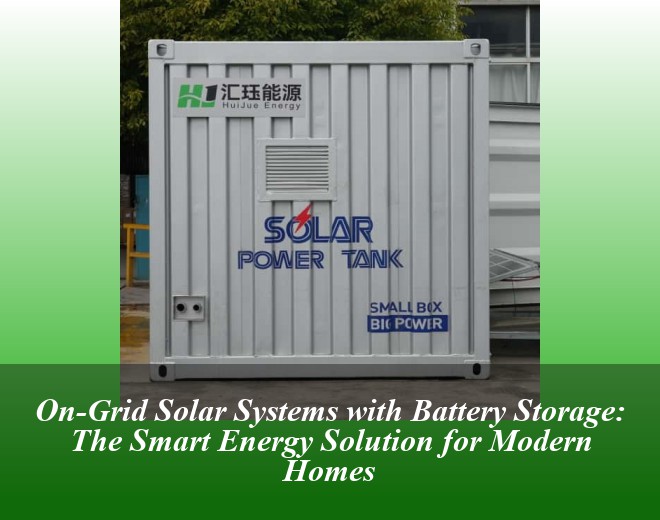
On-Grid Solar Systems with Battery Storage: The Smart Energy Solution for Modern Homes
Let's cut through the jargon: an on-grid system with batteries acts like a financial safety net for your energy needs. Imagine your regular grid-tied solar panels married to a battery bank that stores excess energy – that's essentially what this hybrid setup offers. While traditional grid-tied systems send surplus power back to the utility company, the battery component keeps your proverbial lights on during outages and price surges.
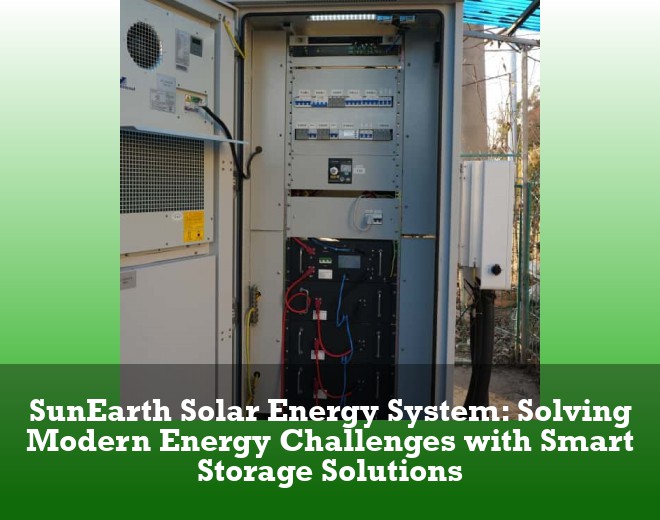
SunEarth Solar Energy System: Solving Modern Energy Challenges with Smart Storage Solutions
solar energy systems have become almost mainstream, but why aren't more households adopting them despite clear environmental benefits? The answer lies in three persistent pain points:

Harnessing Solar Energy and Battery Storage: Solving Modern Energy Challenges
our energy systems are broken. While the world added 295 GW of new solar capacity in 2023 alone , 675 million people still lack reliable electricity access. The solution isn't just generating more power, but storing it smarter. Solar energy production grew 24% in EU countries last year, but without adequate storage, we're literally letting sunlight go to waste.
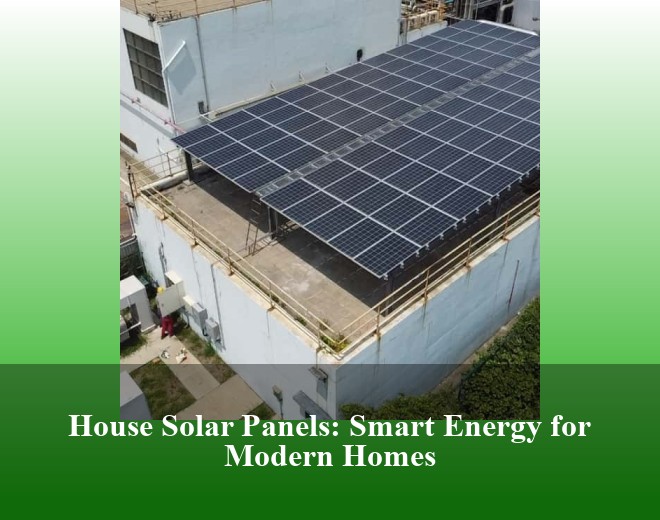
House Solar Panels: Smart Energy for Modern Homes
Last month, a Texas family received an electric bill showing $0.00 – not because of some promo deal, but thanks to their rooftop solar array. Across the U.S., residential solar installations jumped 34% in Q1 2025 compared to last year. What's driving this surge? Three pain points every homeowner recognizes:
Chloride Exide Solar Batteries 100Ah: Reliable Energy Storage for Modern Solar Systems
Ever wondered why some solar installations outperform others by 30-40% annually? The secret often lies in their energy storage backbone. As global solar capacity surges past 1.6 terawatts this year, the real challenge isn't generating power - it's storing it effectively when clouds roll in or the sun dips below the horizon.
 Inquiry
 Online Chat