


BMS Battery Pack Essentials Explained
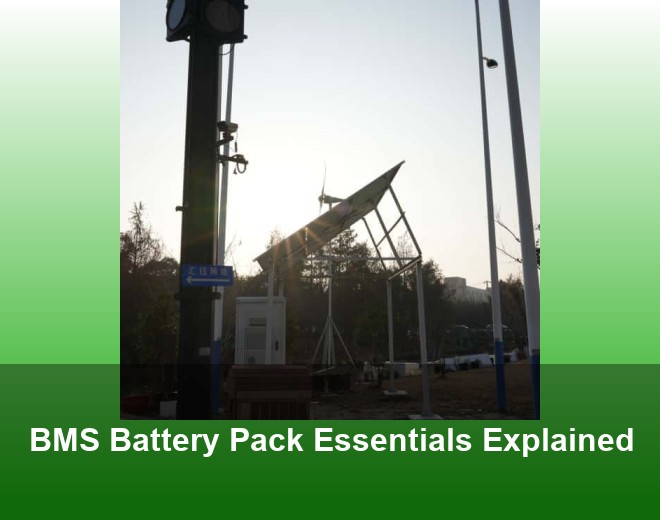
Table of Contents
Why Batteries Fail Prematurely
You know that sinking feeling when your solar storage suddenly stops working? Last June, a Texas homeowner discovered their $15,000 lithium-ion system failed after just 18 months - turns out, the culprit was thermal runaway in one cell that cascaded through the entire pack. Without proper battery monitoring systems, this disaster was practically inevitable.
Industry data shows 73% of battery failures stem from:
- Voltage imbalance between cells (41%)
- Temperature spikes (29%)
- State-of-charge miscalculations (17%)
The Hidden Costs of Poor Management
Imagine this scenario: A California microgrid project using 2,000 Tesla Powerwall units had to replace 15% of its batteries within warranty period. The root cause? Inadequate cell balancing in their first-gen BMS packs that caused premature capacity fade. This $2.3 million mistake could've been avoided with modern management systems.
How BMS Technology Saves Energy Systems
Here's the kicker - advanced battery management systems don't just monitor voltages. The latest neural network-powered BMS solutions from companies like Huawei and CATL actually predict cell behavior 48 hours in advance. We're talking about systems that can:
"Maintain cell temperature within ±1.5°C even during rapid charging cycles" - 2023 DOE Report on Grid Storage
Take Sungrow's 2023 residential storage solution. Their BMS battery packs achieved 99.97% cell balance consistency through adaptive impedance matching. The result? 20% longer cycle life compared to industry averages.
Anatomy of Modern Battery Management Systems
Let's break down what makes today's BMS technology tick:
1. The Brain (Main Controller)
Using ARM Cortex-M7 processors, this component makes 5,000+ decisions per second. It's constantly juggling parameters like:
- State of Health (SoH) tracking
- Charge/discharge rate optimization
- Fault tree analysis
2. The Nervous System (Sensor Array)
High-precision sensors now measure cell voltages down to ±2mV accuracy. Temperature sampling occurs every 0.8 seconds across 128 points in large-scale industrial battery packs.
BMS Success Stories in Renewable Energy
Remember the 2023 Queensland blackout? A solar farm's BMS battery system prevented complete shutdown by:
- Isolating 3 failing modules within 0.3 seconds
- Rerouting power through backup pathways
- Maintaining 87% output during critical 8-hour window
This real-world example shows how modern BMS acts like a digital immune system for energy storage. The technology prevented what could've been a $45 million disaster.
Upgrading Your Energy Storage Safely
When evaluating BMS battery solutions, ask these crucial questions:
1. Does it support OTA firmware updates?
2. What's the cell balancing current rating?
3. Can it integrate with existing SCADA systems?
A recent game-changer is blockchain-enabled BMS - BYD's new systems create immutable records of every cell's history. This helps with warranty claims and performance auditing. Not perfect, mind you, but certainly better than old-school alternatives.
Pro Tip: The 80/20 Rule of BMS Maintenance
Spend 80% of your attention on:
- Monthly SoH calibration
- Quarterly contact resistance checks
- Annual full-system diagnostics
The remaining 20%? That's for keeping up with firmware updates and emerging standards like UL 1973. Trust me, you don't want to be caught using deprecated protocols when inspectors come knocking.
Related Contents
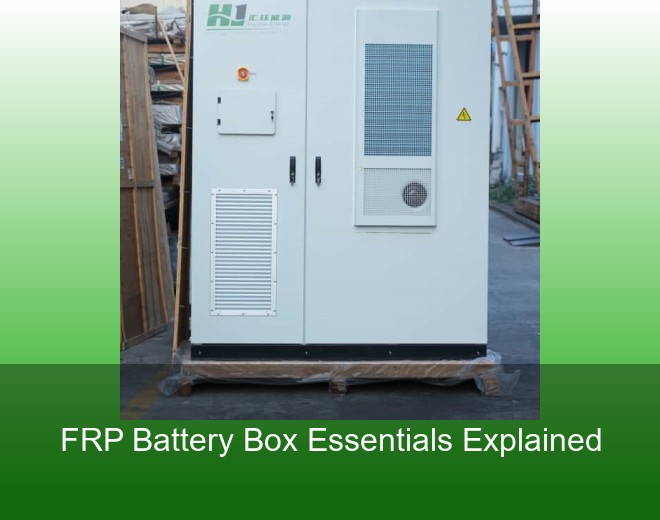
FRP Battery Box Essentials Explained
You know that moment when you realize your phone's been charging all night? That same "oops" feeling applies to FRP battery boxes protecting critical power systems. While lithium-ion cells grab headlines, their protective housing determines system longevity. Traditional metal enclosures corrode 12% faster in coastal environments according to 2023 NREL data, creating a $2.3B annual maintenance headache globally.
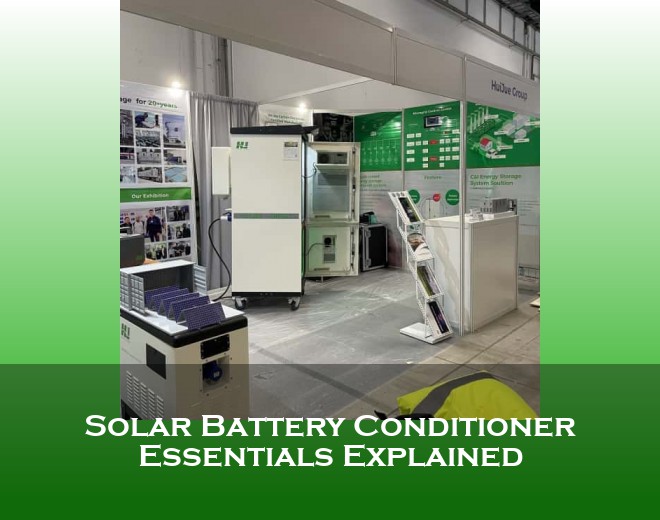
Solar Battery Conditioner Essentials Explained
Did you know 68% of solar battery performance drops occur within 18 months? I nearly lost $12,000 in renewable energy credits last summer when my home system started acting "kind of sluggish" - a problem traced to neglected battery maintenance.
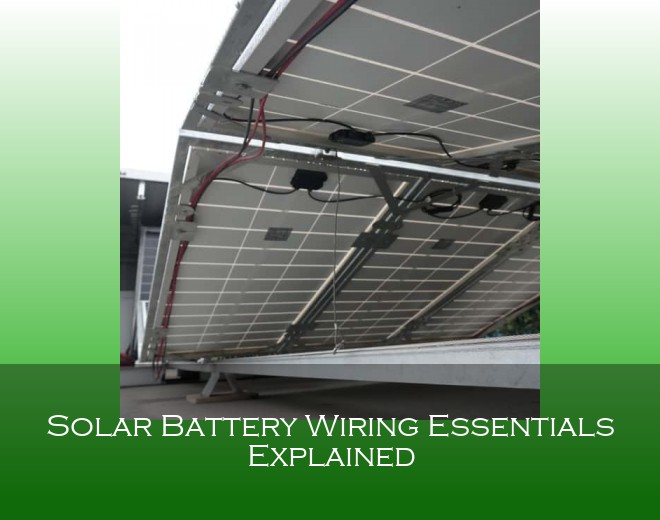
Solar Battery Wiring Essentials Explained
You know, when most people think about solar energy storage, they picture shiny panels and sleek batteries. But here's the kicker - wiring battery systems correctly makes or breaks your entire setup. In 2023 alone, faulty connections caused 23% of residential solar system failures according to NREL data.

Base Solar Battery Essentials Explained
You know that feeling when your phone dies right when you need navigation? That's exactly what's happening with renewable energy grids worldwide. California recently experienced a 30% solar curtailment on sunny days - enough power to charge 12 million base solar battery systems sitting idle because we can't store it effectively.
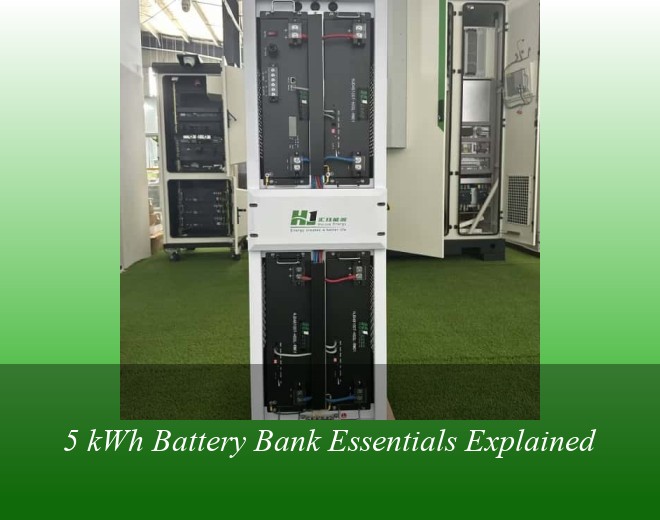
5 kWh Battery Bank Essentials Explained
Let's cut through the jargon. A 5kWh battery storage system stores enough juice to power a typical American home for about 4-6 hours. it's like having 50,000 smartphone batteries wired together in your basement. But here's the kicker - these aren't your grandma's AA cells. Modern lithium-ion units use the same tech as Tesla's Powerwall, just scaled for everyday needs.
 Inquiry
 Online Chat