


How Battery Storage Systems Power Renewable Futures
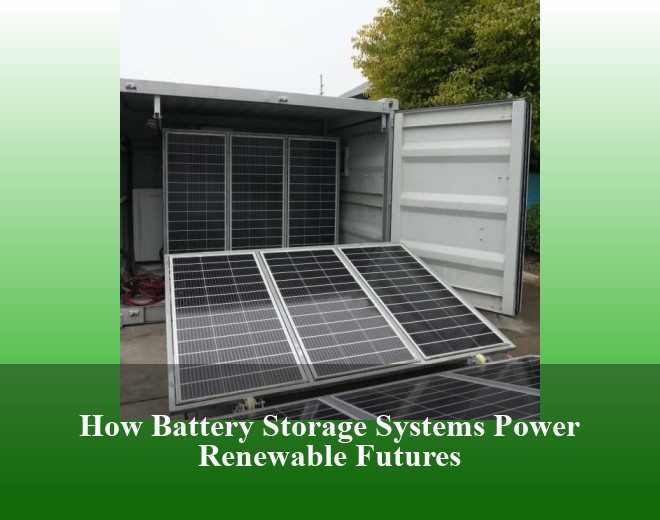
Table of Contents
Why Solar Needs Storage Allies
We've all seen solar panels glittering on rooftops and wind turbines slicing through skies. But here's the kicker: how do we store sunlight for a rainy day? That's where battery energy storage systems (BESS) come charging in—literally. These unsung heroes bridge the gap between green energy production and 24/7 reliability.
Take California's recent grid emergency. When a heatwave spiked demand last August, utility-scale BESS installations discharged 2,500 MWh during peak hours—enough to power 180,000 homes. Without this buffer, rolling blackouts would've hit 3 million residents. Now that's what I call a game-changer.
What Makes BESS Tick?
Let's peel back the layers of these technological onions. A modern BESS isn't just a giant Duracell—it's a symphony of components:
- Battery racks (the muscle)
- Power Conversion Systems (PCS, the translators)
- Energy Management Systems (EMS, the brain)
You know what's fascinating? The BMS (Battery Management System) acts like a hyper-vigilant babysitter. It monitors each cell's temperature, voltage, and health 500 times per second. When I first saw this in action at a Tesla Megapack site, it felt like watching a pit crew at the Indy 500—except it's all automated.
Storage in Action: From California to Bulgaria
Remember that Bulgarian project with Hithium and Solarpro? Their 55 MWh installation near Razlog isn't just storing electrons—it's storing economic hope. By pairing solar farms with BESS, they're turning intermittent sunshine into stable jobs for a region still healing from coal industry closures.
Stateside, Sumitomo's Massachusetts community solar initiative shows how BESS democratizes energy access. Their battery-backed systems let apartment dwellers and small businesses buy solar power without rooftop panels. It's like Netflix for clean energy—you pay monthly, no hardware required.
Rewiring Energy Infrastructure
Traditional grids wobble under >30% renewable penetration. But South Australia's grid? It hit 70% solar/wind last year thanks to strategic BESS deployments. Their secret sauce: using batteries as "shock absorbers" during cloud cover or wind lulls.
Here's a head-scratcher: Why aren't we seeing more DC-coupled systems? They skip the AC conversion dance, boosting efficiency by 4-6%. When I toured a DC-optimized site in Arizona, their round-trip efficiency hit 94%—that's smartphone charger territory for industrial-scale storage.
The real magic happens at the grid edge. Take Hawaii's "postcard from the future"—Oahu's 185 MW BESS installation smooths out solar noon surges better than any peaker plant. During last month's grid stress test, it responded 12x faster than natural gas turbines. Old-school engineers are still picking their jaws off the floor.
Looking ahead, the BESS revolution isn't about bigger batteries—it's about smarter integration. When storage starts talking directly with EV chargers and smart meters, that's when we'll see the true power of distributed energy networks. The future's bright, but it needs the right storage containers.
Related Contents
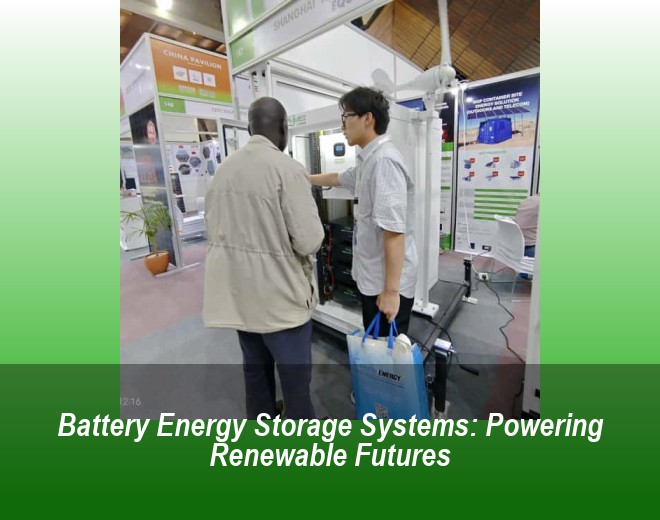
Battery Energy Storage Systems: Powering Renewable Futures
our grids weren't built for solar panels and wind turbines. As renewables hit 30% global electricity share in 2024, utilities are scrambling to manage what I call the "sunset paradox". When solar production plummets at dusk but Netflix-binging energy demand spikes, traditional infrastructure buckles. Enter Battery Energy Storage Systems (BESS), the shock absorbers for our clean energy transition.
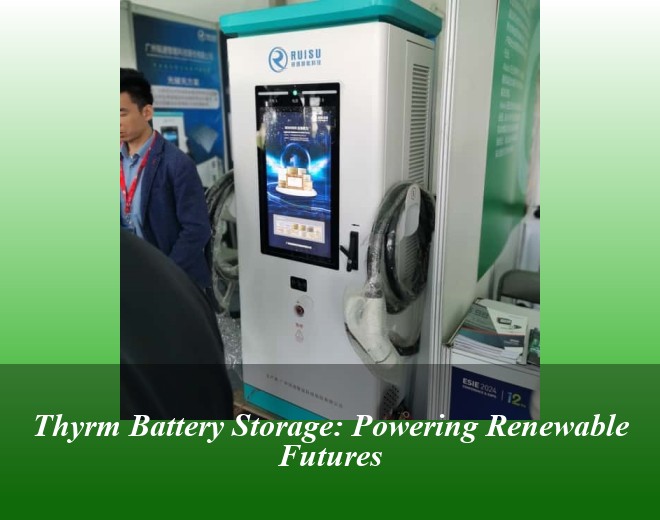
Thyrm Battery Storage: Powering Renewable Futures
You know that feeling when your phone dies during a storm warning? Now imagine that at grid scale. Renewable energy generation grew 12% globally in 2023, yet energy storage capacity still lags 4 years behind. The International Renewable Energy Agency (IRENA) estimates we'll need 9,000 GWh of storage by 2040 to meet climate targets - that's like building 450,000 Tesla Megapacks.
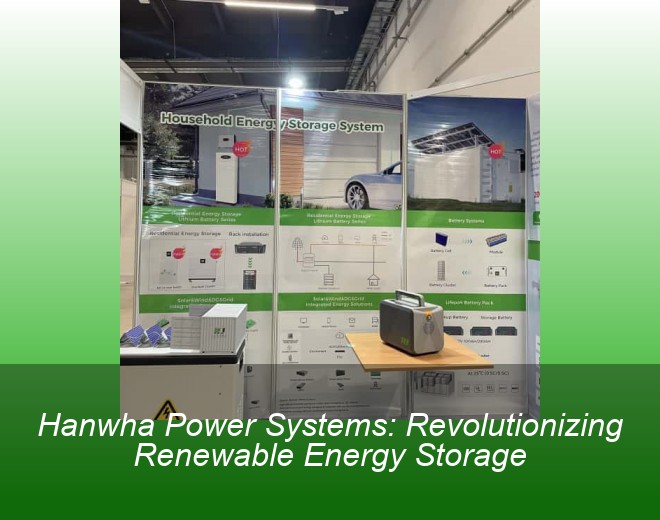
Hanwha Power Systems: Revolutionizing Renewable Energy Storage
Why does our transition to renewable energy keep hitting the same wall? You know, it's not about generating clean power anymore – we've sort of cracked that part. The real headache comes when the sun sets or the wind stops, right? Enter Hanwha Power Systems, who've been quietly rewriting the rules of energy storage.
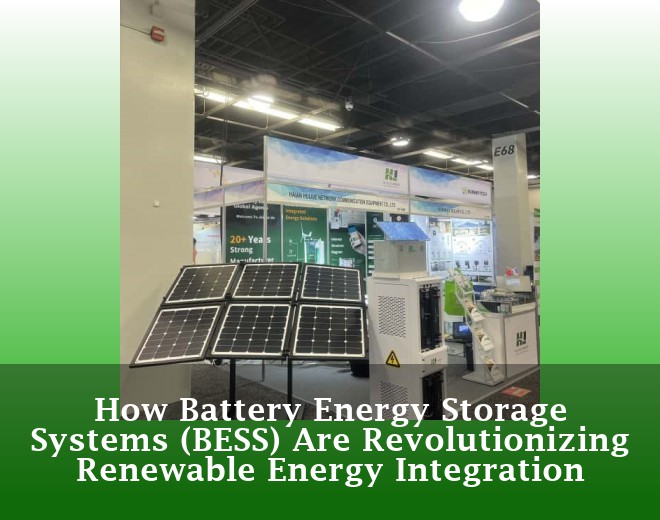
How Battery Energy Storage Systems (BESS) Are Revolutionizing Renewable Energy Integration
Let's face it—the sun doesn't always shine, and the wind stops blowing when we need power most. This fundamental mismatch between renewable energy generation and consumption patterns creates what industry experts call the intermittency challenge. In California alone, grid operators reported 154 hours of renewable energy curtailment in 2023, essentially throwing away enough clean power to light up 200,000 homes for a day.
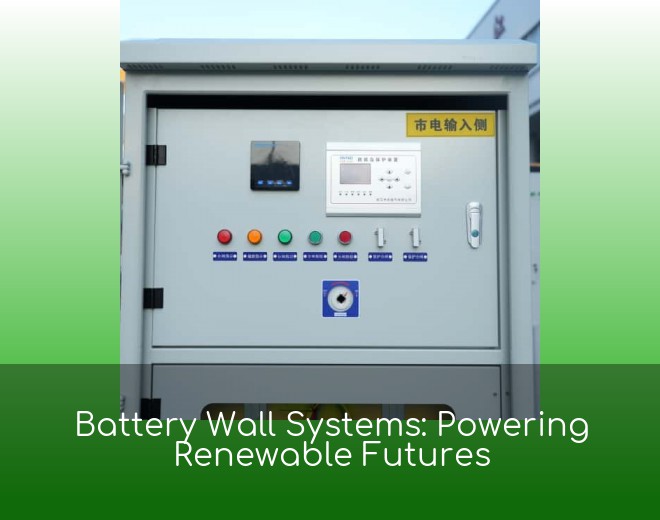
Battery Wall Systems: Powering Renewable Futures
You know those perfect solar days when panels generate more power than needed? Battery wall systems turn that surplus into nighttime electricity gold. But here's the million-dollar question: how do we store this energy efficiently when the sun isn't shining?
 Inquiry
 Online Chat