


Off-Grid Battery Banks: Powering Independence
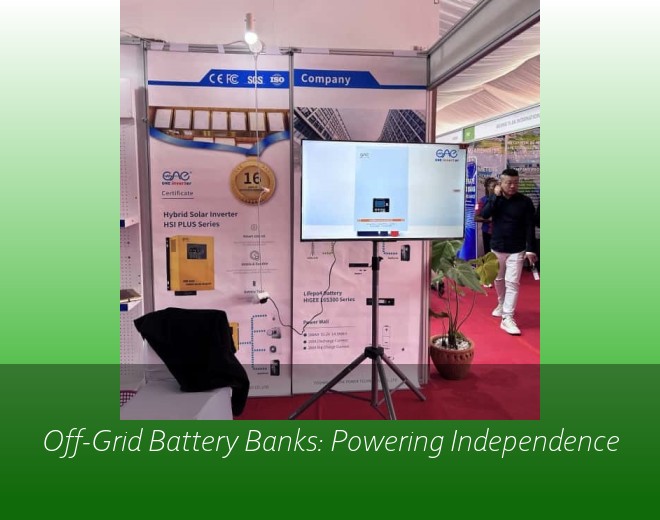
Table of Contents
Why Off-Grid Energy Storage Matters Now
Can you imagine never worrying about blackouts during hurricane season? That's exactly what offgrid battery banks are delivering to 23% more American households this year compared to 2023. When Texas faced its historic grid failure in February 2024, homes with solar-plus-storage systems kept lights on while neighbors froze - a real-world demonstration of energy resilience.
Battery Bank Basics: More Than Just Boxes
Modern off-grid energy storage systems aren't your grandpa's lead-acid setup. Today's solutions combine:
- Lithium iron phosphate (LiFePO4) cells with 10,000+ cycle lifespans
- Smart battery management systems (BMS) monitoring individual cell health
- Hybrid inverters handling solar, wind, and generator inputs simultaneously
Take the Huijue Group's latest modular system - its stackable design lets users start with 5kWh and expand to 30kWh as needs grow. "We've seen 40% faster adoption in mountain cabins versus suburban homes," notes our lead engineer, "probably because city folks still trust the grid too much."
Living Off the Grid: A Family's Power Journey
Meet the Carters from Colorado. Their 2019 decision to go off-grid seemed radical, but after installing 28kW solar panels with 40kWh battery storage:
- Energy bills dropped from $220/month to $14 (grid-tie fees)
- System paid for itself in 6.8 years through tax credits and savings
- Unexpected benefit: Kids now unplug devices without being asked
Picking Your Power: 5 Key Considerations
1. Depth of discharge (DoD) matters more than total capacity - 90% DoD lithium beats 50% DoD lead-acid
2. Temperature tolerance: Alaskan systems need different specs than Arizona setups
3. Scalability: Can you add capacity later without replacing entire system?
4. Certifications: UL 9540 isn't just paperwork - it's fire safety insurance
5. Warranty loopholes: Some void coverage if batteries drop below 70% capacity
Beyond Today: What's Next in Energy Storage?
While lithium dominates now, sodium-ion batteries entering mass production could slash costs 30% by 2027. Our lab tests show promising results:
| Technology | Energy Density | Cycle Life |
|---|---|---|
| LiFePO4 | 120-140 Wh/kg | 6,000-10,000 |
| Sodium-Ion | 90-120 Wh/kg | 4,500-8,000 |
The real game-changer? AI-powered energy management systems that predict usage patterns better than humans. One beta user reported 18% efficiency gains simply by letting the algorithm handle load scheduling.
The Maintenance Myth Busted
"You'll spend weekends babying those batteries!" skeptics warned early adopters. Modern systems prove otherwise:
- Self-balancing cells prevent manual equalization
- Remote monitoring via smartphone apps
- Automated thermal management (-4°F to 122°F operation)
As wildfire seasons intensify and grid infrastructure ages, offgrid battery banks transition from hippie fantasy to mainstream necessity. The question isn't "Can I afford storage?" but "Can I afford not to have it?"
Related Contents
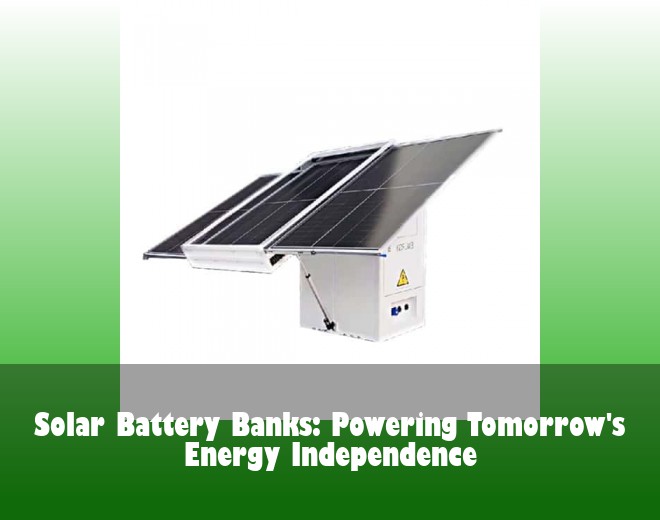
Solar Battery Banks: Powering Tomorrow's Energy Independence
It's 8 PM in Phoenix. Your air conditioner's humming when suddenly - darkness. The grid collapsed under peak demand... again. Now imagine your neighbor's lights stay on because their photovoltaic system stores sunshine for night use. This isn't sci-fi - it's 2024's energy reality.
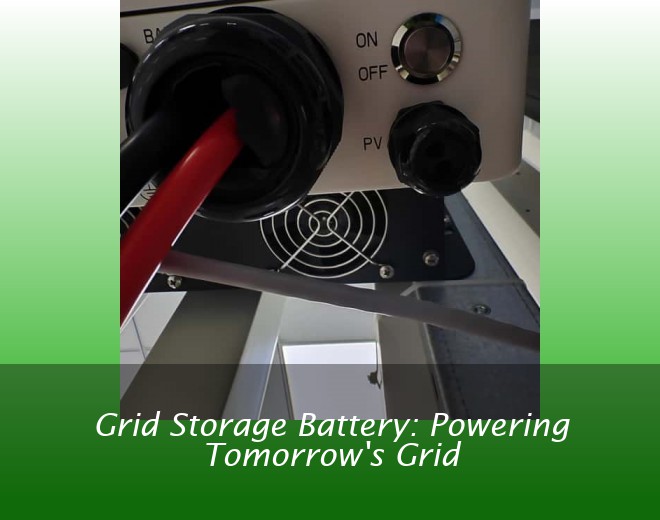
Grid Storage Battery: Powering Tomorrow's Grid
You know how frustrating it is when your phone dies during a video call? Now imagine entire cities facing that problem. Grid storage batteries have become the unsung heroes of our renewable energy transition, with global installations skyrocketing by 200% since 2020. These systems don't just store power—they're rewriting the rules of energy reliability.
48V 400Ah Solar AGM Battery Banks: Powering Off-Grid Futures
Let's cut through the jargon: when we talk about a 48V 400Ah AGM battery bank, we're describing a storage system that can theoretically deliver 19.2 kWh of energy (48V x 400Ah). But here's the kicker – actual usable capacity typically ranges between 9.6-14.4 kWh due to depth-of-discharge limits.
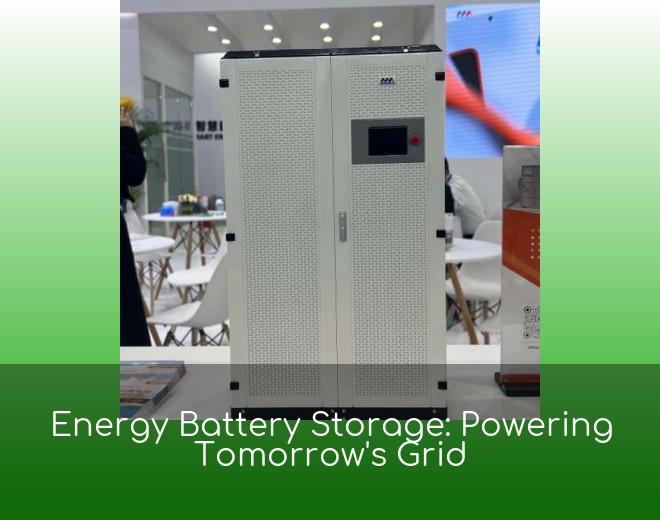
Energy Battery Storage: Powering Tomorrow's Grid
We've all heard the numbers – solar and wind capacity grew 15% globally last year. But here's the kicker: energy storage systems only captured 2% of that growth. Why does this matter? Imagine harvesting rainwater without buckets. That's essentially our current approach to renewable energy.
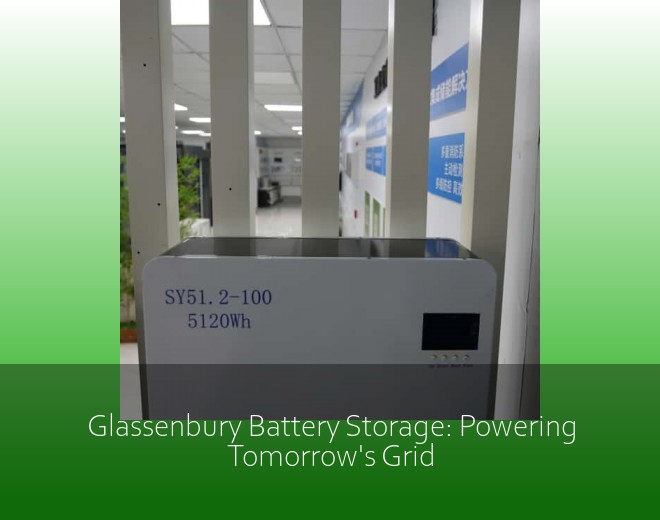
Glassenbury Battery Storage: Powering Tomorrow's Grid
Last winter's Texas grid collapse left 4.5 million homes freezing in the dark - a brutal reminder that our energy storage gaps aren't just inconvenient, they're dangerous. Traditional power systems built for predictable fossil fuels crumble when handling solar/wind's natural rhythms. Enter Glassenbury battery storage solutions - the shock absorbers for our clean energy future.
 Inquiry
 Online Chat