


Solving Renewable Energy's Storage Crisis
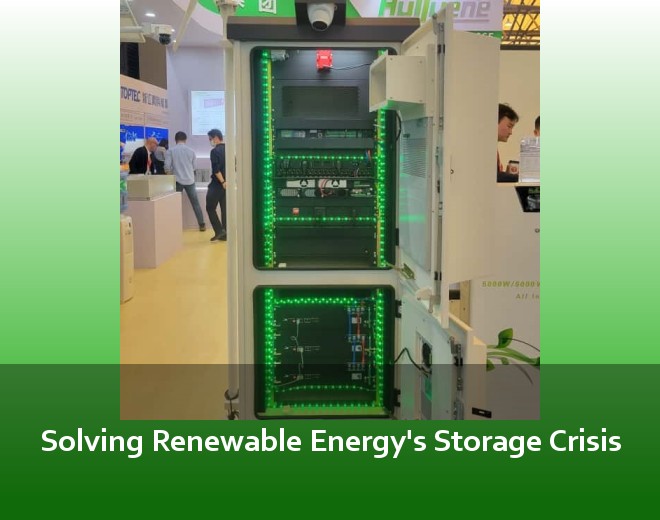
Table of Contents
The 800-Pound Gorilla in Renewable Energy
our renewable energy transition has a dirty little secret. Solar panels go dormant at night. Wind turbines freeze when air stagnates. What happens to your Tesla Powerwall when clouds roll in for a week? We've all seen the headlines about California's "duck curve" and Texas' grid near-collapses during heatwaves. The truth is, without proper storage, our green energy dreams could become a logistical nightmare.
Here's the kicker: The U.S. lost an estimated 3.6 TWh of renewable energy in 2024 due to inadequate storage - enough to power 300,000 homes annually. But wait, didn't we solve this with lithium-ion batteries? Well... sort of. Current battery systems still struggle with three key issues:
- Uneven energy flow between clusters
- Thermal runaway risks
- Scalability costs
Clustered Systems: Game Changer or Temporary Fix?
Enter the clustered architecture revolution. Imagine each battery cluster operating like an independent power plant within your storage system. That's exactly what Huawei's latest 215kW modular units achieve, reducing parallel losses to under 0.5% in field tests.
But here's where it gets interesting. During last month's Japan Energy Summit, engineers demonstrated how clustered systems can isolate thermal events to single modules. You know those viral videos of EV battery fires? This technology could make them historical footnotes.
The Math Behind the Magic
Let's crunch numbers from China's 200MWh demonstration project:
| System Efficiency | 92.4% |
| Cycle Life | 6,200 cycles |
| LCOS Reduction | $0.18/kWh |
Liquid Cooling's Quiet Takeover
Remember when data centers switched from fans to liquid cooling? The energy storage world is undergoing a similar transformation. Liquid-cooled systems now dominate 68% of new utility-scale installations globally, and for good reason:
- 40% smaller footprint vs air-cooled units
- 5°C temperature differential across battery racks
- 2.3x faster heat dissipation
Take Shanghai's recent deployment of PowerBlock 2.0 systems. Their AI-driven thermal management maintained optimal operating temperatures during July's record heatwave, while traditional systems throttled output by 18%.
When Theory Meets Dusty Fields
A solar farm in Arizona's Sonoran Desert. Dust storms regularly coat equipment in fine silica particles. Standard battery cabinets? They'd be choking within weeks. But with IP67-rated clustered systems, operators report 99.2% uptime even during haboob season.
Or consider Thailand's floating solar projects. Humidity used to be the silent killer of electrical components. Now, hermetically sealed liquid-cooled units are powering entire villages on reservoir surfaces - sort of like aquatic power plants that don't mind getting wet.
The Human Factor in Storage Wars
We can't ignore the skilled labor shortage. Installing these advanced systems requires technicians who understand both electrochemistry and HVAC principles. Vocational schools from Munich to Mumbai are racing to develop certification programs, but industry estimates suggest a 45,000-worker deficit by 2026.
Yet there's hope. Last month, a solar cooperative in Kenya trained local farmers to maintain community battery systems using AR troubleshooting guides. Their secret sauce? Turning complex thermal diagrams into 3D animations resembling popular mobile games.
Battery Chemistry's Third Act
While lithium-ion still dominates, alternative chemistries are making waves:
- Vanadium flow batteries for long-duration storage
- Sodium-ion for cold climate performance
- Graphene-enhanced lead-carbon hybrids
During the 2025 Guangzhou Expo, visitors marveled at a prototype zinc-air battery lasting 120 hours on single charge - perfect for off-grid clinics. But will these lab darlings survive commercial scaling? That's the billion-dollar question.
The Maintenance Paradox
Advanced systems create new operational challenges. A recent study found that liquid-cooled units require 35% less routine maintenance but demand specialized technicians when repairs are needed. It's the energy equivalent of owning a modern German car - runs beautifully until it doesn't.
Storage as Climate Change Insurance
With extreme weather becoming the new normal, storage systems double as climate resilience tools. After Hurricane Laura demolished Louisiana's grid in 2024, solar+storage microgrids kept hospitals operational for 72 critical hours. The kicker? These systems paid for themselves in avoided downtime during the first major outage.
Insurance companies are taking notice. Some now offer 15% premium discounts for businesses using certified storage systems - a financial incentive that's driving adoption faster than any government mandate.
The Road Ahead: Three Critical Developments
1. Second-life EV batteries entering storage markets
2. AI-driven predictive maintenance becoming standard
3. New fire suppression systems using phase-change materials
As we navigate these changes, one thing's clear: The energy storage revolution isn't coming - it's already here. And for those willing to embrace its complexities, the rewards could power generations to come.
Related Contents
Lancey Energy Storage: Solving the Renewable Energy Dilemma
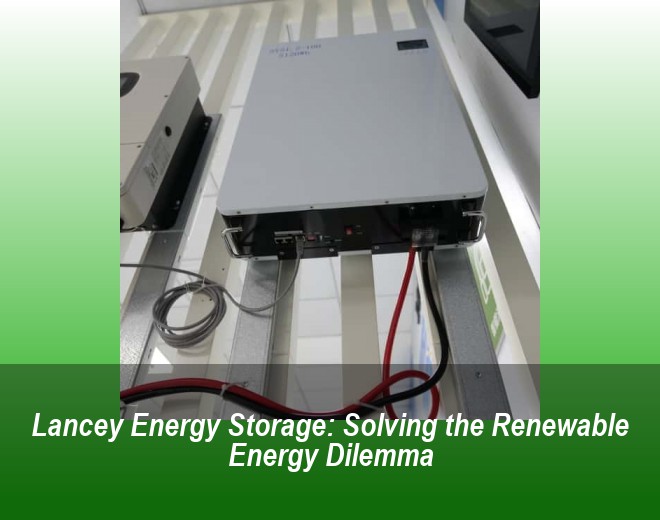
You know how they say renewable energy is intermittent? Well, that's only half the story. The real bottleneck isn't the sun hiding behind clouds - it's our inability to bank sunshine for rainy days. Enter battery storage solutions like Lancey's thermal-regulated lithium-ion systems, which have quietly become the Swiss Army knives of modern power grids.
Renewable Energy Storage: Solving the Intermittency Crisis
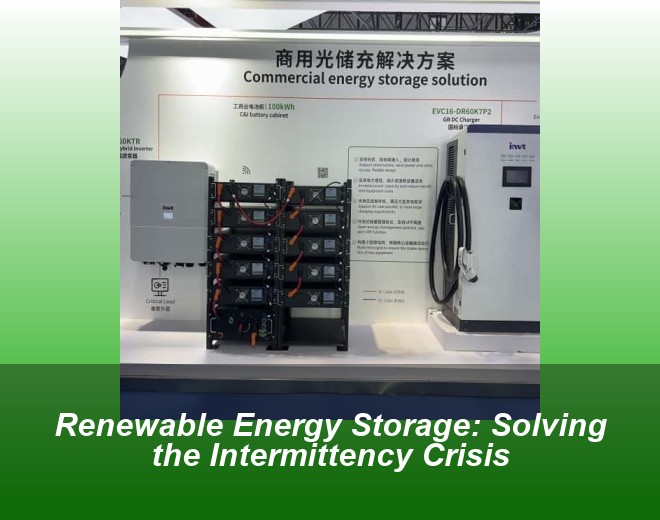
You know that feeling when clouds suddenly cover your solar panels? Or when wind turbines stand still for days? That's the energy crunch nobody wants to talk about. In 2024 alone, California curtailed 2.3 TWh of renewable energy - enough to power 270,000 homes for a year.
Solving Renewable Energy's Storage Crisis
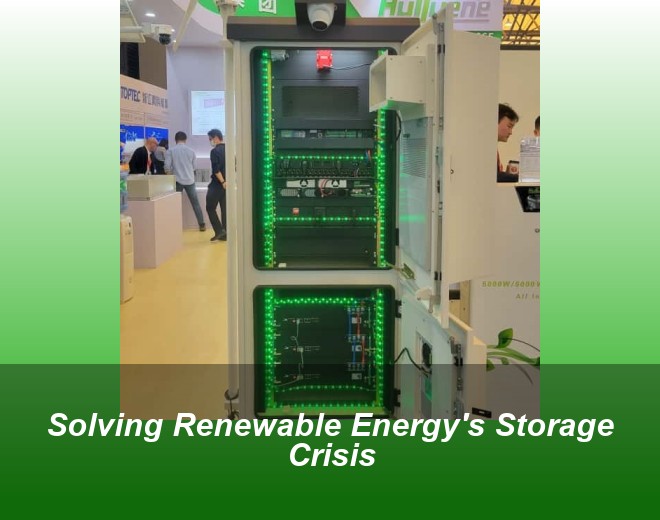
our renewable energy transition has a dirty little secret. Solar panels go dormant at night. Wind turbines freeze when air stagnates. What happens to your Tesla Powerwall when clouds roll in for a week? We've all seen the headlines about California's "duck curve" and Texas' grid near-collapses during heatwaves. The truth is, without proper storage, our green energy dreams could become a logistical nightmare.
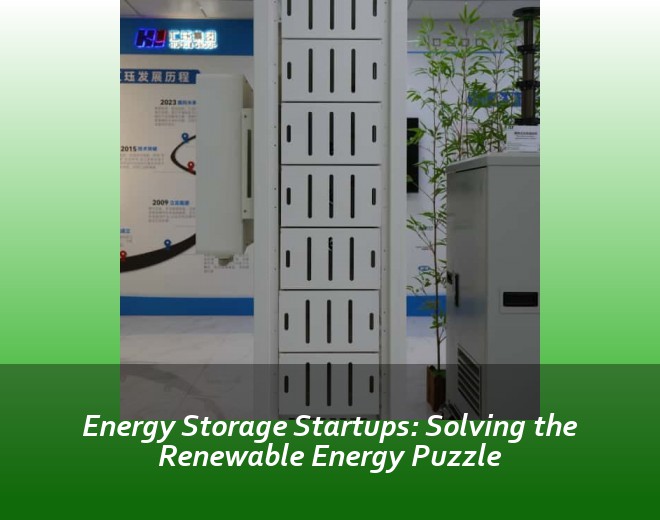
Energy Storage Startups: Solving the Renewable Energy Puzzle
Here's a hard truth: Solar panels go dark at night, and wind turbines freeze when the air stops moving. This intermittency problem causes enough wasted renewable energy annually to power Germany for 6 months*. Traditional grids weren't built for this feast-or-famine reality – they're crumbling under 21st-century demands.
Solving Renewable Energy's Storage Crisis
Ever tried powering your home exclusively with solar panels on a rainy week? That sinking feeling when your renewable energy system can't deliver? You're not alone. The global renewable sector faces a $2.1 trillion storage gap by 2030 according to BloombergNEF's latest figures.
 Inquiry
 Online Chat