


Solar Battery Storage in Malaysia: Powering Tomorrow
Table of Contents
Why Malaysia Needs Solar Battery Storage Now
A family in Sabah loses power during monsoon season – again. Meanwhile, surplus solar energy gets wasted in Johor because there's nowhere to store it. Solar battery storage could solve both problems, but why hasn't Malaysia fully embraced this technology yet?
The answer lies in three stubborn realities:
- Fossil fuels still supply 85% of Malaysia's electricity
- Grid infrastructure struggles with renewable integration
- Peak demand often outpaces supply during heatwaves
Government Sparks: NEM 3.0 & Green Incentives
Here's where things get interesting. The Malaysian government recently launched Net Energy Metering 3.0 , allowing solar system owners to sell excess power back to the grid. But wait, there's a catch – without storage, you can't time-shift energy production to match premium tariff periods.
Key policy drivers include:
- Smart Automation Grant (SAG) covering 50% of automation costs
- Green Investment Tax Allowance (GITA) for storage projects
- Target of 31% renewable energy mix by 2025
From Lithium-Ion to Flow Batteries
Let's cut through the jargon. Most Malaysian installations currently use lithium-ion batteries – the same tech in your smartphone. But new players like vanadium flow batteries are entering the market, offering longer lifespan (20+ years vs. 10 years) despite higher upfront costs.
Battery Type Comparison
| Type | Cycle Life | Efficiency | Cost (RM/kWh) |
|---|---|---|---|
| Lead-Acid | 500 cycles | 80% | 400 |
| Lithium-Ion | 3,000 cycles | 95% | 1,200 |
| Flow Battery | 15,000 cycles | 75% | 2,500 |
Solar & Storage Live Malaysia 2025 Preview
Mark your calendars for April 9-10 at MITEC Kuala Lumpur. This flagship event will showcase:
- Hybrid inverters with AI-powered energy management
- Modular battery systems for high-rise buildings
- Blockchain-enabled peer-to-peer energy trading
Smart Energy Systems Taking Shape
Tenaga Nasional Berhad (TNB) is piloting virtual power plants that aggregate home battery systems. Imagine 10,000 household batteries providing grid stability during major events – like an energy version of ride-sharing apps.
The road ahead isn't without potholes. Battery recycling infrastructure remains underdeveloped, and skilled installers are in short supply. But with solar panel costs dropping 60% since 2010 and storage prices following suit, the economic equation keeps improving.
So, is Malaysia ready to become Southeast Asia's solar storage hub? The pieces are falling into place – ambitious policies, maturing technologies, and growing public awareness. What's still missing? Perhaps just that final push to transition from pilot projects to nationwide implementation.
Related Contents
Solar Energy and Battery Storage: Powering Tomorrow
Did you know global energy demand surged 8% in 2024 alone? With coal plants closing faster than we can replace them, the urgency for renewable energy solutions has never been greater. Just last month, California experienced rolling blackouts during a heatwave – a stark reminder of our fragile grid.
Solar System Battery Storage: Powering Tomorrow's Energy
Ever wondered why your neighbor's solar panels stop powering their home at night? The answer lies in solar system battery usage - the missing link in renewable energy adoption. While solar panels generate clean energy during daylight, they can't address the duck curve problem where demand peaks at dusk when sunlight fades. This is where battery storage systems become crucial energy shifters.
Solar Battery Storage: Powering Tomorrow
You’ve got solar panels, right? They’re fantastic when the sun’s out—but what happens at night or during grid failures? Solar battery storage bridges that gap, turning intermittent sunlight into 24/7 power. In 2023 alone, residential solar+storage installations jumped 35% globally, driven by blackout fears and rising electricity costs.
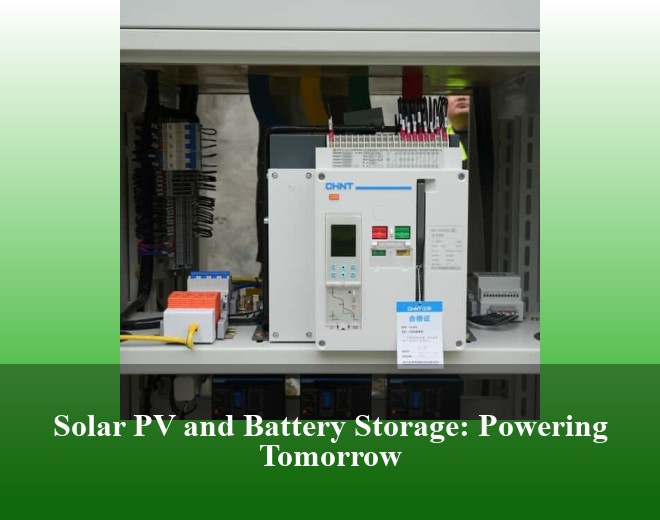
Solar PV and Battery Storage: Powering Tomorrow
Let's face it – solar PV panels are popping up faster than coffee shops, but here's the kicker: What happens when the sun clocks out? In 2024 alone, global solar capacity grew by 38% year-over-year , yet blackouts still plague regions from Kabul to California. The dirty little secret? We've been treating storage like an afterthought.
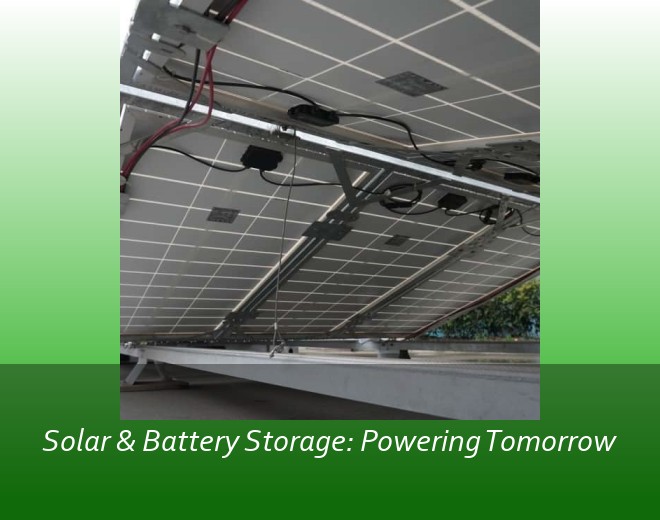
Solar & Battery Storage: Powering Tomorrow
Let's face it – our grandparents' energy grid isn't cutting it anymore. Last winter's Texas power outages left 4.5 million homes freezing, while Europe's energy bills skyrocketed by 70% in 2023 alone. Fossil fuels aren't just environmentally risky; they're becoming economically unstable too.
 Inquiry
 Online Chat