


Solar Power Costs in Sri Lanka
Table of Contents
Energy Crisis Meets Solar Solutions
You've probably felt it - those endless power cuts during last year's dry season. Sri Lanka's energy crunch isn't just annoying, it's expensive. The Ceylon Electricity Board hiked tariffs by 75% in 2022 alone. But here's the kicker: solar panel prices dropped 40% during the same period. Talk about perfect timing!
Let me paint you a picture. The Wijewardena family in Gampaha installed a 5kW system last June. Their electricity bill? Slashed from LKR 18,000/month to LKR 2,500. "It's like getting a 13th month salary," Mrs. Wijewardena told me. Now, why aren't more people doing this? Well, there's some confusion about upfront costs...
What's Driving Solar Price Sri Lanka Trends?
Three factors are reshaping the market:
- Chinese module oversupply (prices at $0.15/Watt!)
- New Indian inverters undercutting European brands
- Local installers adopting leaner operations
But wait - there's a catch. The best solar deals often exclude crucial components like lightning protection. A colleague nearly lost his entire system during April's thunderstorms. "Saved LKR 50k on installation, spent LKR 200k on repairs," he grimaced. Lesson learned?
| System Size | 2021 Price (LKR) | 2023 Price (LKR) |
|---|---|---|
| 3kW | 750,000 | 525,000 |
| 5kW | 1,200,000 | 840,000 |
| 10kW | 2,500,000 | 1,650,000 |
The Real Cost of Going Solar
Let's break down a typical 5kW residential setup:
- Panels: 40% of total cost
- Inverter: 25%
- Batteries (optional): 30%
- Installation: 5%
But here's where it gets interesting - new financing models are emerging. Seylan Bank's solar loan program offers 7-year terms with EMI matching average electricity bills. Essentially, you're swapping CEB payments for loan installments that actually stop after 84 months.
Government Schemes Changing the Game
The "Soorya Bala Sangramaya" initiative isn't perfect, but it's making waves. Their net metering program now covers commercial users up to 1MW. A Kandy hotel owner showed me his setup - 472 panels powering AC units that used to guzzle LKR 1.2 million monthly in diesel. "Break-even in 3.2 years," he grinned. Not bad, eh?
"Solar isn't a luxury anymore - it's damage control for our economy."
- Energy Ministry Spokesperson, June 2023
How to Get Maximum Bang for Your Rupee
First rule: Don't fixate on panel efficiency. A 18% efficient panel might actually outperform 21% models in Sri Lanka's climate. Why? Higher temperatures reduce efficiency gains. Instead, focus on:
- Local service networks (can they fix your inverter pronto?)
- Monocrystalline vs polycrystalline (hint: mono's better for cloudy days)
- Warranty terms (look for 25-year performance guarantees)
Funny story - a friend opted for "cheap" thin-film panels last year. They worked great...until monsoon season turned his roof into a giant algae farm. Maintenance costs ate up his initial savings. Moral? Sometimes affordable solar needs context-specific solutions.
When Solar Saved the Day: Real-Life Cases
Take Ratmalana's Fish Ice storage facility. After installing 150kW solar + 200kWh batteries, they:
- Cut energy costs by 82%
- Eliminated spoilage during blackouts
- Qualified for EU export certifications (green production bonus)
Or Mrs. Herath in Kurunegala - her 3kW system powers not just lights, but an electric tiller and irrigation pump. "My fields don't care about fuel queues," she laughs. These stories highlight solar's transformative potential beyond just bill savings.
The Maintenance Myth
"Solar needs constant upkeep!" I hear this constantly. Truth is, modern systems are surprisingly hands-off. A client's 5-year-old array only needed one cleaning after last year's pollen storm. The real maintenance champion? Monitoring apps that flag issues before they escalate.
Emerging Tech to Watch
Keep your eyes on:
- Bifacial panels (capturing reflected light)
- Hybrid inverters accepting generator input
- Virtual power plant integrations
Just last month, a Colombo housing society pooled 22 rooftop systems into a virtual plant. During peak demand, they're earning LKR 45/kWh feeding excess power back. That's right - solar isn't just saving money now, it's becoming an income stream.
So where does this leave us? The solar price Sri Lanka equation keeps improving, but smart adoption matters more than ever. It's not about buying the cheapest option, but finding the right fit for your roof, wallet, and lifestyle. After all, what good is a "bargain" system if it can't handle a proper Sri Lankan monsoon?
Related Contents
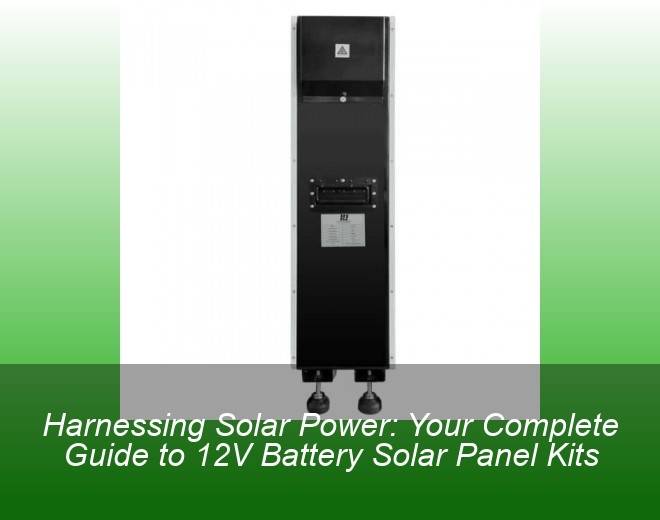
Harnessing Solar Power: Your Complete Guide to 12V Battery Solar Panel Kits
Did you know the global off-grid solar market grew 23% last quarter alone? As energy prices swing like a pendulum and climate consciousness becomes mainstream, 12V solar kits have emerged as silent heroes in residential energy solutions. Let's face it – traditional power infrastructure isn't keeping up with our mobile lifestyles or remote work demands.
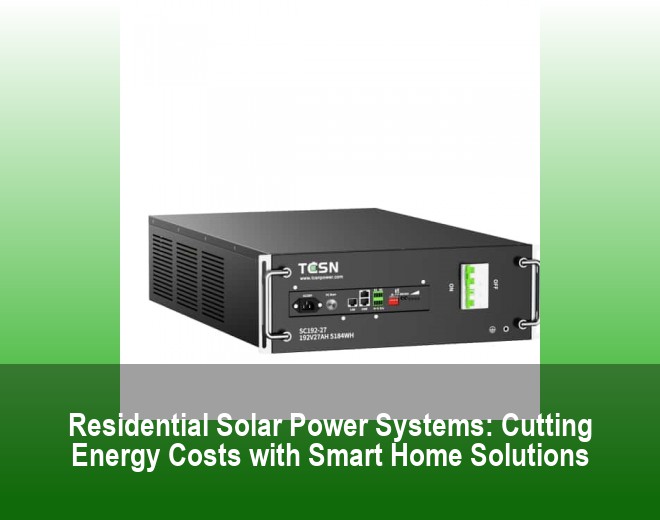
Residential Solar Power Systems: Cutting Energy Costs with Smart Home Solutions
Did you know the average American household spends $2,800 annually on electricity? That's more than double what we paid in 2004 when adjusted for inflation. The kicker? Utility rates keep climbing at 3.2% annually while solar panel costs have plummeted 72% since 2010. It's like watching a slow-motion train wreck - unless you've got an escape plan.
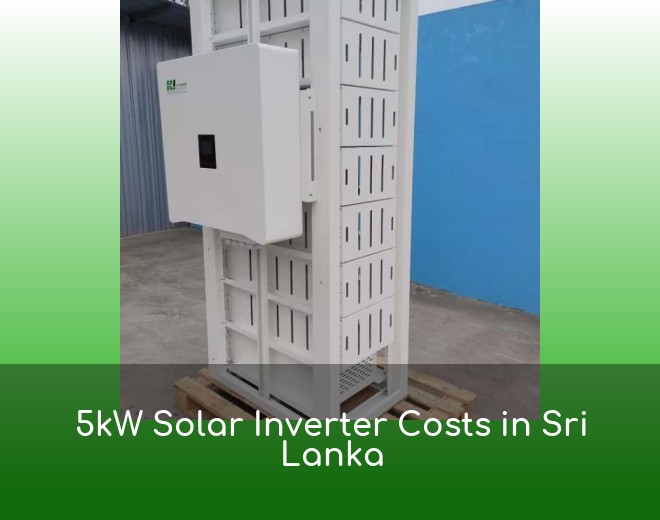
5kW Solar Inverter Costs in Sri Lanka
You’ve probably heard about Sri Lanka’s push toward renewable energy. With frequent power cuts and rising electricity tariffs, households and businesses are scrambling for alternatives. Solar energy, particularly 5kW systems, has become a go-to solution. But here’s the kicker: the heart of these systems—the solar inverter—is often the most misunderstood component. Let’s break it down.
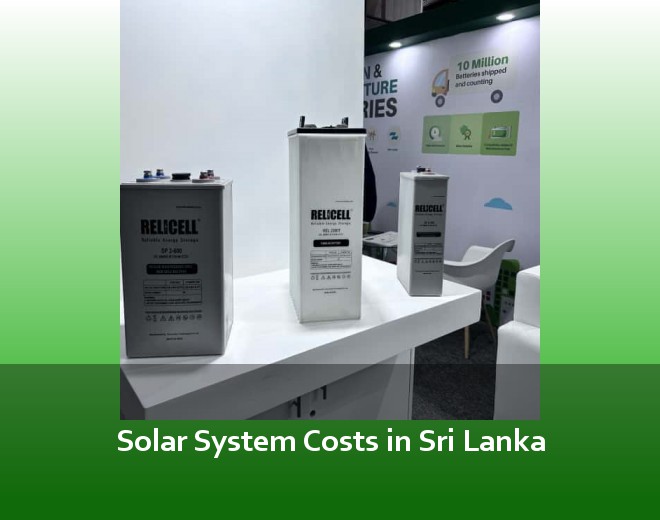
Solar System Costs in Sri Lanka
With 300+ sunny days annually, Sri Lanka's solar potential remains largely untapped. The average residential solar system price hovers around LKR 500,000 (≈$1,650) for a 3kW setup - nearly 3 years' electricity bills for middle-class households. Yet, here's the kicker: 92% of buildings lack solar installations despite 40% lower equipment costs since 2020. Why does a tropical paradise struggle to harness its abundant sunlight?
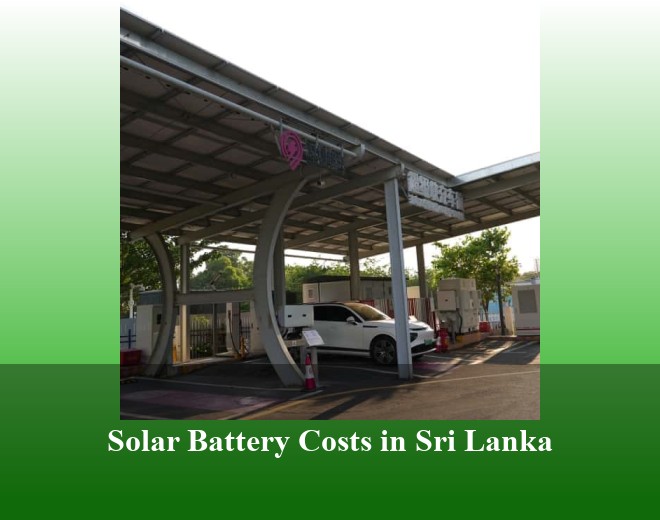
Solar Battery Costs in Sri Lanka
You know, when rolling blackouts became weekly occurrences last monsoon season, my neighbor in Colombo asked me: "Isn't there a better way to keep our fridge running?" That's the moment many Sri Lankans realized - our national grid simply can't meet modern energy needs.
 Inquiry
 Online Chat