


Battery Energy Storage: Powering Tomorrow
Table of Contents
Why Battery Storage Systems Can't Wait
You know how your phone dies right when you need it most? Now imagine that happening to entire cities. Last month, Texas faced rolling blackouts despite having 15GW of installed solar capacity. Energy storage isn't just about saving sunshine for rainy days - it's becoming the linchpin of modern grids.
Consider this: The global battery storage market's grown 87% year-over-year, yet we're still only storing 2% of renewable energy generated. That's like building highways without off-ramps. But why the sudden urgency?
The Chemistry Behind the Box
Most folks think lithium-ion batteries are the final answer. Well, they're not wrong...but they're not entirely right either. Let's break it down:
- Lithium Iron Phosphate (LFP): Safer, longer cycle life (4,000+ cycles)
- Nickel Manganese Cobalt (NMC): Higher energy density, pricier
- Flow Batteries: Scalable duration (8-100+ hours)
I once visited a solar farm in Arizona where they'd mixed three battery types. The site manager joked, "It's like making margaritas - the right blend makes all the difference." And he wasn't wrong. Their hybrid system reduced curtailment by 62% compared to single-chemistry setups.
When Theory Meets Reality
Take California's Moss Landing Storage facility. Their 400MW/1,600MWh system can power 300,000 homes for four hours. But here's the kicker - during last summer's heatwave, it prevented $75 million in potential grid damage. That's not just electrons; that's economic armor.
"Storage isn't the hero we see - it's the hero we need when the sun clocks out." - Grid Operator, CAISO
Now, what about your home? Residential battery storage solutions have dropped 45% in cost since 2018. Tesla's Powerwall now backs up 500,000+ homes globally. But wait - should you get one? Depends. If your utility has time-of-use rates, payback periods can shrink from 10 years to just 6.
Beyond Lithium Frontiers
Solid-state batteries promise 500-mile EV ranges. Sodium-ion tech uses abundant materials. And zinc-air? It's sort of the dark horse - safer, cheaper, but lower efficiency. The race isn't about finding a "winner" though. Different applications demand different workhorses.
China's CATL recently unveiled a 500Wh/kg prototype. To put that in perspective, that's enough to power a drone for 12 hours straight. Meanwhile, Form Energy's iron-air batteries can store energy for 100 hours at 1/10th of lithium's cost. The future's not mono-chromatic - it's a rainbow of solutions.
As we approach 2025, one thing's clear: Energy storage systems are rewriting the rules of power management. They're not just batteries anymore - they're the shock absorbers of our clean energy transition. And honestly, isn't that what we've been waiting for?
Related Contents
Battery Energy Storage Systems: Powering Tomorrow
California’s grid operator issued 32 flex alerts last summer alone, begging residents to reduce consumption during peak hours. Meanwhile, Germany curtailed 5.8 TWh of wind energy in 2023 – enough to power 1.6 million homes annually. Our energy transition’s dirty secret? We’re wasting clean power while fossil plants keep humming as backup.
Battery Energy Storage: Powering Tomorrow
We've all seen those sleek solar panels glittering on rooftops and wind turbines slicing through cloudy skies. But here's the million-dollar question: What happens when the sun ducks behind clouds or the wind stops whispering? This intermittency issue causes up to 15% renewable energy waste globally - enough to power Australia for six months!
Solar Energy and Battery Storage: Powering Tomorrow
Did you know global energy demand surged 8% in 2024 alone? With coal plants closing faster than we can replace them, the urgency for renewable energy solutions has never been greater. Just last month, California experienced rolling blackouts during a heatwave – a stark reminder of our fragile grid.
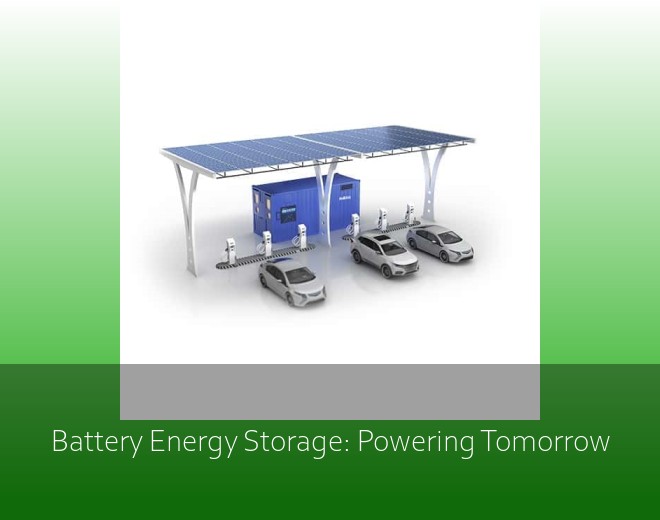
Battery Energy Storage: Powering Tomorrow
Ever wondered why your solar panels stop working during blackouts? Turns out, battery energy storage projects hold the key. With renewable energy generation growing 15% year-over-year globally (IEA 2023), we're facing a peculiar problem - sunlight and wind don't follow human schedules.
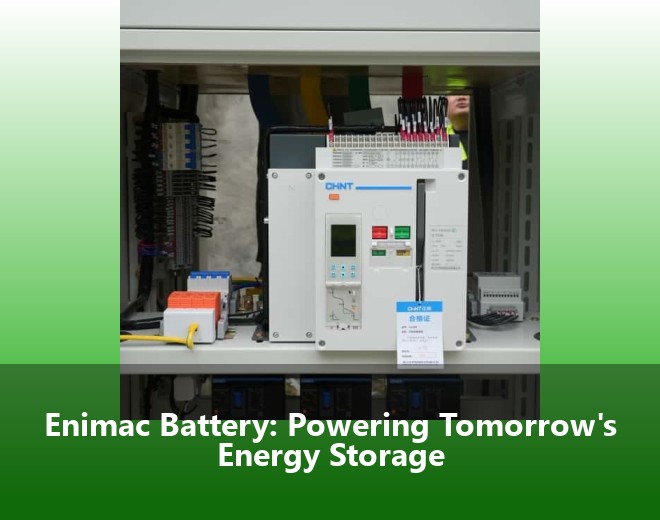
Enimac Battery: Powering Tomorrow's Energy Storage
Ever wondered why your solar panels still leave you vulnerable during blackouts? The truth is, most battery systems can't handle modern energy demands. Last winter's Texas grid collapse showed how conventional solutions crumble under pressure - 4.5 million homes lost power while their batteries sat idle.
 Inquiry
 Online Chat