


SolarEdge MD Batteries: Revolutionizing Home Energy Storage
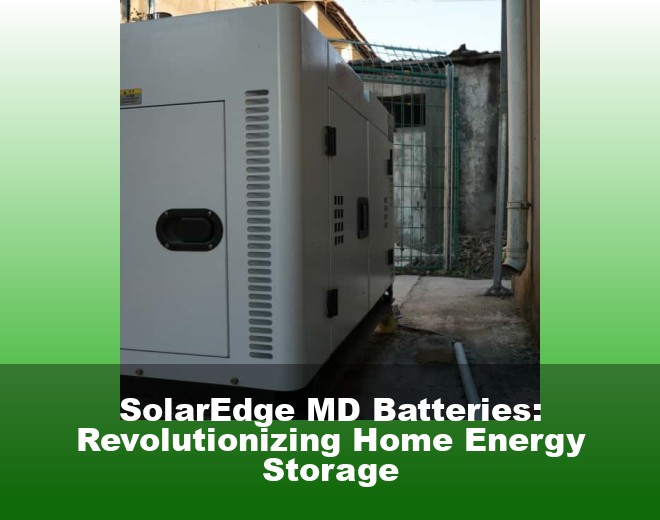
Table of Contents
Why Energy Storage Matters Now More Than Ever
solar panels alone aren't cutting it anymore. With grid reliability becoming as unpredictable as British weather (and trust me, that's saying something), homeowners are demanding solutions that actually work when clouds roll in or rates spike. Enter SolarEdge MD batteries, the silent revolutionaries in residential energy storage.
The Engineering Behind SolarEdge MD Batteries
SolarEdge didn't just slap some cells together. Their modular design allows for incremental capacity expansion - start with 10kWh, grow to 30kWh as needs change. The secret sauce? A hybrid inverter system that manages both PV input and battery output with 98.5% efficiency, according to their 2024 whitepaper.
Key Technical Differentiators:
- Active cell balancing technology
- Wide operating temperature range (-4°F to 122°F)
- 15-year performance guarantee
What Actual Users Are Reporting
Take the Jenkins household in Texas. After installing SolarEdge MD batteries last February, their grid dependence dropped from 80% to 12% during summer months. "It's like having a personal power plant," Mrs. Jenkins told Solar Power World, "except quieter than our pool pump."
The Installation Process Unveiled
Contrary to popular belief, retrofitting existing solar arrays isn't a nightmare. Most certified installers complete MD battery integrations within 6-8 hours. The real challenge? Navigating local permitting - some California municipalities still take 3 weeks just to process paperwork.
Economic Realities Beyond the Hype
While upfront costs remain significant ($12,000-$18,000 before incentives), the math is shifting. With time-of-use rates varying by 300% in some regions, battery payback periods have shrunk from 10 years to 5.5 years since 2022. Still, it's not all sunshine - lithium prices dipped 18% last quarter, but skilled labor costs keep creeping up.
As we head toward 2026, one thing's clear: SolarEdge isn't just selling batteries. They're selling energy independence in a box. And frankly, with grid stability becoming a relic of the 2010s, that box might just be the best home investment since the smart thermostat.
Related Contents
Five Star Solar Batteries: Revolutionizing Home Energy Storage
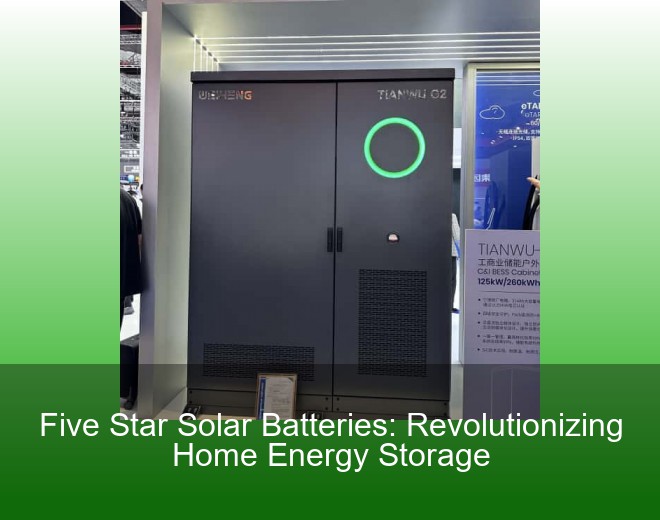
Did you know 42% of U.S. households experienced power disruptions in 2024 alone? With extreme weather events becoming the new normal, energy independence isn't just a buzzword - it's survival. Traditional lead-acid batteries, the sort of clunky solutions we've tolerated for decades, simply can't keep up with modern energy demands.
High-Energy Density Batteries: Powering Tomorrow's Energy Storage
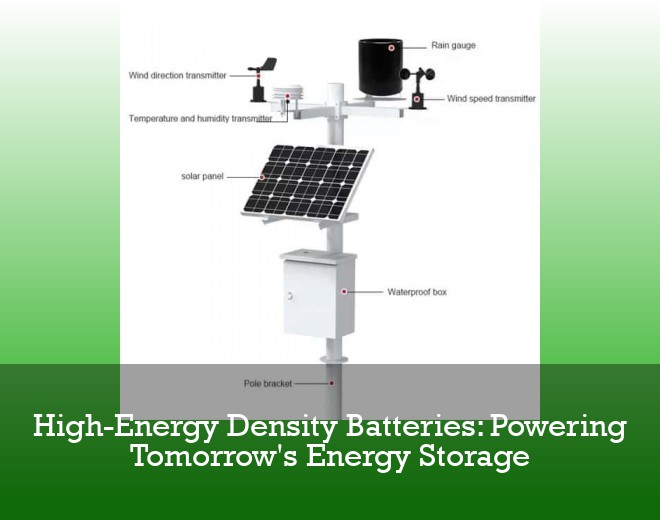
You've installed solar panels on your roof, but they sit idle at night while you draw power from coal-fired plants. This paradox highlights our energy storage gap - renewable systems generate power intermittently, creating urgent demand for better batteries. Current lithium-ion cells store about 250 Wh/kg, but we need 500 Wh/kg to truly decarbonize transportation and grid storage.
Wall-Mounted Lithium Batteries: The Future of Home Energy Storage?
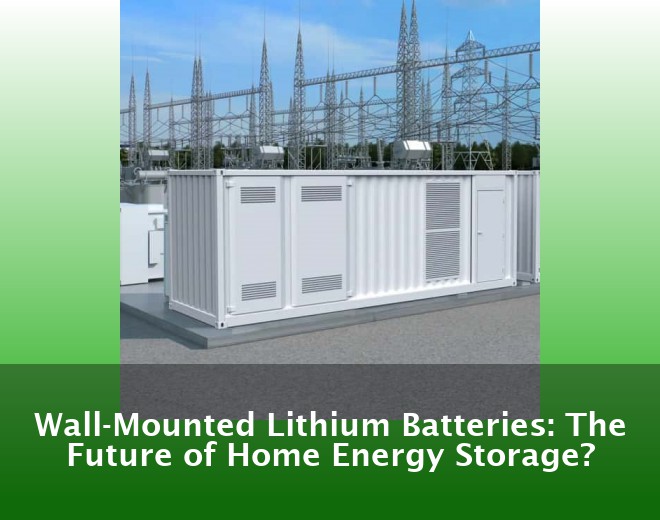
You're a California homeowner staring at your third "flex alert" this month. Rolling blackouts have become about as predictable as British summer rain. Enter wall-mounted lithium battery systems - the Band-Aid solution that's actually working. These space-saving units have seen 127% installation growth in U.S. homes since 2020, according to latest DOE figures. But what makes them different from those clunky lead-acid dinosaurs?
Mechanical Batteries for Home Energy Storage
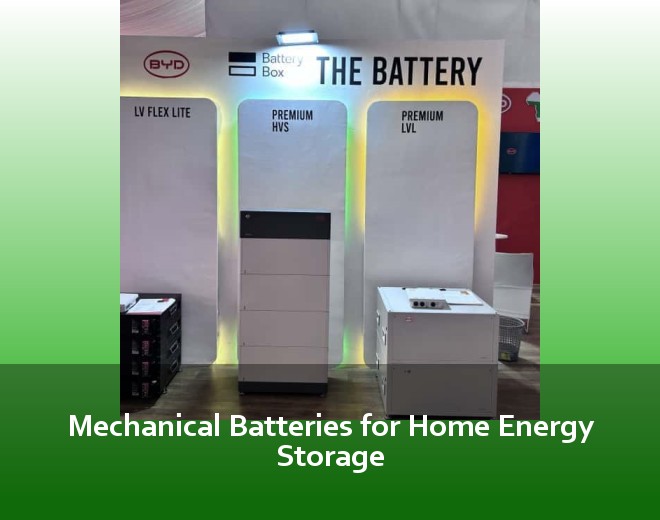
You know how your smartphone battery degrades after 500 charges? Well, mechanical energy storage systems don't face that problem. These silent workhorses store electricity as rotational energy in massive flywheels - some spinning at 50,000 RPM in vacuum chambers. While lithium-ion dominates the home storage market (90% of installations in 2023), mechanical alternatives are making a comeback with 40% longer lifespans.
Solar Batteries XFT9737C: Revolutionizing Home Energy Storage
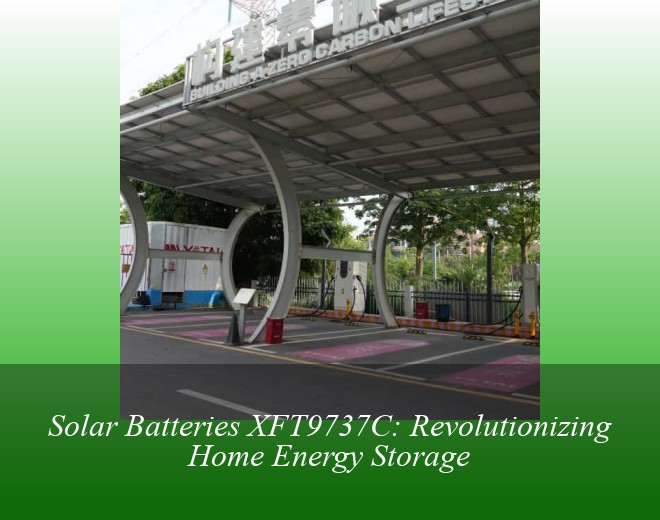
You know what's wild? The average U.S. household spends $1,500 annually on electricity bills while rooftop solar panels sit idle at night. Enter the XFT9737C solar battery, a game-changer that's redefining how we store and use renewable energy.
 Inquiry
 Online Chat