


Solar Panel Size for 102Ah Battery
Table of Contents
Why Your 102Ah Battery Isn't Charging Efficiently
You've got that 102Ah battery sitting in your RV or off-grid cabin. The solar panel's humming away, but somehow the battery never quite reaches full charge. Sound familiar? Let's break down why most people get this wrong.
Last month, a customer in Arizona sent us thermal images of his swollen lead-acid battery. His 100W panel worked perfectly...until monsoon season hit. The math he'd found online didn't account for Arizona's 40% summer humidity reducing panel output. That's the thing about solar charging – it's never just about the numbers on paper.
The Solar Charging Equation You Can't Ignore
Here's the formula we use at Huijue Labs:
(Battery Capacity × Voltage) ÷ (Sun Hours × 0.8) = Minimum Panel Wattage
For a 12V 102Ah battery:
102Ah × 12V = 1224Wh
1224Wh ÷ (5 sun hours × 0.8) = 306W
But wait – that 0.8 efficiency factor? It assumes you're using quality MPPT controllers. With cheap PWM models, you might be looking at 0.6 instead. Suddenly your 306W requirement jumps to 408W!
| Panel Wattage | Charging Time (Ideal) | Charging Time (Cloudy) |
|---|---|---|
| 200W | 7.3 hours | 11.2 hours |
| 300W | 4.9 hours | 8.1 hours |
What RV Owners Wish They'd Known
Take Sarah from Colorado – her 150W foldable panel worked great until she parked under pine trees. The partial shading dropped output to 38W, effectively turning her solar charging system into a trickle charger. We helped her switch to three 100W monocrystalline panels wired in parallel. Now even if one panel's shaded, the others compensate.
MPPT vs PWM: Hidden Efficiency Wars
MPPT controllers aren't just fancy tech jargon. They can extract up to 30% more power from the same panel compared to PWM. For a 300W array, that's the difference between 225W and 300W usable power – enough to charge your 102Ah battery 25% faster.
But here's the catch: MPPT efficiency peaks when panel voltage is significantly higher than battery voltage. That's why we recommend 24V panels for 12V battery systems – a counterintuitive setup that confuses most DIYers.
Beyond Wattage: The Climate Factor
Solar panels lose about 0.5% efficiency per degree Celsius above 25°C. In Nevada's 45°C summer afternoons, your 300W panel might only deliver 240W. That's why proper panel spacing (at least 4 inches for airflow) matters as much as raw wattage numbers.
Last week, a boat owner in Miami realized his marine-grade 102Ah battery wasn't charging despite having "enough" solar capacity. The culprit? Salt spray residue reducing panel efficiency by 18%. A simple weekly rinse with distilled water solved it – no new equipment needed.
So what's the magic number? For most applications, a 300-400W solar array strikes the right balance. But remember – sizing solar panels isn't just about the battery's specs. It's about your location, weather patterns, and even how often you're willing to clean those panels!
Related Contents
Solar Panel Size for 200Ah Battery
You’ve probably heard that solar panels can charge a 200Ah battery – but will they do it efficiently? Let’s cut through the technical jargon. A typical 200Ah lead-acid battery stores about 2.4kWh when fully charged. To recharge this in 6 hours of peak sunlight, you’d need at least 400W of solar panels. But wait, that’s assuming perfect conditions – something that rarely happens in real life.
Solar Panel Size for 180Ah Battery Guide
You know that sinking feeling when your off-grid power system fails during a storm? Let's prevent that. For a 180Ah battery, three critical factors dictate your solar panel requirements:
What Size Solar Panel to Charge a Car Battery
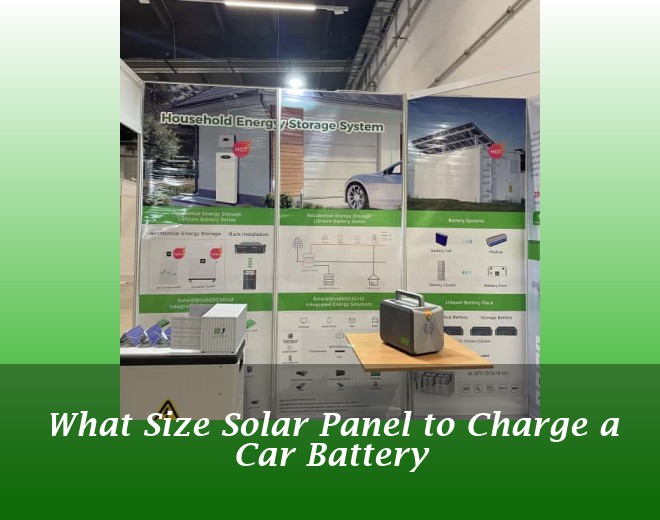
Ever wondered why your car battery keeps dying despite regular use? The average 12V automotive battery ranges from 40-100Ah capacity. But here's the kicker: a fully discharged 60Ah battery requires about 720Wh (60Ah × 12V) to recharge completely.
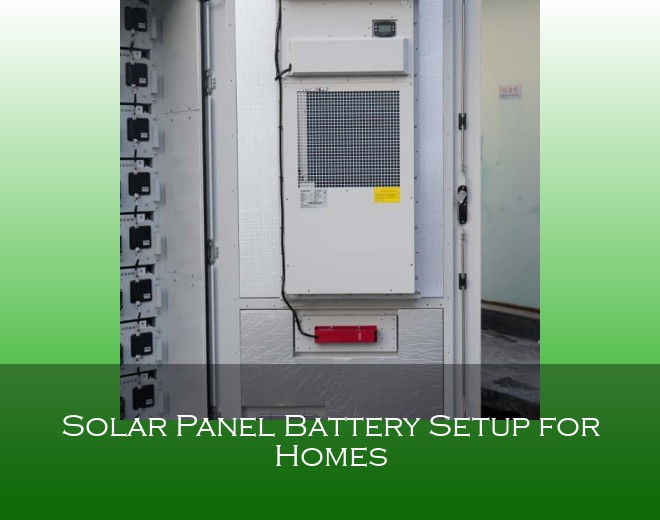
Solar Panel Battery Setup for Homes
Ever wondered how Texas homeowners kept lights on during the February 2024 grid collapse? The answer lies in solar panels paired with smart battery storage. With utility rates jumping 14% nationally last quarter, energy independence isn't just eco-friendly - it's wallet-smart.
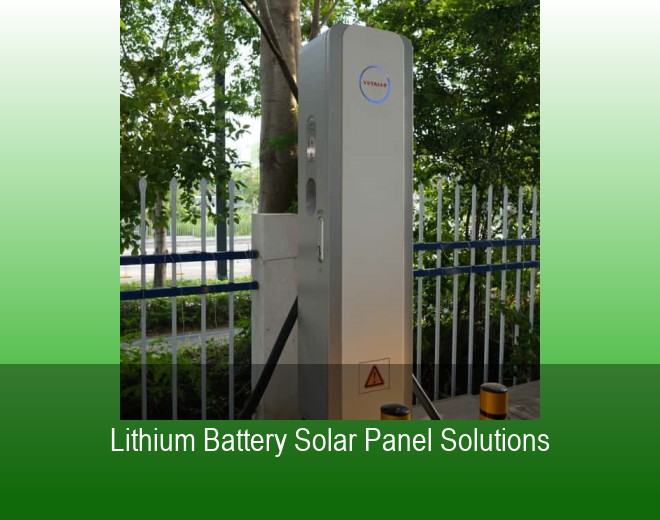
Lithium Battery Solar Panel Solutions
You know, solar panels have become almost ubiquitous - you see them on rooftops, in fields, even powering roadside signs. But here's the kicker: solar energy production peaks at noon, while household demand spikes in the evening. This mismatch creates what we call the "duck curve" problem in energy grids, where supply and demand dance out of sync.
 Inquiry
 Online Chat