


Essential Solar Home System Components
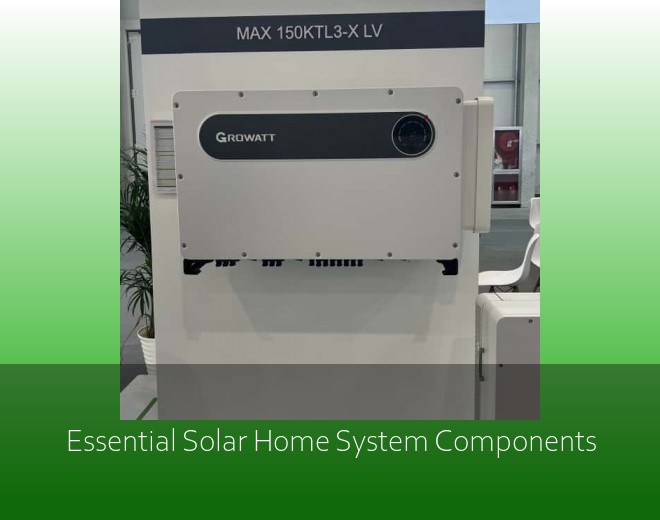
Table of Contents
Why Energy Security Matters Now
You've probably noticed electricity bills climbing faster than solar panel installations these past two years. With extreme weather events increasing by 38% since 2022 according to EU energy reports, home solar systems aren't just eco-friendly - they're becoming financial life rafts. But how do these systems actually work when the grid fails?
Well, here's the thing: A typical solar home setup isn't just about slapping panels on your roof. Last month's blackout in Johannesburg proved that systems without proper battery backups left families literally in the dark - despite having solar panels gleaming in the sunshine.
The 4 Non-Negotiable Components
1. Solar Panels That Survive Hailstorms
Modern photovoltaic modules aren't your grandpa's solar tech. The latest bifacial panels generate power from both sides, increasing output by up to 20%. But here's where people mess up: buying panels rated below 400W for home use. That's like buying a sports car with bicycle tires.
2. Smart Charge Controllers
Imagine pouring a firehose of solar energy into your battery bank. Without an MPPT (Maximum Power Point Tracking) controller, you're wasting up to 30% of your harvested energy. The new Huawei SUN2000 series even predicts weather patterns to optimize charging cycles.
"During last winter's ice storm, our upgraded controllers maintained battery health while dumb units fried themselves within hours."
- Solarpro Maintenance Team, 2024
What Most Homeowners Overlook
You know what's worse than a dead solar system? One that works... kind of. Let's talk about the silent killers:
- DC-AC conversion losses (up to 8% in cheap inverters)
- Partial shading reducing output by 40%
- Battery memory effect in outdated lead-acid models
Here's where the Hithium partnership in Bulgaria changed the game. Their liquid-cooled lithium batteries maintain 95% efficiency even at -20°C - crucial for mountain cabins and beach houses alike.
When Systems Fail (And How to Prevent It)
Last quarter's recall of 12,000 microinverters taught us this: energy storage systems need quarterly checkups. Dust accumulation alone can decrease panel efficiency by 5% monthly in arid regions. But wait - cleaning them with tap water? That leaves mineral deposits. Use deionized water or specialized cleaning bots instead.
Real-World Success in Bulgaria
The Razlog project combines 33MW solar tracking arrays with 55MWh battery storage - enough to power 8,000 homes during peak demand. What's revolutionary isn't the scale, but the integration. Their hybrid inverters switch between grid-tied and off-grid modes in under 20ms - faster than the blink of an eye.
Now picture this in your home: panels that follow the sun like sunflowers, batteries that outlive your mortgage, and controllers smart enough to sell excess power automatically. That's not future tech - it's what's being installed in Nairobi suburbs and Norwegian fjords right now.
So where does this leave homeowners? At the edge of an energy revolution where your roof becomes both shield and generator. The components exist. The tech is proven. The only question remaining - when will your home join the 21st century's energy independence movement?
Related Contents
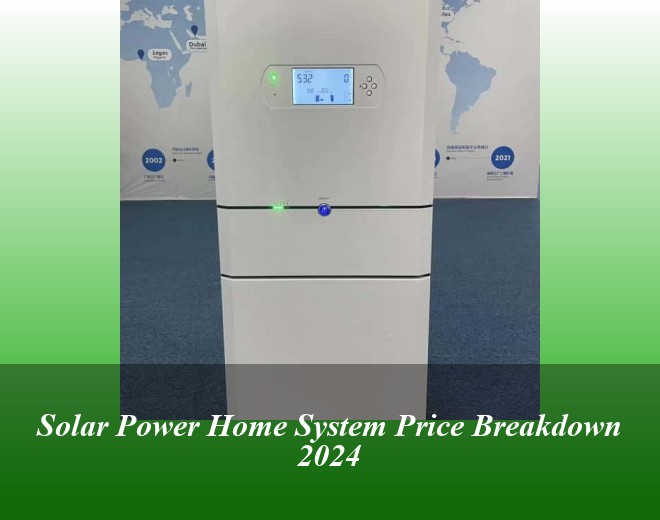
Solar Power Home System Price Breakdown 2024
You know what's wild? The average 6kW residential solar setup now costs $18,500 before incentives - that's 40% cheaper than a decade ago. But why do prices still feel steep for many homeowners? Let's peel back the layers.
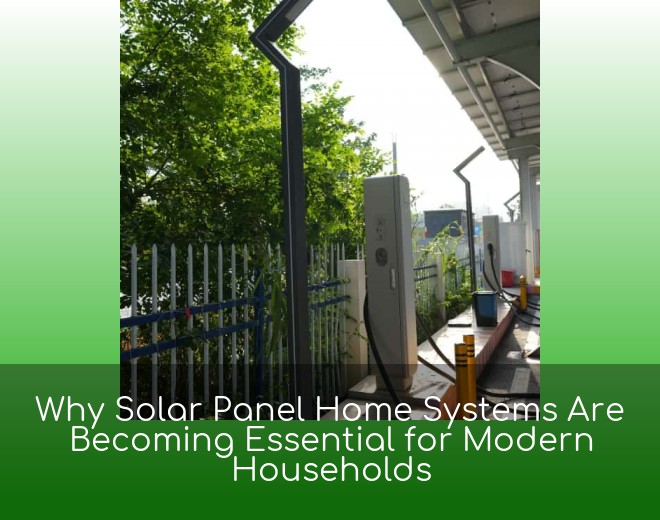
Why Solar Panel Home Systems Are Becoming Essential for Modern Households
You know that sinking feeling when your electricity bill arrives? Last month, the average U.S. household paid $143 for grid power – 11% higher than pre-pandemic levels. But here's what they don't tell you: every kilowatt-hour from fossil fuels contributes to energy insecurity and environmental debt that your grandchildren will inherit.
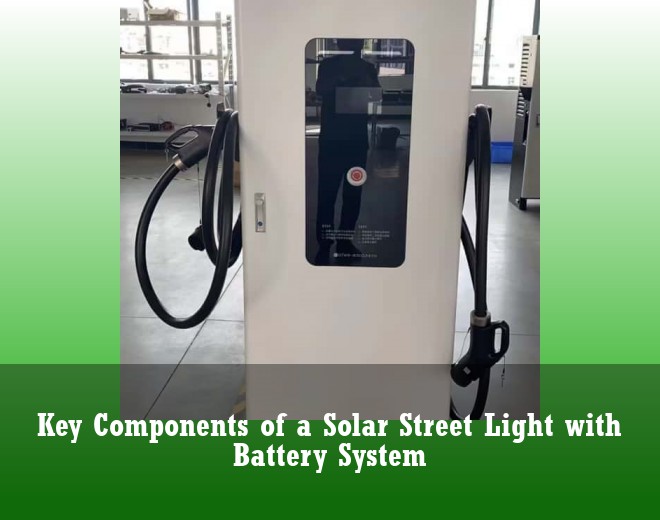
Key Components of a Solar Street Light with Battery System
Let's cut through the noise - every solar street light lives or dies by five critical components. The battery might be getting all the attention these days, but wait until you see how the other parts play equally crucial roles.

Solar System for Home Price in Nigeria: Costs, Trends, and Smart Energy Solutions
You know that feeling when your freezer thaws during a blackout? For 43% of Nigerian households, this isn’t just an inconvenience—it’s weekly reality. The national grid supplies only 4,000MW for 200 million people, creating a solar energy adoption boom. But why now? Three factors collided in 2025:
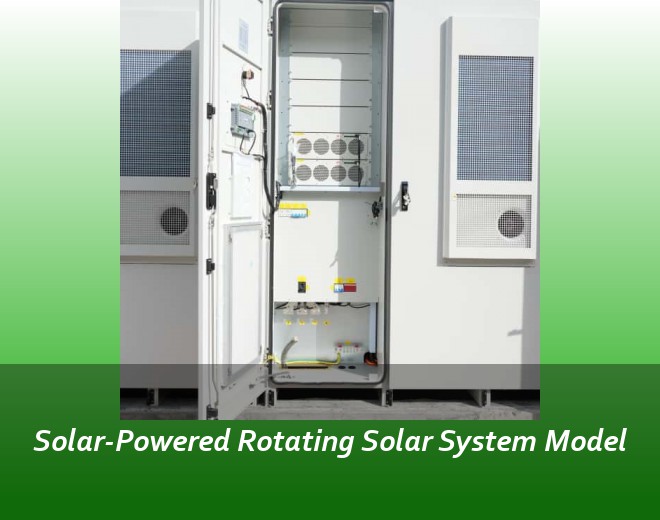
Solar-Powered Rotating Solar System Model
Why do 78% of educational science models still use disposable batteries when we're literally orbiting a giant fusion reactor? Traditional rotating solar system models consume 4-6 AA batteries weekly in classroom settings - that's enough toxic waste to fill 12 school buses annually.
 Inquiry
 Online Chat