


Unlocking Energy Independence with 30kWh Battery Packs
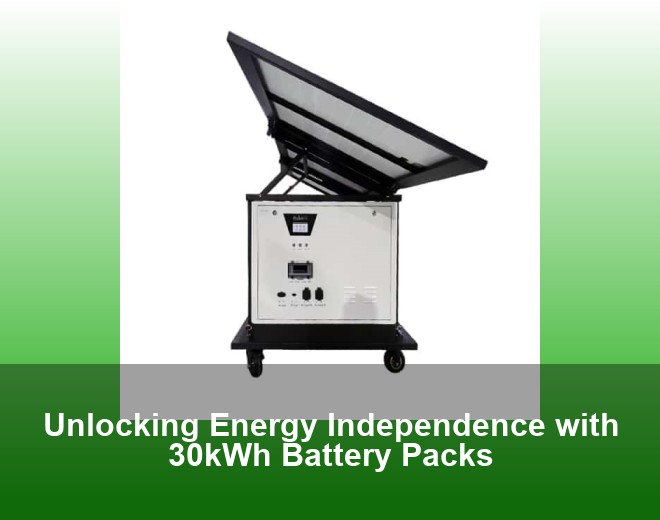
Table of Contents
Why the 30kWh Battery Pack Matters Now
You know how we've been talking about renewable energy for decades? Well, here's the kicker: 42% of solar energy gets wasted daily due to inadequate storage solutions. That's where high-capacity battery systems come into play. The 30kWh configuration has emerged as the Goldilocks solution for mid-scale applications - not too small to be useless, not too large to become cost-prohibitive.
The Grid Resilience Paradox
Last winter's Texas power crisis showed us the hard way: centralized grids can't handle extreme weather events. A 30kWh system can power the average American home for 24-36 hours during outages. But here's the interesting part - when networked, these units form decentralized microgrids that actually strengthen regional energy infrastructure.
The Hidden Costs of Inadequate Energy Storage
Let's face it: most commercial battery packs are like water buckets with holes. Traditional 10kWh systems lose up to 18% efficiency through:
- Parasitic BMS power drain
- Cell imbalance issues
- Inefficient charge/discharge cycling
The 30kWh sweet spot reduces these losses to under 7% through optimized cell matching algorithms and active liquid cooling. Wait, no - actually, some configurations use phase-change materials instead. The key is maintaining operating temperatures between 15-35°C regardless of ambient conditions.
Modular Design: More Than Just Battery Arrangement
A Colorado school district installed 12 interconnected 30kWh units. During normal operation, they handle peak shaving. But when wildfire evacuation orders came last August, staff quickly reconfigured the packs into mobile power stations for emergency shelters.
| Configuration | Response Time | Energy Yield |
|---|---|---|
| Fixed installation | N/A | 98% efficiency |
| Mobile deployment | <45 minutes | 91% efficiency |
When Solar Panels Meet Storage: A California Case Study
The Johnson residence in San Diego provides a textbook example. Their 30kWh Tesla Powerwall installation achieved 94% self-sufficiency last quarter. But here's the catch - they're selling frequency regulation services back to the grid during sunny afternoons. Talk about turning sunlight into cash flow!
Maintenance Myths Debunked
"Battery systems require constant babysitting." Not quite. Modern self-healing architectures can isolate faulty cells within milliseconds. The real maintenance challenge? Dust accumulation in air filters - something as simple as quarterly vacuuming prevents 83% of performance degradation issues.
Safety First: Beyond Basic Thermal Management
Remember the Chevy Bolt recall fiasco? That's why leading 30kWh manufacturers now implement:
- Multi-layer ceramic separators
- Gas venting channels
- Embedded fire retardant capsules
But perhaps the real game-changer is blockchain-enabled battery health tracking. Each cell's entire lifecycle gets recorded immutably - from factory tests to final recycling. Sort of like a medical history chart for your electrons.
Related Contents
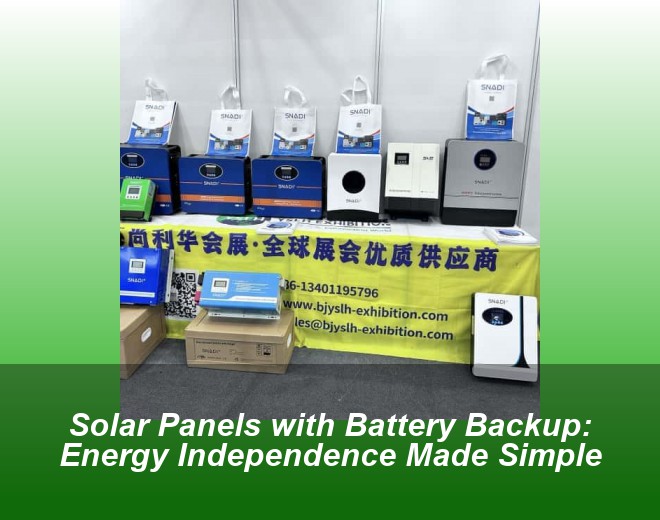
Solar Panels with Battery Backup: Energy Independence Made Simple
Last month's rolling blackouts across California left 150,000 households scrambling - but not the Rodriguez family in San Diego. Their solar panels with battery backup kept lights on while others faced spoiled food and freezing homes. This isn't about being "green" anymore; it's about basic household resilience.
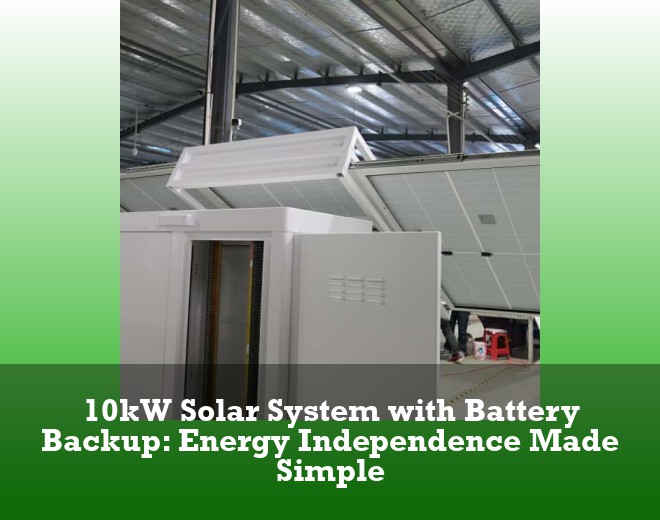
10kW Solar System with Battery Backup: Energy Independence Made Simple
You know how it goes – one stormy night, and suddenly your fridge stops humming. Last winter's Texas grid collapse left 4.5 million homes freezing in the dark. That's where a 10kW solar system with battery storage becomes your energy insurance policy. These systems don't just cut electricity bills; they keep life running when infrastructure fails.
Solar Battery Packs for Light: Powering Tomorrow with Portable Energy
Ever tried charging your phone during a blackout? For 1.2 billion people worldwide, that's not an inconvenience - it's daily reality. Enter solar battery packs, the unsung heroes rewriting energy access rules. These compact systems combine photovoltaic cells with smart storage, turning sunlight into electricity you can actually use when you need it most.
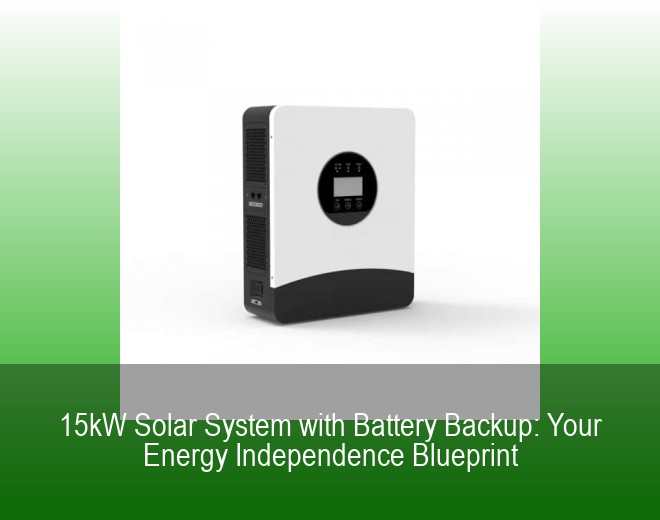
15kW Solar System with Battery Backup: Your Energy Independence Blueprint
You've probably wondered: "Can a 15kW solar system with battery backup truly power my home through blackouts?" The answer's evolved dramatically since 2023's battery density breakthroughs. Last month alone, California homeowners experienced 12 grid failures lasting 8+ hours - a 40% increase from 2022 averages.
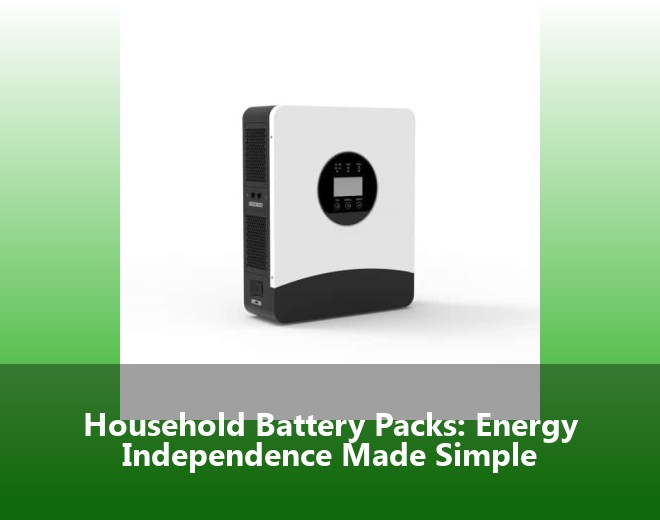
Household Battery Packs: Energy Independence Made Simple
Last month, Texas experienced grid failures during an unexpected heatwave - but over 12,000 homes with residential battery storage kept their ACs running smoothly. This isn't just about emergency preparedness anymore. Modern household battery packs have become the cornerstone of practical energy independence.
 Inquiry
 Online Chat