


Solar Battery Sizing 101: Optimize Renewable Storage
Table of Contents
The High Cost of Getting Battery Sizing Wrong
You know what's worse than a blackout? Spending $15,000 on a solar battery system that can't power your fridge during a storm. Last month, a Texas homeowner discovered their undersized lithium-ion battery failed exactly when needed most - during a 72-hour grid outage.
The Goldilocks Principle of Energy Storage
Most homeowners make two critical mistakes:
- Overestimating daily consumption (the "what if we host 20 people?" fallacy)
- Ignoring depth of discharge (DoD) limitations
Let's break this down. The average U.S. household uses about 30kWh daily, but peak demand can spike to 10kW during cooking hours. A typical 10kWh battery might only deliver 8.5kWh usable energy due to DoD constraints. See the problem?
Three Non-Negotiable Solar Battery Factors
Here's where things get interesting. While solar panels get all the glory, your battery storage system is the unsung hero that actually determines energy resilience. Let's examine the three-legged stool of proper sizing:
1. Load Calculation Realities
Energy audits reveal surprising truths. A Minnesota family reduced their estimated needs by 40% after discovering "energy vampires" - devices consuming power 24/7 without adding value. Their secret weapon? Smart plugs tracking phantom loads.
2. Weather Pattern Math
Phoenix homes need 30% more storage than Seattle counterparts due to longer cooling seasons. But wait, doesn't Arizona have more sunshine? Absolutely, but when your AC runs 18 hours daily in July, solar production can't keep up without robust storage.
The 5-Step Battery Sizing Blueprint
Let's walk through a practical example. Meet Sarah from San Diego - she wants backup power for her 1,800 sq ft home. Here's how we calculated her needs:
| Appliance | Watts | Hours/Day |
|---|---|---|
| Refrigerator | 150 | 8 |
| LED Lights | 200 | 5 |
| Laptop | 50 | 6 |
Total daily load: (150×8) + (200×5) + (50×6) = 2,500Wh. But here's the kicker - we multiply by 1.5 for system losses and safety margins. Final requirement? 3,750Wh. Sarah opted for a 5kWh battery, leaving room for future needs.
When Theory Meets Reality: A Colorado Case Study
A Denver couple installed a 20kWh battery bank for their off-grid cabin. Everything worked perfectly... until December. Their miscalculation? Not accounting for reduced solar input and increased heating needs. The solution came from an unexpected source - integrating a small wind turbine as supplemental charging.
The Lithium vs. Lead-Acid Smackdown
While lithium batteries dominate headlines, 38% of Alaskan homesteaders still use lead-acid. Why? Lower upfront costs and better cold-weather performance. But here's the rub - they require 50% more capacity due to stricter DoD limits. It's sort of like choosing between a sprinter and marathon runner.
Future-Proofing Your Battery System
As we approach 2024, three emerging trends are changing the game:
- Vehicle-to-home (V2H) integration
- AI-powered consumption forecasting
- Modular battery stacking
But here's my controversial take: The best future-proofing isn't tech - it's designing flexible systems. A client's "dumb" lead-acid setup from 2018 now integrates with new lithium modules through universal connectors. Sometimes low-tech solutions outsmart bleeding-edge gadgets.
So where does this leave homeowners? Probably overwhelmed, if we're being honest. The key is balancing current needs with educated guesses about tomorrow's requirements. After all, your solar battery system isn't just a purchase - it's a 15-year relationship with your home's energy heartbeat.
Related Contents

Renewable Energy Revolution: Solar Storage and Battery Breakthroughs
Ever wondered why renewable energy adoption still feels like an uphill battle despite global climate pledges? The answer lies in the "duck curve" phenomenon—a mismatch between solar production peaks and evening energy demand. In 2025, California’s grid operators reported a 37% surplus of solar energy at midday, only to rely on gas plants after sunset. This inefficiency highlights the urgent need for advanced storage solutions.
Solar Battery Storage: Maximizing Solar Efficiency
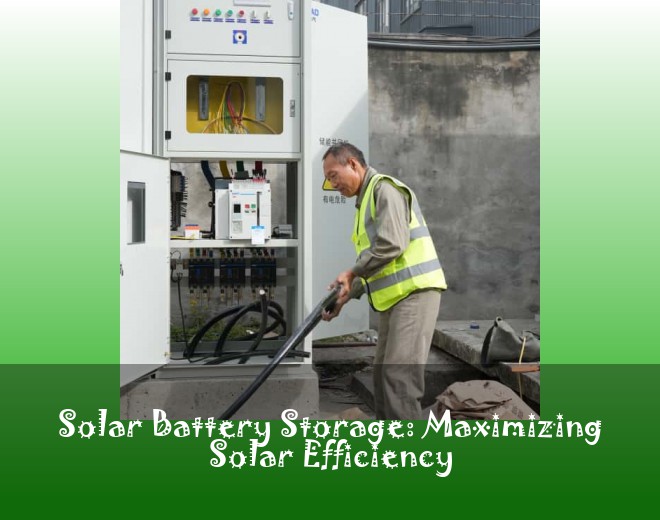
You’ve seen solar panels glittering on rooftops worldwide, but here's the kicker: solar energy storage remains the missing puzzle piece. While photovoltaic technology advanced 27% in efficiency since 2020 (U.S. Department of Energy), 68% of generated solar power still gets wasted during peak production hours. Why? Most systems lack proper storage solutions.
Raylite R-Solar RR2 96Ah-C20 Battery: 2024 Solar Storage Revolution
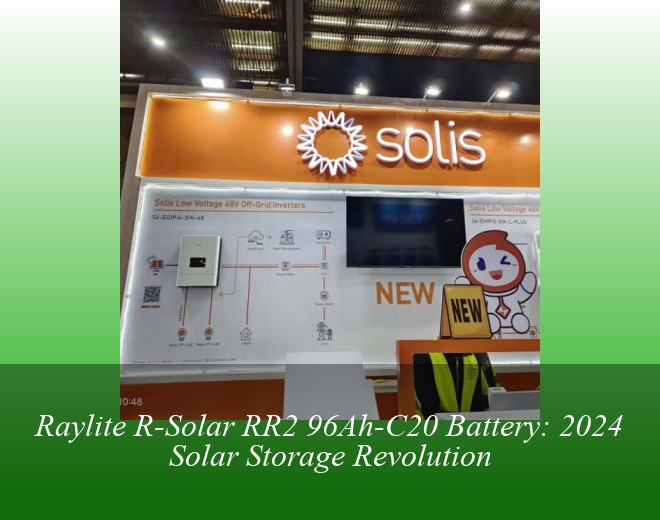
You've probably seen the C20 rating on solar batteries, but what does it really mean for your off-grid system? Let's cut through the marketing speak. The Raylite R-Solar RR2's 96Ah at C20 rating isn't just a number - it's a survival guarantee.

Lithium-Ion Solar Battery Storage: The Future of Renewable Energy Management
Ever wondered why your neighbor's solar panels sit idle during blackouts? The answer lies in missing energy storage solutions. As solar adoption surges globally - with installations growing 35% year-over-year according to 2024 industry reports - the real game-changer isn't just generating clean energy, but storing it effectively.
Lifimiron Battery Solar: Revolutionizing Renewable Energy Storage
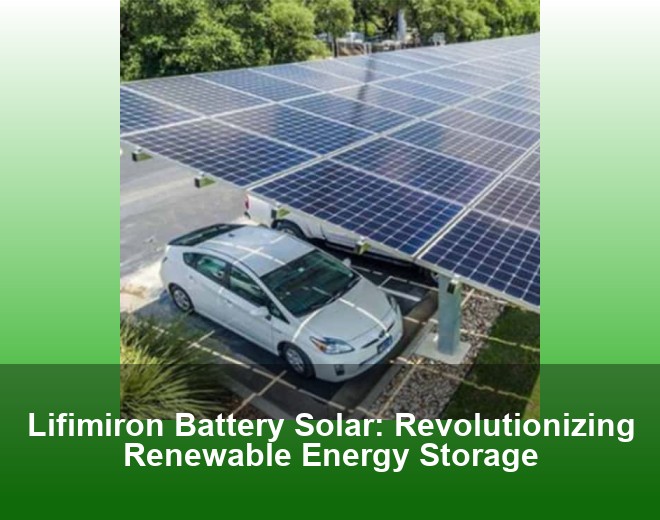
Ever wondered why solar panels sometimes feel like sports cars stuck in traffic? The truth is, even the most efficient photovoltaic systems lose 15-30% of their potential without proper energy storage. Last month, California's grid operators reported dumping 2.6 gigawatt-hours of solar energy during peak production hours - enough to power 90,000 homes for a day.
 Inquiry
 Online Chat