


Why Battery Energy Storage is Reshaping Our Power Grids Now
Table of Contents
The $33 Billion Question: Can We Store Tomorrow's Energy Today?
You know that sinking feeling when your phone dies during a video call? Now imagine that happening to entire cities. That's essentially the challenge we're facing with modern energy storage systems. The global market hit $33 billion last year, but here's the kicker - we're still losing 15% of renewable energy daily due to inadequate storage solutions.
Last month, Texas experienced rolling blackouts despite having record wind power generation. Why? Because the existing infrastructure couldn't store surplus energy from windy nights for use during calm afternoons. It's like trying to pour a hurricane into a teacup - the mismatch between production and consumption keeps utilities awake at night.
Why Your Lights Flicker: The Hidden Costs of Grid Instability
Let's break this down. Traditional grids were designed for predictable coal plants, not the mood swings of solar and wind. When California added 5GW of solar last year, they accidentally created the "duck curve" phenomenon - where midday energy prices crash due to oversupply, then skyrocket at sunset. Utilities end up paying customers to use electricity, while your neighbor's Bitcoin mining rig laughs all the way to the bank.
Now consider this: A typical 100MW wind farm might generate enough power for 30,000 homes...when the wind blows. But without proper battery energy storage systems (BESS), that's like owning a sports car with no gas tank. You're stranded whenever nature decides to take a breather.
How Lithium-Ion Became the Swiss Army Knife of Energy Storage
Enter lithium-ion batteries - the unlikely heroes powering both your smartphone and modern grid resilience. Their energy density has improved 300% since 2010 while costs plummeted 89%. But here's where it gets interesting: utilities aren't just using Tesla Powerwalls. They're deploying football field-sized installations like California's 300MW Moss Landing facility that can power 225,000 homes for 4 hours.
Three game-changing applications:
- Time-shifting: Storing cheap solar noon energy for expensive evening use
- Frequency regulation: Acting as grid shock absorbers (responds in milliseconds vs minutes for gas plants)
- Black start capability: Rebooting power plants after outages without external electricity
When the Wind Stops: Real-World Success Stories
Remember South Australia's 2016 blackout? They've since installed the world's largest lithium-ion battery (150MW/194MWh) that's paid for itself 2.5 times over by stabilizing the grid during 30+ outages. Or take Germany's new "solar highway" project - 16km of noise barriers doubling as solar panels with integrated storage, powering 250 homes year-round.
But wait - there's more. Hawaii's Kauai Island uses solar-plus-storage to achieve 60% renewable penetration, cutting diesel imports by 7 million gallons annually. They've essentially turned sunshine into liquid gold, proving island grids can lead the energy transition.
Beyond Batteries: What Comes Next?
While lithium-ion dominates today, the race is on for tomorrow's storage solutions. Flow batteries (like iron-based systems) offer 12+ hour storage durations perfect for multi-day cloudy periods. Then there's gravitational storage - Energy Vault's 35MWh concrete tower system that literally uses gravity as a battery. And let's not forget hydrogen's potential for seasonal storage, though the 50% round-trip efficiency still gives engineers nightmares.
Here's the bottom line: The next decade won't be about finding one perfect solution, but creating smart hybrid systems. Imagine combining lithium-ion's quick response with hydrogen's long-term storage and pumped hydro's massive capacity. It's like building a storage symphony where each instrument plays to its strengths.
As we approach 2026, keep an eye on sodium-ion breakthroughs and AI-driven virtual power plants. These could democratize energy storage, turning every home battery and EV into grid-supporting assets. The future isn't just about storing energy - it's about creating an interactive web of resilient power nodes.
Related Contents
Why Battery Energy Storage Systems Are Reshaping Renewable Energy
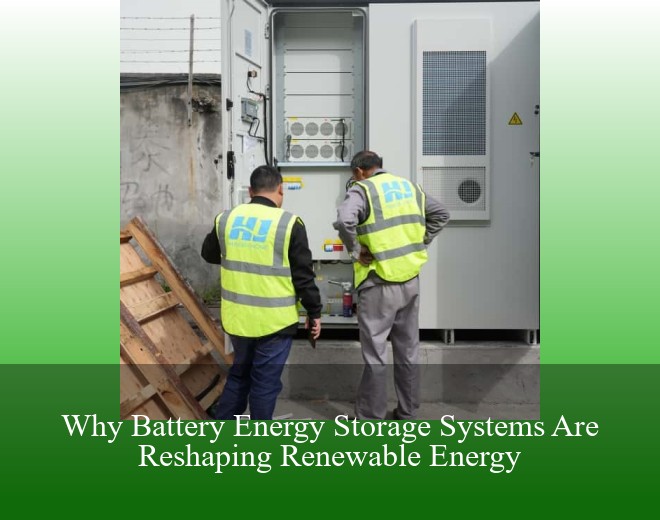
We've all seen those stunning solar farms and wind turbines spinning like modern-day windmills. But here's the million-dollar question: How do we store this energy effectively when the sun isn't shining or the wind stops blowing? Enter Battery Energy Storage Systems (BESS) - the unsung heroes keeping your lights on during cloudy days.
Great Power Battery: Energy Storage Revolution
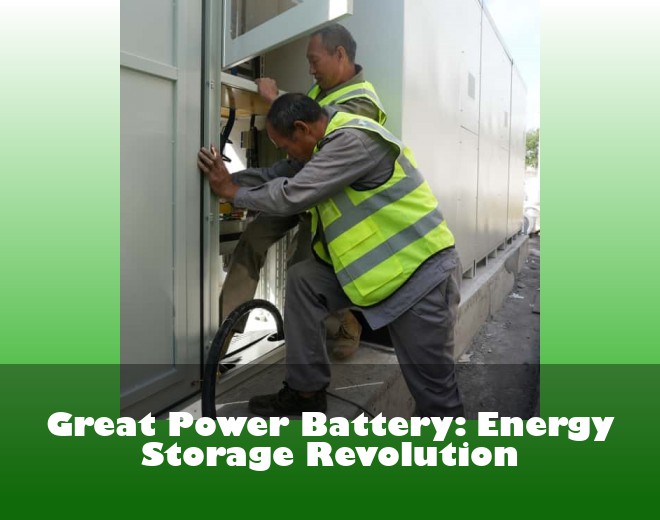
You know how it goes - solar panels sit idle at night while factories burn coal to keep production lines running. The global energy storage market reached $210 billion last quarter, yet 73% of industrial facilities still can't store more than 4 hours of operational power. Battery degradation remains the elephant in the room, with most commercial systems losing 30% capacity within 18 months.
Battery Energy Storage Systems: The Game-Changer in Renewable Energy Integration
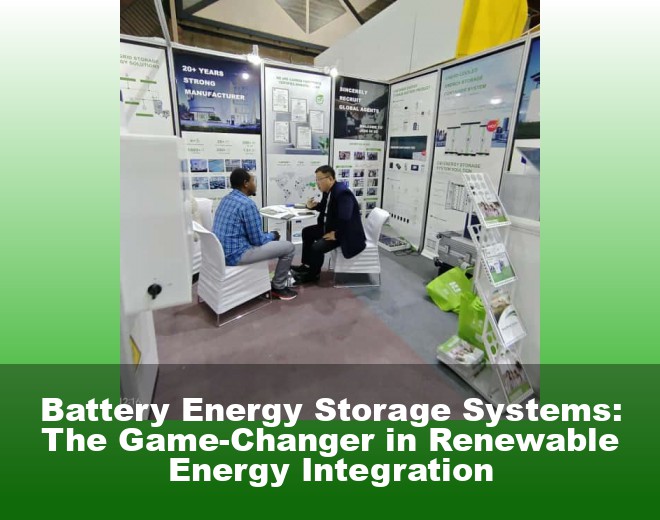
California’s grid operators watching helplessly as 300,000 MWh of solar power gets curtailed on a sunny afternoon—enough to power 90,000 homes for a day. Meanwhile, Texas households shivered through 2023’s winter storms despite having the nation’s largest wind power capacity. The culprit? A fundamental mismatch between when we generate renewable energy and when we actually need it.
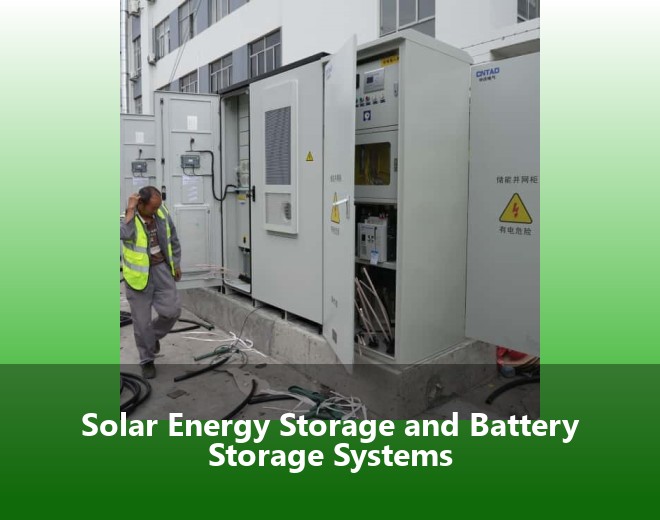
Solar Energy Storage and Battery Storage Systems
Ever wondered why your solar panels stop working during blackouts? The dirty secret of renewable energy lies in its intermittency. While solar energy storage technologies have advanced dramatically, 42% of commercial solar projects still rely on grid power after sunset.
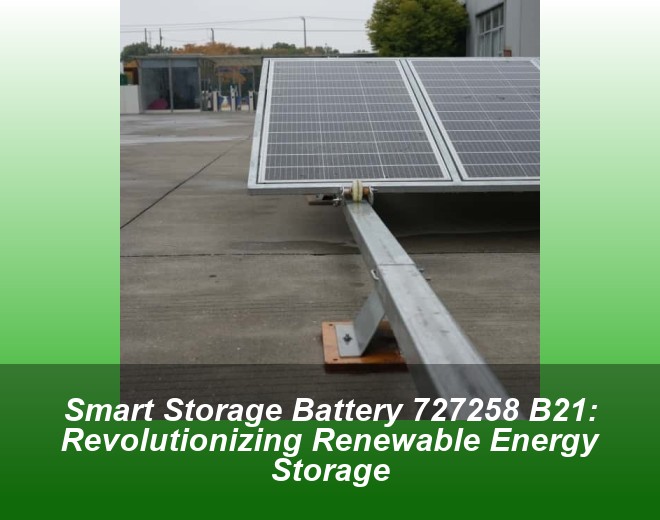
Smart Storage Battery 727258 B21: Revolutionizing Renewable Energy Storage
You know what keeps renewable energy experts awake at 3 AM? Mountains of solar panels generating excess power with nowhere to store it. The global renewable energy sector added 510 gigawatts of capacity last year alone, but here's the kicker - nearly 18% of that potential gets wasted due to inadequate storage solutions.
 Inquiry
 Online Chat