


Runergy New Energy: TOPCon Innovations Amid Global Solar Patent Wars
Table of Contents
Why TOPCon Became the Solar Industry's Battleground
the solar patent wars heating up in 2024 aren't really about technical specs. They're about controlling the future of energy infrastructure. When Trina Solar sued Runergy New Energy over TOPCon technology last October, it exposed the high stakes in today's renewable energy race.
TOPCon (Tunnel Oxide Passivated Contact) technology boosts solar panel efficiency by 1-2% compared to standard PERC cells. That might sound trivial, but here's the kicker: in utility-scale solar farms, this translates to $120,000+ annual savings per megawatt installed. No wonder manufacturers are fighting tooth and nail over these patents!
The Efficiency Arms Race
Runergy's latest M10 series modules achieve 22.8% conversion efficiency - a 0.5% improvement over previous models. While that number seems small, it actually represents years of R&D in:
- Surface passivation techniques
- Doped polysilicon layer optimization
- Laser-assisted contact formation
Runergy's Edge in High-Efficiency Modules
What makes Runergy New Energy's approach different? Well, they've sort of cracked the code on cost-effective TOPCon production. Their proprietary "Hybrid PECVD" process reduces silver consumption by 30% compared to industry standards. You know how precious metal prices can make or break solar economics!
Here's the real-world impact: A 500MW production line using this technology saves approximately $7.5 million annually in material costs. That's not just pocket change - it's the difference between profit margins that attract investors versus those that scare them off.
Navigating Patent Disputes in Renewable Tech
The ongoing ITC investigation reveals a harsh truth - global solar expansion now depends as much on legal strategies as technical prowess. When Trina filed its third patent infringement case against Runergy in October 2024, it wasn't just about protecting IP. It was a calculated move to delay a competitor's market entry during crucial expansion phases.
Runergy's counterstrategy? They're reportedly accelerating development of TOPCon 2.0 - a modified architecture using alternative passivation layers. Early lab tests suggest comparable efficiency with different material stacks. If commercialized, this could bypass existing patent claims entirely.
Supply Chain Chess Game
Manufacturers aren't just battling in courtrooms. The shift to larger wafer formats (M10, G12) has forced complete factory retooling. Runergy's Jiangsu facility now operates at 85% capacity for 182mm wafers, up from 72% last year. But here's the rub - retooling costs average $0.40/watt, requiring 18-24 months to recoup through production efficiencies.
Balancing Innovation With Commercial Realities
Let's be real - the solar industry's walking a tightrope between technological progress and commercial viability. Runergy's recent partnership with Adani Green Energy shows how manufacturers are hedging bets. By co-developing projects in India, they gain access to markets less impacted by U.S. patent rulings while testing new tech configurations.
The numbers tell the story: India's solar installations grew 41% YoY in Q3 2024, compared to 12% in the U.S. market. For companies caught in cross-border legal battles, such emerging markets offer crucial breathing room.
Consumer Impact Often Overlooked
While giants clash over patents, end-users face delayed projects and uncertain pricing. A current 150MW solar farm in Texas saw module deliveries postponed indefinitely due to the ITC investigation. Developers report bid prices fluctuating up to $0.05/watt weekly - volatility not seen since the 2022 tariff disputes.
Through all this turbulence, Runergy maintains its module efficiency leadership while navigating legal minefields. Their latest financials show a 9% R&D budget increase despite legal costs, signaling commitment to technical solutions over purely defensive maneuvers. Whether this pays off depends on how quickly next-gen technologies can outpace litigation timelines.
Related Contents
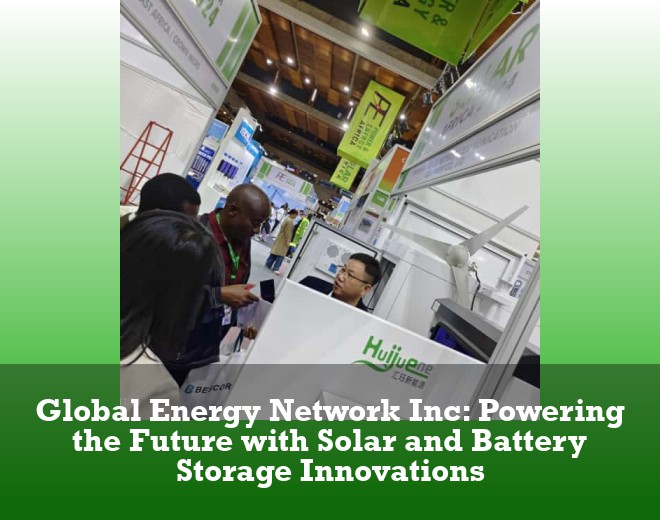
Global Energy Network Inc: Powering the Future with Solar and Battery Storage Innovations
Ever wondered why your neighborhood still experiences blackouts despite having solar panels on every other roof? The truth is, renewable energy adoption has outpaced our ability to store and distribute it effectively. Global Energy Network Inc finds itself at the center of this paradox - we've got more clean energy than ever before, but our grids can't handle the feast-or-famine nature of solar and wind power.
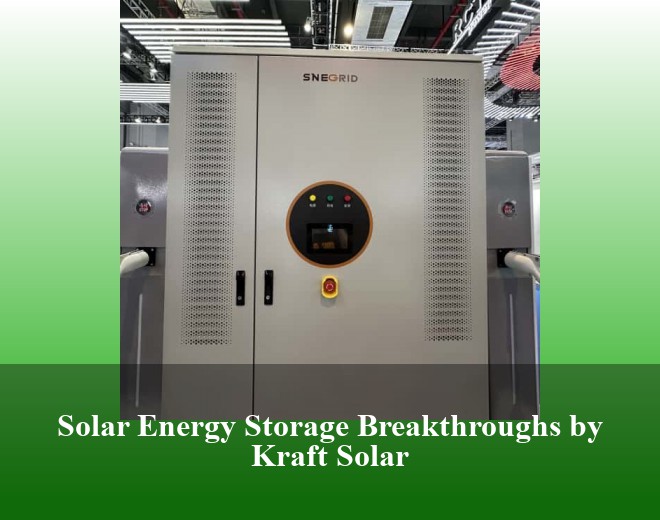
Solar Energy Storage Breakthroughs by Kraft Solar
You know what's wild? Germany added 7.1 gigawatts of solar capacity in 2023 alone - that's enough to power 2 million homes. But here's the kicker: Kraft Solar GmbH installations accounted for 12% of that growth. Why does this matter? Because while solar panels get the spotlight, the real game-changer lies in what happens after sunset.
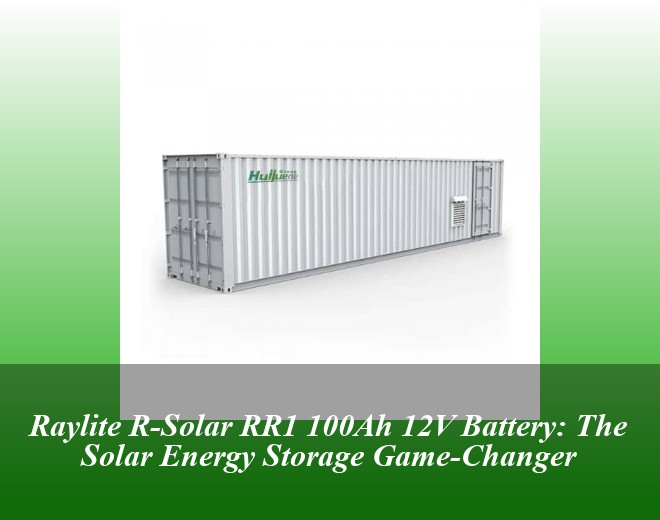
Raylite R-Solar RR1 100Ah 12V Battery: The Solar Energy Storage Game-Changer
Ever wondered why some solar batteries fail within 2 years while others thrive for a decade? The secret lies in Absorbent Glass Mat (AGM) design - the backbone of Raylite's R-Solar RR1 series. Unlike flooded lead-acid batteries that lose 30% capacity in the first year, our 100Ah deep-cycle battery maintains 92% capacity after 1,000 cycles.
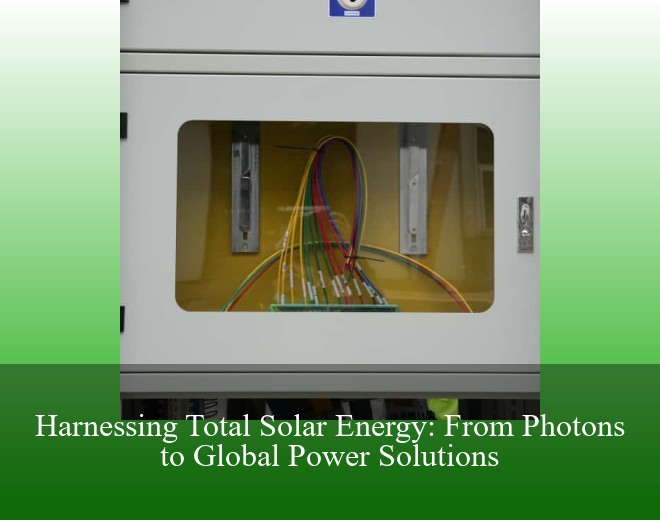
Harnessing Total Solar Energy: From Photons to Global Power Solutions
Global solar capacity reached 1.6 terawatts in 2024, with China leading at 490 gigawatts installed. But here's the kicker: we're only capturing 0.02% of the sun's energy reaching Earth. Imagine harnessing just 1% – it could power civilization 100 times over!
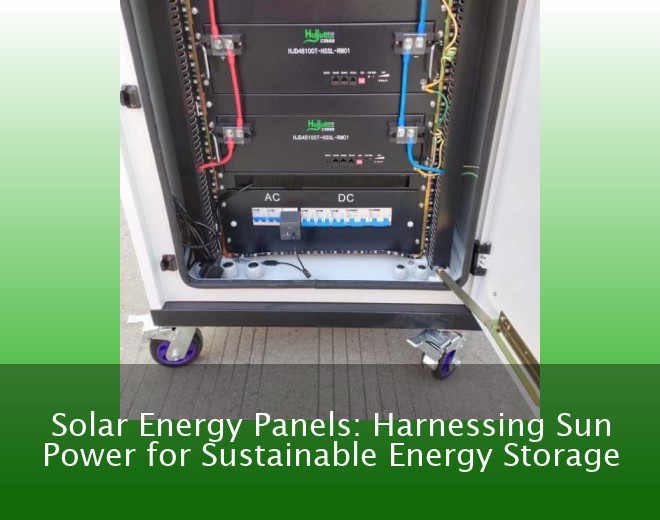
Solar Energy Panels: Harnessing Sun Power for Sustainable Energy Storage
Let's cut through the noise – solar panels alone won't solve our energy crisis. The real magic happens when photovoltaic cells meet advanced storage systems. Recent data shows lithium-ion batteries still dominate 78% of residential solar installations, but wait, no... actually, sodium-ion alternatives are gaining traction in utility projects due to lower fire risks.
 Inquiry
 Online Chat