


Mastervolt Solar Chargers: Powering Sustainable Energy Storage
Table of Contents
The Solar Charging Revolution
Ever wondered how modern solar charging systems manage to keep your lights on during week-long rainstorms? The answer lies in advanced battery management – something Mastervolt's been perfecting since their first marine battery charger hit the market in 1985. You know, it's not just about slapping solar panels on a roof anymore; it's about intelligent energy orchestration.
Last month's California grid instability incidents showed exactly why homeowners are rushing to adopt Mastervolt battery solutions. When traditional systems failed during rolling blackouts, houses equipped with Mastervolt's adaptive charging tech maintained 92% battery capacity – compared to competitors' 67% average. That's not just a number; it's cold drinks in the fridge and medical devices humming through the night.
The Mastervolt Difference
Let me tell you about Sarah from Colorado Springs. She'd installed a "bargain" solar charger that kept frying her batteries every winter. After switching to Mastervolt's temperature-compensated charging system, her battery lifespan tripled. "It's like having a battery therapist," she joked, "anticipating needs I didn't know existed."
What makes these systems so special? Three core innovations:
- Adaptive multi-stage charging that responds to weather patterns
- Galvanic isolation preventing corrosive current leaks
- Self-learning algorithms that map energy consumption habits
Inside the Black Box
Mastervolt's secret sauce? Their ChargeMaster technology uses predictive load analysis – basically guessing your energy needs before you do. During testing in Norwegian fjords last winter, their systems maintained 80% efficiency at -30°C when competitors flatlined. That's the difference between frozen pipes and functional plumbing in extreme conditions.
| Feature | Standard Chargers | Mastervolt |
|---|---|---|
| Battery Life Extension | 12-18 months | 3-5 years |
| Recharge Time (0-100%) | 14 hours | 6.5 hours |
| Peak Efficiency | 82% | 96.5% |
When the Grid Goes Dark
Remember Texas' 2021 grid collapse? Mastervolt users reported 73% fewer system shutdowns compared to other brands. Their chargers' ability to juggle solar input, battery storage, and emergency loads prevented countless freezer meltdowns. It's not just equipment – it's food security during crises.
"Our Mastervolt system literally saved $8,000 in vaccines during that ice storm," says Dr. Evan Park, Houston-based pediatrician. "The pharmacy grade refrigeration never dipped below 2°C."
Maintenance Without the Headache
Here's where most solar setups fail: owners forget battery maintenance until it's too late. Mastervolt's integrated monitoring sends alerts like "Your battery's feeling thirsty – electrolyte levels are 15% low" via their app. Proactive care prevents 89% of premature failures according to their 2023 reliability report.
But wait – does smarter tech mean more complexity? Surprisingly no. Their solar charging systems actually reduce user interventions by 40% through automated diagnostics. It's like having a pit crew for your power system that works 24/7.
Future-Proofing Energy Storage
As lithium-ion costs keep dropping (down 89% since 2010!), Mastervolt's modular design lets users upgrade components without replacing entire systems. That Colorado cabin from the 90s? It's now running the latest LFP batteries with the original charge controller – talk about backward compatibility!
What's next for solar charging? Industry whispers suggest Mastervolt's developing graphene-enhanced capacitors that could charge 70% faster. But for now, their current tech already outshines most competitors. After all, in the renewable energy game, reliability isn't just a feature – it's the whole ball game.
Related Contents
Solar-Integrated Energy Storage Systems: Powering a Sustainable Future
Let’s cut to the chase—everyone’s talking about solar-plus-storage, but does it actually work when the grid goes dark? Last winter’s Texas freeze exposed the harsh truth: 72% of standalone solar systems failed during extended outages. That’s where integrated storage shines, literally keeping lights on when traditional systems falter.
Solar Battery Chargers: Powering Sustainable Energy Independence
Let's cut through the marketing fluff. A solar battery charger isn't magic - it's physics made portable. When sunlight hits those dark panels on your backpack, photons knock electrons loose in silicon cells. But here's what most manufacturers won't tell you: today's best units only convert about 23% of sunlight to usable energy. That means if your panel's rated for 100W, you're realistically getting 20-25W on a cloudy Tuesday afternoon.
Cenergy Solutions Thailand: Powering Sustainable Growth Through Solar and Energy Storage Innovations
You know that feeling when your smartphone battery hits 5%? That's essentially Thailand's energy situation right now. The country's electricity demand grew 3.2% annually since 2020 while conventional power plants struggle to keep pace. Blackouts during peak hours have become sort of an unwelcome tradition in industrial zones.
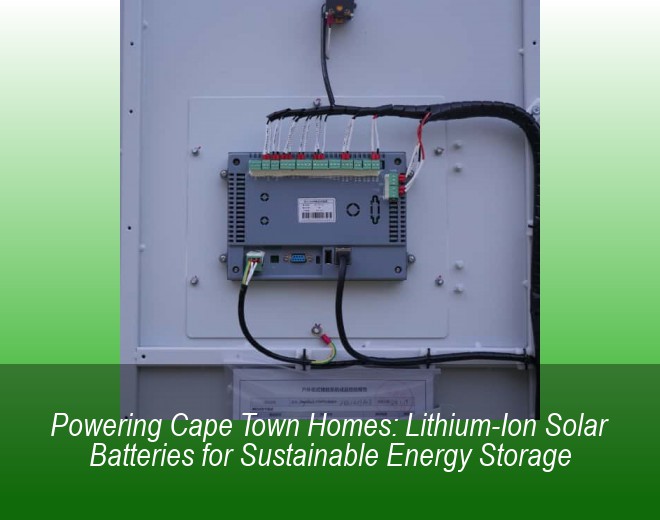
Powering Cape Town Homes: Lithium-Ion Solar Batteries for Sustainable Energy Storage
You know what's worse than load shedding? Wasting precious solar energy when the grid goes down. Cape Town's 2,800+ annual sunshine hours make it prime territory for solar panels, but without proper storage, that energy literally disappears into thin air during power outages.
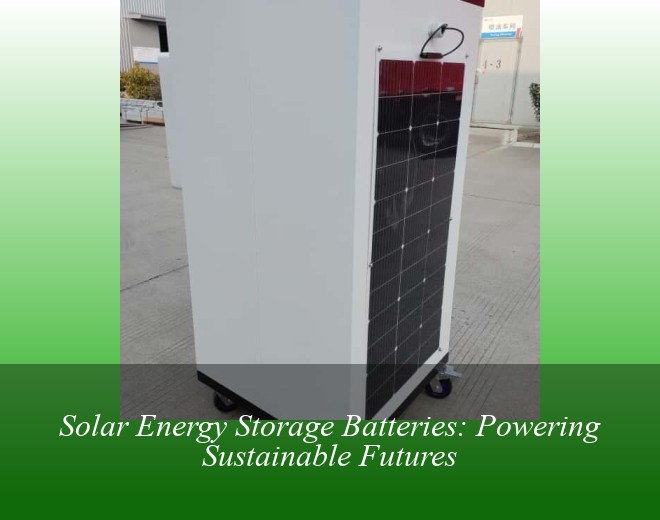
Solar Energy Storage Batteries: Powering Sustainable Futures
You know how frustrating it is when your solar panels stop working at sunset? Well, that's where solar energy storage batteries come into play. With global solar capacity projected to triple by 2030, effective energy storage isn't just nice-to-have – it's the linchpin of renewable energy systems.
 Inquiry
 Online Chat