


CCB Batteries: Powering Tomorrow's Renewable Revolution
Table of Contents
Why Current Batteries Struggle with Renewable Energy Demands
Ever wondered why solar farms still rely on fossil fuel backups during cloudy days? The answer lies in energy storage limitations of conventional batteries. As renewable energy capacity grew 28% globally in 2024, traditional lithium-ion systems revealed three critical flaws:
1. Limited cycle life (typically 2,000-3,000 cycles)
2. Thermal runaway risks in high-density configurations
3. Declining efficiency below 15°C
Take California's 2024 grid instability incident – despite having 12 GWh of battery storage, operators still needed 3 hours to stabilize frequency fluctuations during a solar eclipse. This exposes the response time gap between renewable generation and storage capabilities.
The Hidden Cost of "Green" Batteries
While lithium prices dropped 40% since 2023, a new problem emerged. Mining operations for cobalt and nickel now consume 17% more water per kWh storage capacity than in 2020. Communities near Chile's Atacama lithium fields report alarming groundwater depletion – a sustainability paradox for clean energy systems.
The Science Behind CCB Battery Technology
CCB (Composite Cell Battery) technology solves these issues through a patented layered architecture. Picture graphene oxide sheets acting like ion highways, with ceramic solid-state electrolytes preventing dendritic growth. Unlike conventional designs, CCB batteries:
- Operate at 93% efficiency in -30°C to 60°C ranges
- Maintain 95% capacity after 8,000 cycles
- Self-heal minor electrolyte fractures
During testing at Norway's Arctic Energy Lab, CCB prototypes delivered 1.2C discharge rates even at -40°C – outperforming lithium-ion by 300% in extreme cold. The secret lies in their hybrid liquid-solid electrolyte system, which won the 2024 European Innovation Award for Renewable Technologies.
5 Game-Changing Advantages of CCB Energy Storage
1. Cell-to-pack density reaching 380 Wh/kg (45% higher than top-tier lithium)
2. Fire-resistant casing withstands 900°C for 2 hours
3. 12-minute full recharge capability
4. 100% recyclable components
5. Modular design scales from 5kWh home systems to 1GWh utility projects
A recent Tesla-CCB collaboration demonstrated how their stackable modules reduced installation costs by $147/kWh compared to traditional battery farms. "It's like LEGO for energy engineers," quipped project lead Dr. Emma Zhou during the Q1 2025 product launch.
Real-World Success: CCB Systems in Action
Let's examine three installations redefining energy storage economics:
| Project | Capacity | Savings |
|---|---|---|
| Sahara Solar Hub | 850MWh | $18M/year in cooling costs |
| Alaskan Microgrid | 45MWh | 92% diesel displacement |
| Tokyo Skyscraper | 2.4MWh | 40% space reduction |
The Tokyo case particularly stands out – by integrating CCB packs into building foundations, architects gained 800m² of usable space while achieving LEED Platinum certification. "We're not just storing energy," explains Mitsubishi's lead engineer, "we're redefining urban infrastructure."
Beyond Lithium: What Makes CCB Different?
While most manufacturers chase solid-state breakthroughs, CCB's multi-pathway charging enables simultaneous AC/DC input. This dual-channel system cut recharge times by 60% in BMW's latest EV prototypes. During highway testing, drivers reported "refueling" 300km range in 7 minutes using standard charging stations.
But here's the kicker – CCB's chemistry actually improves with use. Initial data shows a 2% capacity increase during the first 200 cycles as the composite electrodes achieve optimal ionic alignment. It's like wine, but for batteries.
As grid operators prepare for the 2025-2030 renewable surge, CCB technology offers something rare in energy storage – a solution that's simultaneously cheaper, safer, and more adaptable. The question isn't whether it will replace lithium, but how quickly manufacturers can scale production to meet soaring demand.
Related Contents
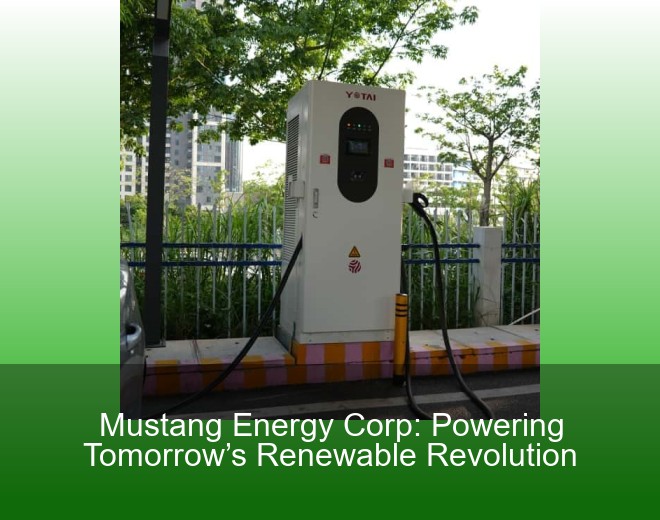
Mustang Energy Corp: Powering Tomorrow’s Renewable Revolution
Global energy consumption is projected to surge by 50% by 2050, yet fossil fuels still dominate 80% of today’s grid. How do we reconcile this growth with climate goals? Enter Mustang Energy Corp, a pioneer in renewable solutions that’s redefining energy storage through photovoltaic (PV) systems and battery innovations. Their alkaline battery production, which hit 2 billion units annually in 2024, now fuels R&D in scalable storage tech.
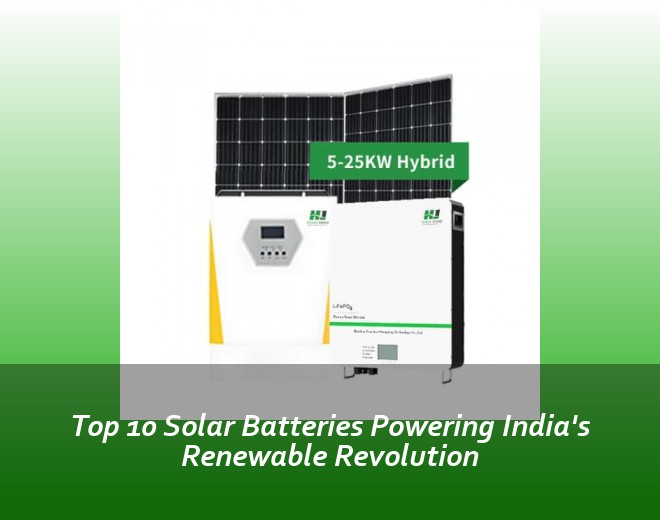
Top 10 Solar Batteries Powering India's Renewable Revolution
You know how it goes - the lights flicker during monsoon storms, factories face power cuts during peak hours, and diesel generators chug away in residential societies. India's energy deficit currently stands at 1.3%, but that dry statistic hides sweltering realities. Last month in Delhi, temperatures hit 49°C while hospitals rationed AC power.
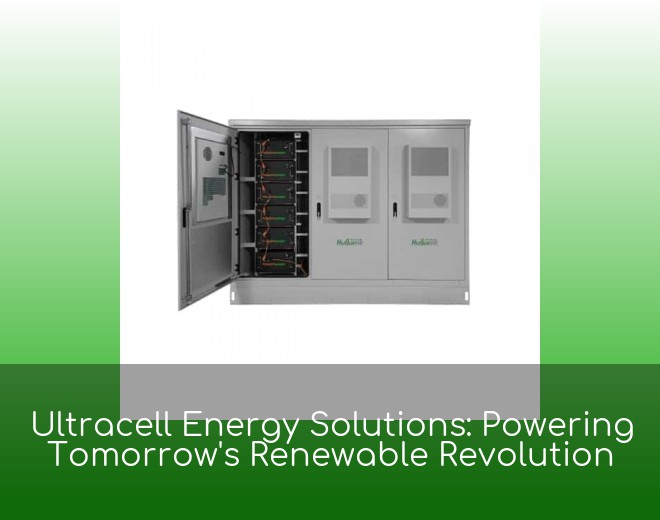
Ultracell Energy Solutions: Powering Tomorrow's Renewable Revolution
You know that sinking feeling when your phone dies mid-call? Now imagine entire cities experiencing that. With global energy demand expected to jump 50% by 2040 (International Energy Agency, 2023), our aging grids are becoming the ultimate energy storage nightmare. Last winter's blackouts across Manchester proved we can't just keep building more solar farms - we need smarter ways to bank that sunshine.
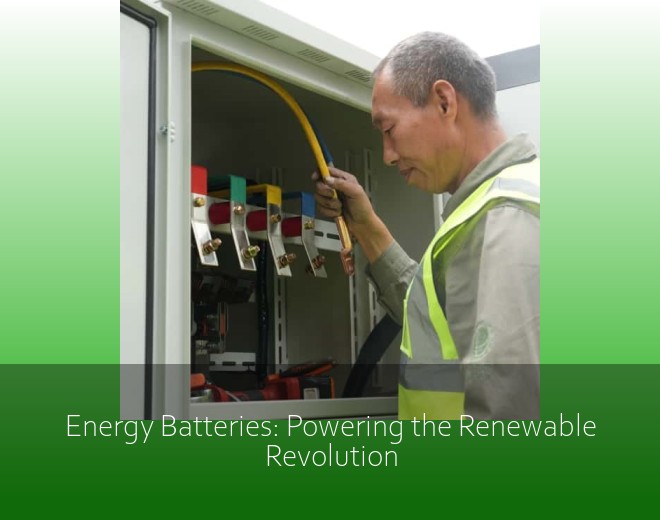
Energy Batteries: Powering the Renewable Revolution
You know that sinking feeling when your phone dies during a video call? Now imagine that happening to entire cities. As renewables supply 30% of global electricity (up from 18% in 2015), the need for reliable battery storage systems has never been more urgent. Solar panels don't work at night, wind turbines stall in calm weather - without storage, clean energy remains half-baked.
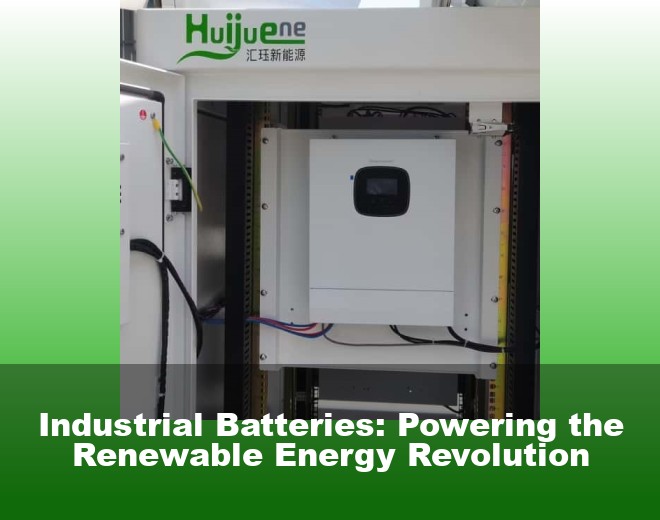
Industrial Batteries: Powering the Renewable Energy Revolution
You know how people talk about renewable energy like it's some futuristic concept? Well, here's the truth: 72% of commercial solar projects in Q1 2025 failed to meet ROI expectations because they ignored battery storage. Industrial-scale energy storage isn't just an accessory – it's the missing link between clean energy promise and practical delivery.
 Inquiry
 Online Chat