


Home Solar Power Systems: Cutting Energy Bills and Achieving Energy Independence
Table of Contents
Why Home Solar Matters Now More Than Ever
Ever opened your electricity bill and felt that sinking sensation? You're not alone. U.S. households saw average electricity prices jump 5.3% last quarter alone. But here's the kicker - while utility rates keep climbing, solar panel costs have dropped 62% since 2010. That's why over 3 million American homes have already made the switch to photovoltaic systems.
Let's face it, the old energy model's broken. Last winter's grid failures in Texas showed how fragile our centralized power systems are. A well-designed home solar setup with battery backup could've kept lights on when traditional grids failed.
The Nuts and Bolts of Residential Solar
Modern photovoltaic systems aren't your grandpa's clunky rooftop arrays. Today's setups combine:
- High-efficiency solar panels (22%+ conversion rates)
- Smart inverters that talk to your utility
- Lithium-ion batteries with 10+ year lifespans
Take the Johnson family in Phoenix. They installed a 8kW system last spring. By December, they'd slashed their electricity costs by 80% while actually earning $127 through net metering credits.
Beyond the Sales Pitch: Actual Financials
Alright, let's cut through the marketing fluff. A typical 6kW system costs $18,000 before incentives. But with the renewed 30% federal tax credit and state rebates? You're looking at $12,600 out-of-pocket.
Now here's where it gets interesting - most homeowners break even in 6-8 years now, compared to 12+ years a decade ago. And with panels lasting 25-30 years? That's 17+ years of essentially free power.
Why Batteries Change Everything
Solar alone is good. Solar plus storage? Game-changing. Today's home battery systems like the Tesla Powerwall can:
- Store excess daytime energy for night use
- Provide backup during outages
- Even help balance grid demand during peak hours
California's recent "battery bonus" program pays homeowners up to $200/kWh for sharing stored power during crunch times. Suddenly, your garage becomes part of the clean energy revolution.
The Unvarnished Truth About Installation
Not every roof is solar-ready. South-facing roofs with 15-40° slope work best, but modern systems can adapt. The real deal-breaker? Shading from trees or neighboring buildings.
Here's something installers might not emphasize - solar panel efficiency drops about 0.5% annually. That means your 22% efficient panels will still operate at 85% capacity after 20 years. Not bad, but crucial to factor into long-term plans.
Maintenance-wise, you'll need to clear snow (if you're up north) and occasionally hose off pollen. Most systems include monitoring apps that alert you to any performance dips - sort of like a fitness tracker for your home's energy health.
Looking ahead, new perovskite solar cells hitting the market in 2026 promise 30%+ efficiency at lower costs. But should you wait? Probably not - current tech already pays for itself, and you can always add newer panels later.
Related Contents
Residential Solar Power Systems: Cutting Energy Costs with Smart Home Solutions
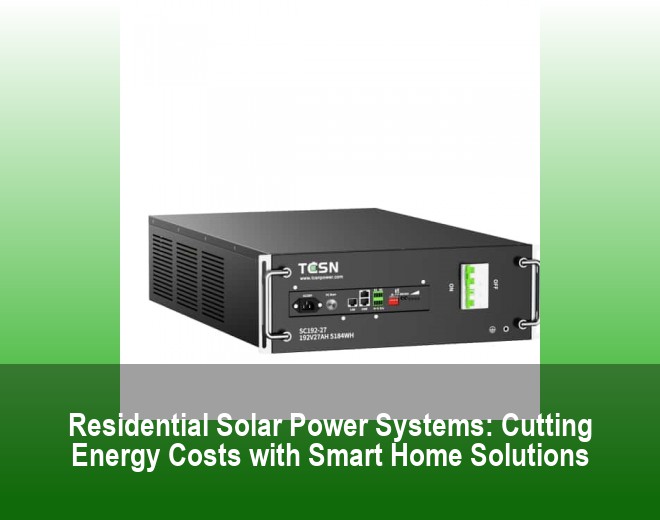
Did you know the average American household spends $2,800 annually on electricity? That's more than double what we paid in 2004 when adjusted for inflation. The kicker? Utility rates keep climbing at 3.2% annually while solar panel costs have plummeted 72% since 2010. It's like watching a slow-motion train wreck - unless you've got an escape plan.
Home Solar Storage Systems: Solving Energy Independence in 2025
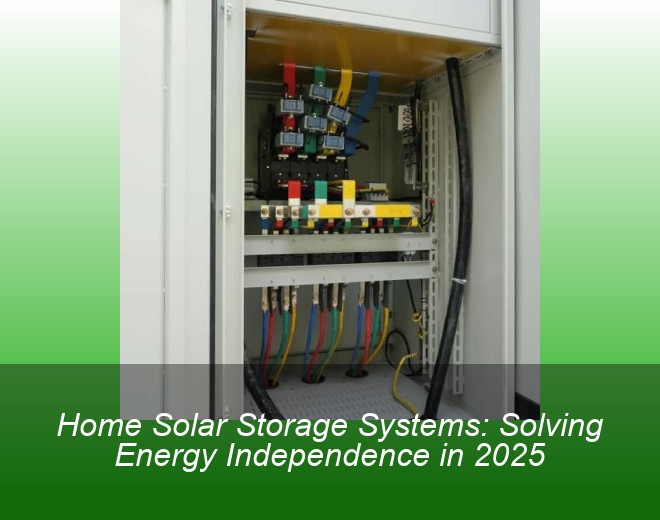
Ever wondered why your neighbor installed those sleek solar panels with a bulky battery last month? Well, they're part of the 18 million households globally adopting home solar storage systems by Q1 2025 – a 300% increase since 2020. The real kicker? Traditional grid electricity prices have jumped 22% in the US this winter alone.
Solar Home Systems: Energy Independence Made Simple
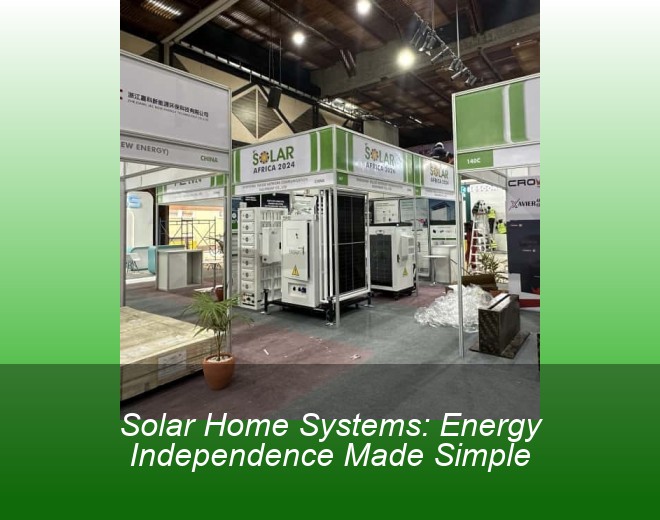
Last winter, the Smith family in Colorado saw their heating costs jump 40% - and they're not alone. Across the U.S., residential electricity prices have increased 15% since 2020. But here's the kicker: solar home systems with battery storage could've saved them $1,200 annually.
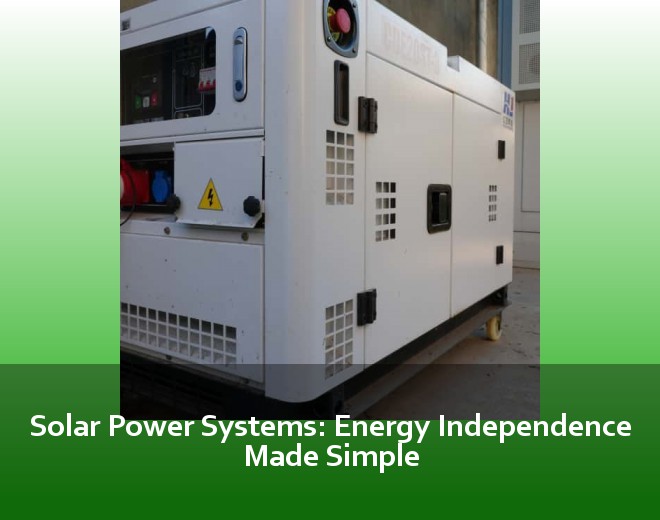
Solar Power Systems: Energy Independence Made Simple
Ever wondered why solar power plants suddenly became the rock stars of energy infrastructure? The answer lies in three converging factors: plunging equipment costs (down 82% since 2010), government incentives, and frankly, some pretty slick battery tech we'll explore later.
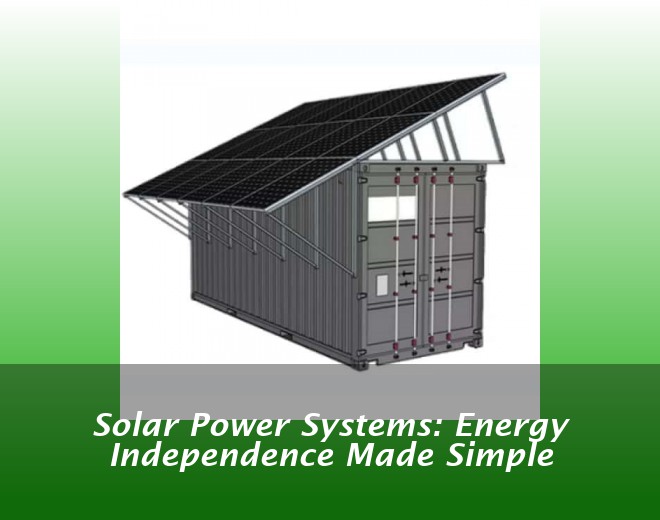
Solar Power Systems: Energy Independence Made Simple
Let's start with the basics—solar power systems aren't just rooftop decorations. They're sophisticated energy harvesting machines converting sunlight into usable electricity through photovoltaic cells. Remember when residential solar required football field-sized installations? Today's systems generate 20% more power using 30% less space compared to 2015 models .
 Inquiry
 Online Chat