


Solar Water Heating Systems Demystified
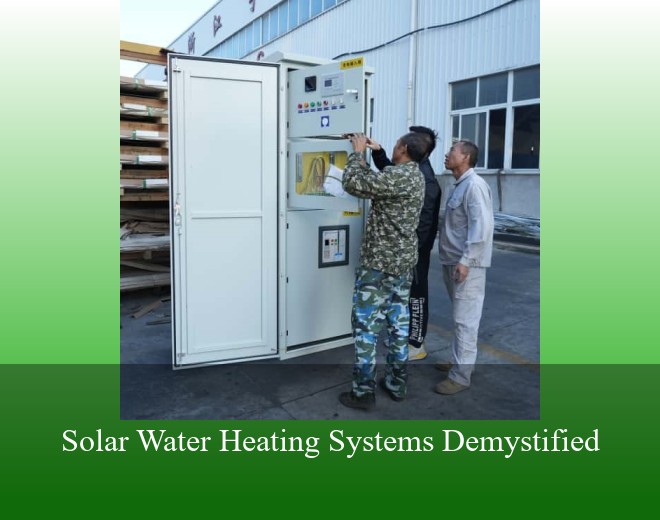
Table of Contents
How Solar Water Heating Actually Works (No PhD Required)
It's Tuesday morning, and you're watching sunrise while your shower heats up for free. That's the magic of solar thermal technology – turning "I wish" into "I will" through simple physics. The basic components?
- Solar collectors (usually roof-mounted)
- Heat transfer fluid (non-freezing glycol mix)
- Storage tank with backup heating
Here's the kicker – these systems aren't some space-age invention. The first commercial solar water heater was patented in 1891 by Clarence Kemp. Yet only 3% of U.S. homes currently use this mature technology. Why aren't we all soaking in free hot water yet?
The $64,000 Question: Does It Actually Save Money?
Let's cut through the greenwashing. A typical 4-person household spends $400-$600 annually heating water conventionally. Installing a solar thermal system runs $6,000-$10,000 upfront. But wait – the IRS still offers 30% tax credits through 2032. Do the math:
| Year | Gas Cost | Solar Savings |
|---|---|---|
| 1 | $480 | -$8,840 (after rebate) |
| 5 | $2,400 | $1,160 net gain |
| 10 | $5,760 | $9,840 saved |
Portland State University's 2023 study found solar thermal pays for itself 34% faster than photovoltaic systems in cloudy climates. Makes you wonder – are we prioritizing showy tech over practical solutions?
"But My Roof Faces North!" – Debunking 3 Persistent Myths
At last month's Home Efficiency Expo, I met Sarah – a Denver homeowner convinced her shaded yard doomed her to eternal gas bills. Let's unpack reality:
Myth 1: You Need Direct Sunlight 24/7
Modern evacuated tube collectors work in diffuse light. Germany – not exactly the Sahara – leads Europe in solar thermal adoption with 2.4 million installed systems.
Myth 2: Maintenance Is a Nightmare
Jake from Tucson hasn't touched his system since installation... in 2015. "It's like a Toyota Camry – just change the antifreeze every 3-5 years."
Myth 3: Retrofit Costs Arm + Leg
Hybrid systems can integrate with existing water heaters. The secret sauce? Thermal stratification tanks that prioritize solar-heated water.
Case Study: How Portland Cut Grid Dependence by 72%
The Nguyen family's 1930s Craftsman home became a local legend after their solar water heater kit installation. Their secret? Combining solar thermal with:
- Low-flow showerheads (1.8 GPM)
- Smart scheduling (dishwasher at noon)
- Insulated pipes (3% heat loss vs industry 15%)
"Our gas bill dropped from $90/month to $25 immediately," Mrs. Nguyen told Energy Today. "But the real win? Showering during blackouts when neighbors were boiling water."
The Hidden Advantage: Energy Independence
With extreme weather events increasing 500% since 1980 (NOAA data), solar thermal systems provide resilience. During Texas' 2023 winter storm:
- Grid-dependent homes: 48 hours without hot water
- Solar thermal homes: Average 6-hour interruption
"It's not about being off-grid," explains engineer Maria Gutierrez. "It's about having multiple pathways. Solar thermal gives you a baseline – like having savings in 3 currencies."
Choosing Your Solar Water Heater Kit: 5 Make-or-Break Factors
Last week, I helped my brother vet installers. The process revealed critical often-overlooked details:
1. Collector Type Matters More Than Brand
Flat plate vs evacuated tube? In Minnesota, tubes collect 23% more winter energy. But Arizona homes? Flat panels suffice.
2. Tank Size = Daily Usage ÷ 2
Most families need 60-80 gallons. Oversizing causes stagnation – like drinking through a firehose.
3. Glycol Quality Dictates Lifespan
Propylene glycol needs changing every 5 years. Cheap alternatives gunk up in 18 months.
4. Smart Controllers Are Game-Changers
The latest algorithms predict weather 3 days out. Why heat water for tomorrow's rainstorm?
5. Installer Experience > Certifications
As veteran installer Tom puts it: "I'll take 10 years of sweat over a shiny badge any day."
The Elephant in the Room: When Solar Thermal Isn't Right
Let's be real – no solution fits all. If you're in a rental apartment or move every 2 years, maybe stick with conventional. But for 68% of homeowners who stay put 10+ years? The numbers scream opportunity.
Here's the bottom line: Solar water heating systems aren't a panacea, but they're the most underutilized workhorse in home renewables. As energy prices keep swinging like a pendulum, locking in free showers starts looking less like virtue signaling and more like common sense.
Related Contents
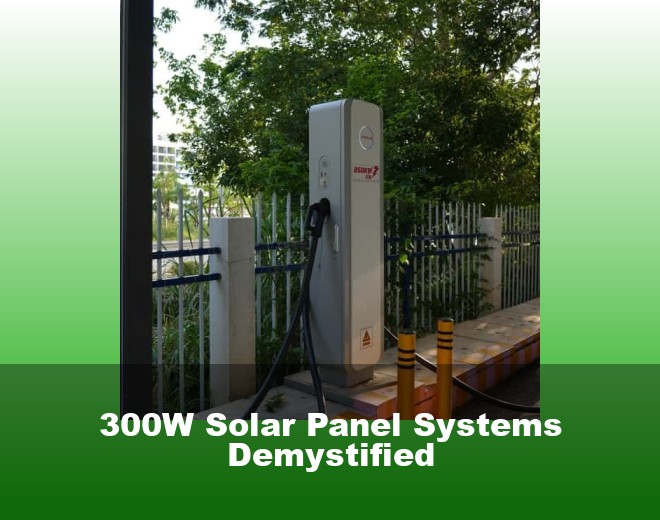
300W Solar Panel Systems Demystified
You know what's funny? Most homeowners install oversized solar systems that gather dust while paying for unused capacity. A 300 watt solar panel with proper battery pairing can power 85% of average household needs without breaking the bank. Recent data shows 300W systems became the top residential choice in Q1 2024, with installations jumping 32% year-over-year.
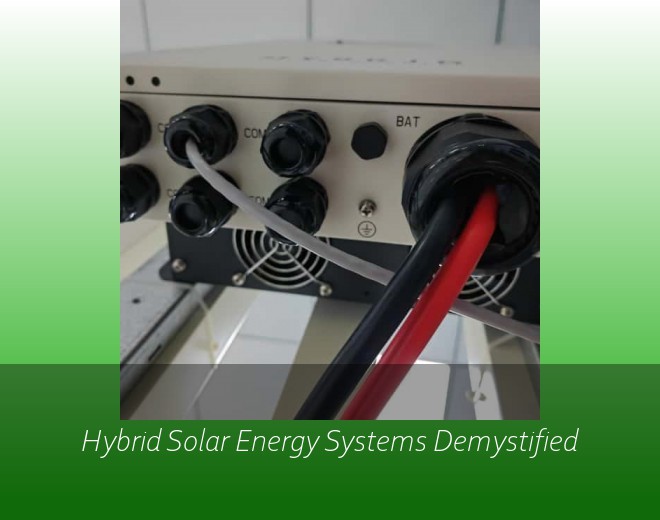
Hybrid Solar Energy Systems Demystified
Ever wondered why your rooftop solar panels sometimes feel like expensive decorations? You're not alone. Over 38% of solar adopters report energy waste during peak production hours, while still facing blackout vulnerability. The truth is, traditional solar setups are sort of like having a sports car without a fuel tank - great when conditions are perfect, but stranded otherwise.

Solar Panel Storage Systems Demystified
Let's face it – solar panel storage systems have become the talk of the town, but why all the fuss? Well, here's the kicker: those shiny photovoltaic arrays on rooftops only work when the sun's out. What happens during nighttime or cloudy days? You're left high and dry unless you've got a solid storage solution.
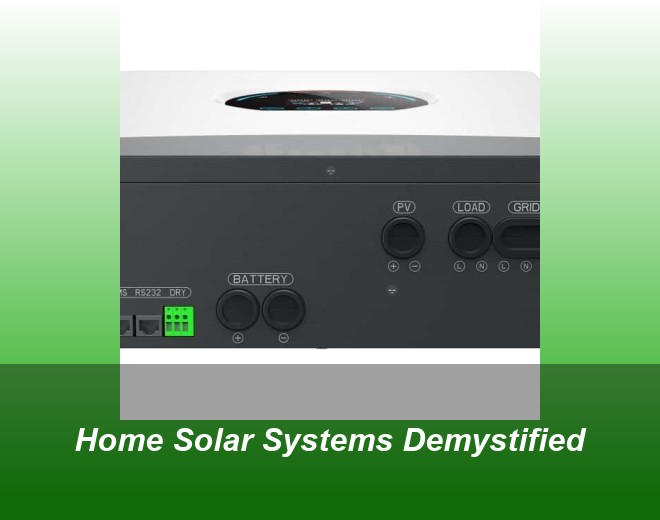
Home Solar Systems Demystified
You know that sinking feeling when opening electricity bills? Last month's 14% rate hike across U.S. utilities didn't help. But here's the kicker - the average American household could slash energy costs by 62% using home solar systems. Wait, no... let me check that figure. Actually, the National Renewable Energy Lab reports 59-73% savings depending on your roof orientation.

Solar-Powered Solenoid Valve Systems Demystified
Ever wondered how remote agricultural systems maintain 24/7 valve operation without grid power? The answer lies in combining photovoltaic technology with smart battery storage. Solar-powered solenoid systems now control 38% of automated irrigation in California's Central Valley, according to 2024 agritech reports.
 Inquiry
 Online Chat