


Hydroelectric Energy Storage: Bridging Power Gaps
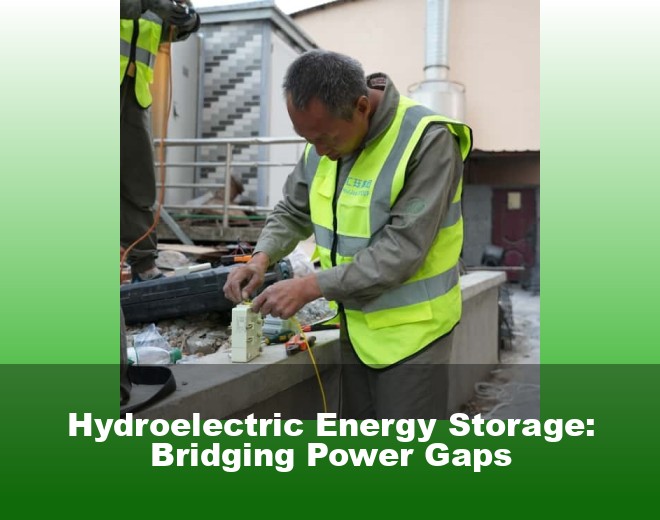
Table of Contents
The Grid Stability Crisis
Ever wondered why your lights stay on despite cloudy days halting solar production? The secret lies in hydroelectric energy storage – the silent workhorse of renewable grids. As wind and solar installations grew 42% globally last year, their intermittent nature exposed a critical vulnerability: sunlight and wind don't follow electricity demand patterns.
Here's the kicker – during California's 2023 heatwave, grid operators paid $1,700 per MWh for emergency power while simultaneously dumping excess solar energy. This paradox highlights our urgent need for large-scale energy arbitrage solutions.
How Water Holds the Answer
Enter pumped storage hydropower (PSH), the OG of grid-scale batteries. two reservoirs separated by elevation. When power's abundant, water gets pumped uphill. During shortages, it cascades down through turbines. Simple physics, right? But how does this century-old technology stay relevant in our solar-powered era?
The magic happens in the numbers:
- 80% round-trip efficiency (compared to lithium-ion's 90% with faster degradation)
- 50+ year operational lifespan
- Million-megawatt-hour storage capacity per installation
The Pumped Storage Dominance
China's Fengning plant exemplifies modern PSH – its 3.6GW capacity can power 3 million homes for 7 hours. The facility uses adjustable-speed turbines that respond to grid signals within 30 seconds. That's faster than most natural gas peaker plants!
But wait, isn't PSH geographically limited? True, but recent innovations like underground reservoirs and seawater systems are breaking terrain barriers. Japan's Okinawa seawater PSH prototype achieved 76% efficiency despite corrosive conditions – proving saltwater isn't necessarily a deal-breaker.
The Hidden Environmental Trade-Off
Let's not sugarcoat it – flooding valleys impacts ecosystems. However, modern projects now incorporate fish-friendly turbines and sediment management systems. The Bath County facility in Virginia actually improved local trout habitats through controlled water releases.
Real-World Success Stories
Scotland's Cruachan Power Station offers a masterclass in grid stabilization. During February's "wind drought," its 440MW capacity provided 10% of Scotland's electricity for 22 hours straight. The station's been operational since 1965 – longer than most nuclear plants.
Meanwhile, Australia's Snowy 2.0 project demonstrates 21st-century ambition. When completed, it'll store 350,000MWh – enough to power Sydney for 7 days. The project uses tunnel boring machines from London's Crossrail project, showcasing global technological cross-pollination.
Beyond the Reservoir
While PSH dominates, novel approaches emerge. Canadian startup Hydrostor combines compressed air with water columns for "dry" energy storage. Their Goderich facility achieves 60% efficiency with lower geographical constraints – not perfect, but promising for flat regions.
The industry's also eyeing hydrogen hybridization. Imagine using surplus wind power to produce hydrogen during pumping cycles. During discharge periods, hydrogen could boost turbine output. Pilot projects in Norway suggest this combo could push overall efficiency above 85%.
As climate extremes intensify, hydroelectric storage evolves from supporting actor to grid backbone. The technology's staying power proves that sometimes, the best solutions are those that work with nature's rhythms rather than against them.
Related Contents
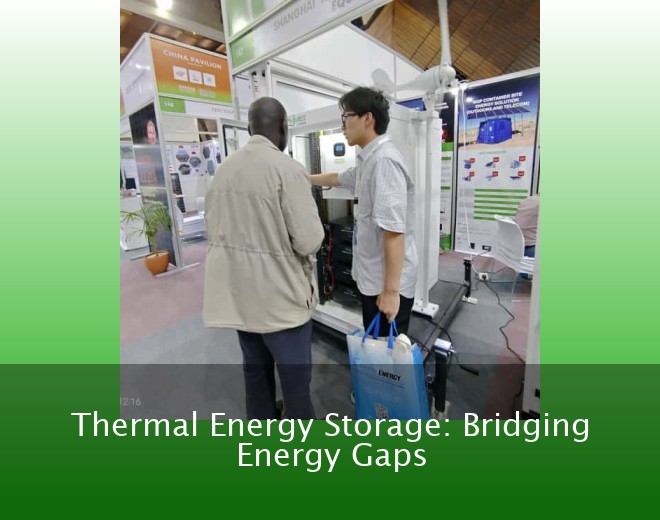
Thermal Energy Storage: Bridging Energy Gaps
Ever wondered why thermal energy storage isn’t dominating renewable energy conversations? While solar panels and wind turbines steal the spotlight, storing excess heat could solve 40% of grid instability issues according to 2024 NREL data. This silent workhorse captures surplus energy - whether from solar farms or industrial processes - preserving it as heat for later use.
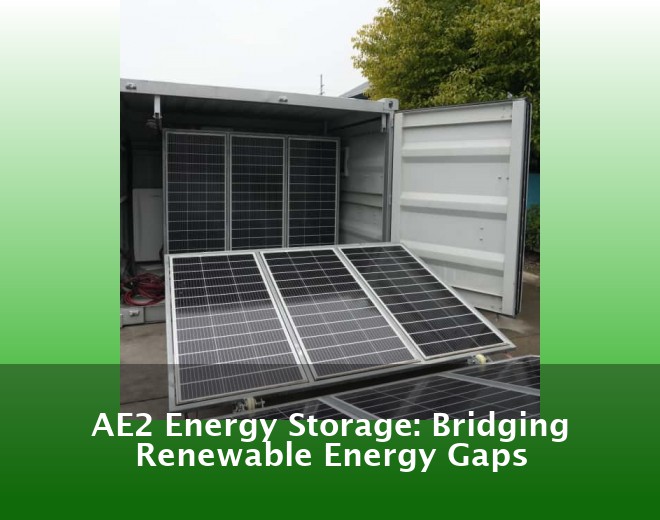
AE2 Energy Storage: Bridging Renewable Energy Gaps
You know that feeling when your phone dies right when you need it most? Now imagine that frustration multiplied by 10 million – that's essentially what's happening to renewable energy grids worldwide. Despite hitting record solar installations in Q1 2025 (a whopping 42% increase year-over-year), we're still wasting enough clean energy annually to power Germany for six months.
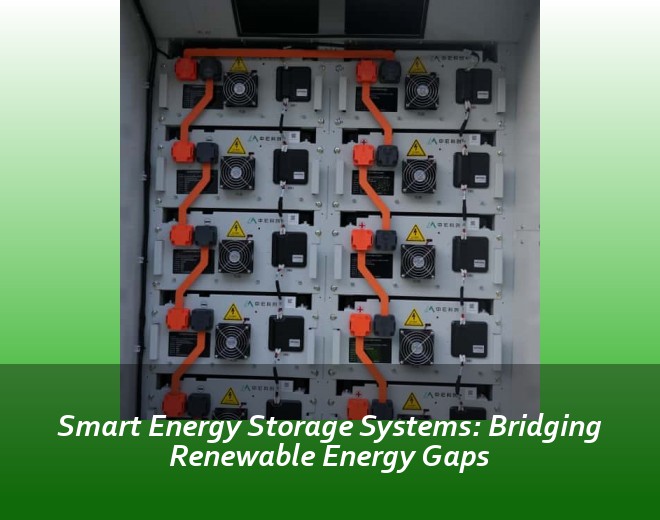
Smart Energy Storage Systems: Bridging Renewable Energy Gaps
Ever wondered why we can't just power everything with solar and wind? The truth is, renewable energy intermittency creates a rollercoaster effect on power grids. Solar panels sit idle at night while wind turbines freeze during calm spells - it's like trying to drink from a firehose that keeps turning on and off.
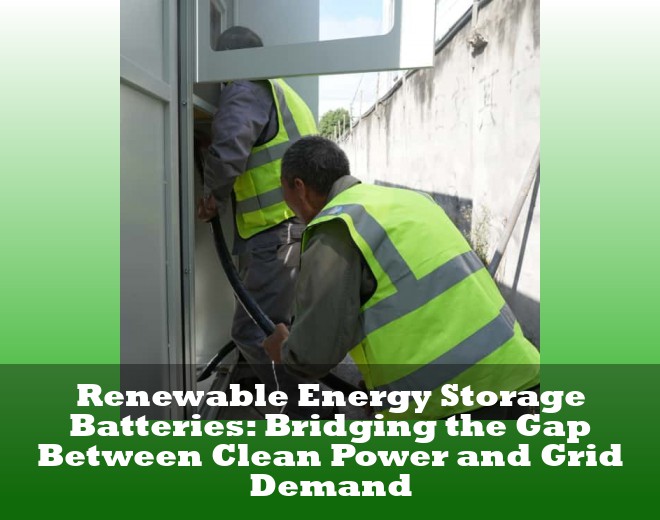
Renewable Energy Storage Batteries: Bridging the Gap Between Clean Power and Grid Demand
You know that frustrating moment when your phone dies right as you're capturing a perfect sunset? Now imagine that happening to entire cities powered by renewable energy storage batteries. Solar panels go dark at night. Wind turbines stand still on calm days. This intermittency gap costs the global economy $9 billion annually in wasted clean energy.
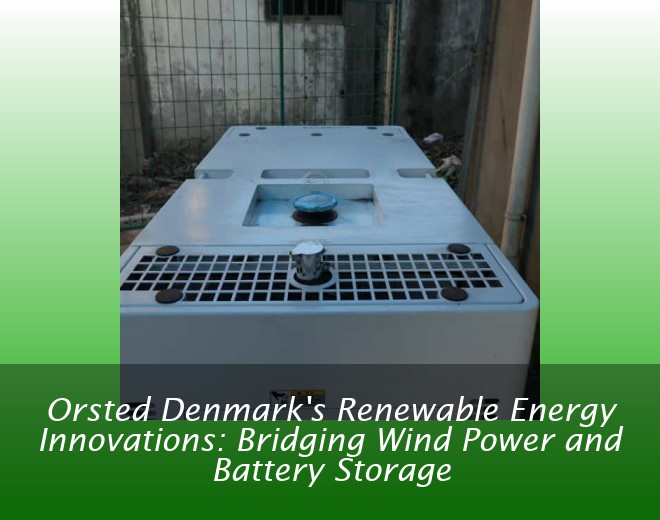
Orsted Denmark's Renewable Energy Innovations: Bridging Wind Power and Battery Storage
You know how people keep saying wind power's too unreliable? Well, Orsted Denmark is tackling that head-on. Their Hornsea 3 offshore wind project recently made waves by integrating Tesla's Megapack battery system – a first-of-its-kind marriage between massive wind generation and utility-scale storage .
 Inquiry
 Online Chat