


Solar Panel to Battery: The Complete Guide
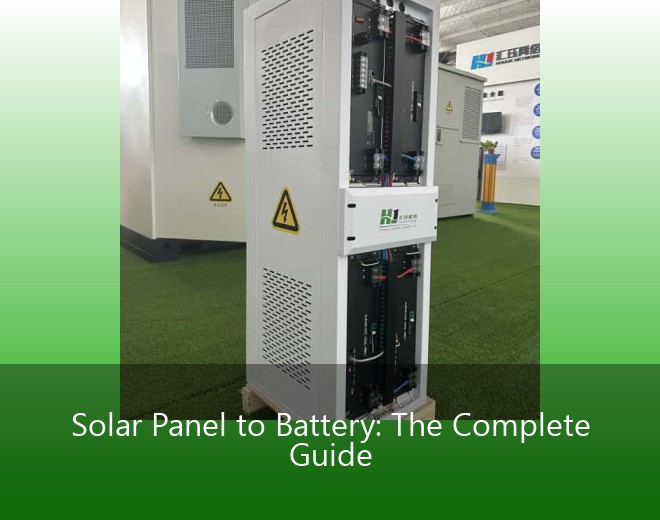
Table of Contents
Why Solar Panel to Battery Systems Are Changing Energy
You know, California just hit 95% renewable energy for 6 hours straight last month - but what happens when the sun isn't shining? That's where battery storage becomes crucial. Let me tell you about Mrs. Thompson in Phoenix who kept her medical devices running during a blackout using her DIY solar-to-battery setup.
The Nighttime Problem
Solar panels produce zero energy at night. Without storage, you're basically pouring 40% of potential savings down the drain. The math's simple:
| System Type | Energy Utilization |
|---|---|
| Solar Only | 55-60% |
| Solar + Battery | 88-92% |
Connection Basics: What You Need
Here's the secret sauce - it's not just about wires and volts. You need three key components:
- A decent charge controller (the traffic cop of your system)
- Proper cable gauges (thicker isn't always better)
- Safety disconnects (because lithium fires aren't fun)
Wait, no - actually, let's correct that. Cable thickness does matter for voltage drop over distance. A 20-foot run needs different wiring than a 5-foot connection.
Charge Controllers: The Unsung Heroes
MPPT vs PWM controllers? MPPT units can squeeze 30% more efficiency from your panels, but cost twice as much. For small setups, PWM might make more sense. It's sort of like choosing between a sports car and a reliable sedan.
Real-World Installation Challenges
When Tesla installed their Powerwall systems in Germany last quarter, they found something unexpected. Existing wiring in 60% of homes couldn't handle the surge currents. This isn't just a technical detail - it's a safety issue that could void insurance policies.
"Proper solar battery connection requires understanding both physics and local building codes" - J. Martinez, Lead Installer
Temperature Surprises
Batteries hate extremes. Lithium-ion cells lose 20% capacity at -10°C. In Arizona summers, thermal runaway becomes a real risk. The solution? Climate-controlled enclosures adding $800-$1,200 to installation costs.
Future-Proofing Your System
With new battery chemistries emerging (solid-state, flow batteries), should you wait before connecting? Probably not. Current LiFePO4 systems can last 15 years - just ensure your charge controller can handle future voltage ranges.
Hybrid Systems: The Smart Choice
More homeowners are combining grid-tied and off-grid capabilities. When Texas faced rolling blackouts in July, hybrid systems automatically switched to backup power while selling excess energy during peak hours. Talk about having your cake and eating it too!
At the end of the day, connecting solar panels to batteries isn't rocket science - but it does require careful planning. Start small, prioritize safety, and remember: every watt you store today is energy independence you're banking for tomorrow.
Related Contents
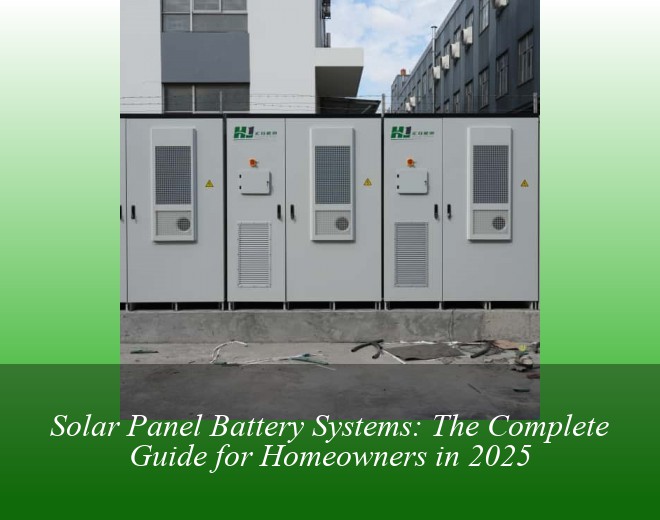
Solar Panel Battery Systems: The Complete Guide for Homeowners in 2025
Ever wondered why 42% of solar adopters regret not adding battery storage initially? The answer lies in our changing energy landscape. With utility rates jumping 8.3% nationally this quarter alone, homes without battery backups are essentially pouring sunlight down the drain.
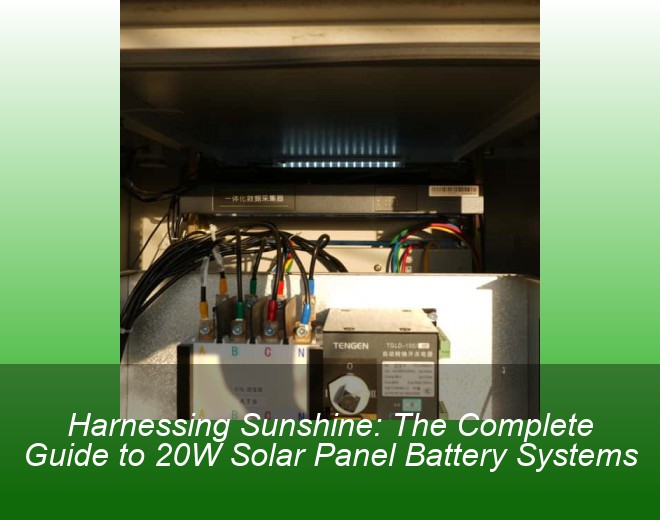
Harnessing Sunshine: The Complete Guide to 20W Solar Panel Battery Systems
Ever tried charging your phone during a weekend camping trip? Or maybe keeping your RV fridge running without hookups? That's where 20-watt solar power solutions come in clutch. While everyone's talking about megawatt solar farms, there's a quiet revolution happening in portable energy.
Harnessing Solar Power: The Complete Guide to 9V Solar Panels with Battery Systems
Ever found yourself stranded with dead devices during a camping trip? That's where 9-volt solar battery systems become game-changers. Unlike their bulkier 12V cousins, these compact units have seen a 15% surge in adoption since 2022 according to REA's latest market report. But why the sudden hype?
How Many Watts Solar Panel to Charge a 12V Battery: Complete 2025 Guide
Let’s cut through the confusion: Your solar panel wattage depends entirely on battery size. A 12V 100Ah battery needs different treatment than a 12V 20Ah unit. Think of it like filling swimming pools—you wouldn’t use a garden hose for an Olympic-sized pool, right?
400-Watt Solar Panel Kit with Battery: Your Complete Guide to Off-Grid Power
Ever wondered why RV owners and off-grid enthusiasts are switching to 400W systems faster than you can say "climate change"? Let's face it – energy bills are eating into budgets like termites through softwood. A typical 400W photovoltaic array generates 1.6-2.4 kWh daily, enough to power essentials like refrigerators (150W) and LED lighting systems without breaking a sweat.
 Inquiry
 Online Chat