


Energy Companies in Sweden: Renewable Leadership
Table of Contents
The Nordic Powerhouse of Sustainable Energy
You know how some countries talk about renewable energy while others actually live it? Sweden generates over 60% of its electricity from hydro and wind power, with plans to hit 100% renewable targets by 2040. But how did this nation of 10 million become the silent giant of clean energy?
The Policy Engine Driving Change
Back in 2023, Sweden introduced carbon pricing that made fossil fuels 30% more expensive than alternatives. This bold move created what industry analysts call "the green domino effect" - where energy companies rapidly shifted investments to solar farms and offshore wind projects.
Trailblazers Transforming Sweden's Grid
Let me tell you about Vattenfall - they're not your grandpa's utility company. Last month, they completed the world's first hydrogen-blend steel plant powered entirely by offshore wind turbines. Their Lillgrund Wind Farm near Malmö generates enough electricity for 60,000 households annually.
Solar Innovators Changing the Game
Eolus Vind recently unveiled floating solar panels that track sunlight across lakes. "Our system produces 40% more energy than fixed land installations," explains CEO Per Witalisson. The technology addresses Sweden's limited flat terrain while preventing water evaporation.
When the Wind Doesn't Blow
Here's the challenge everyone faces: How do you store renewable energy for those still Nordic nights? Northvolt's new "Voltpack" battery systems use lithium-ion cells with 95% recycled materials. Their Skellefteå factory now produces enough storage capacity annually to power 300,000 electric vehicles.
Revolution in Residential Energy
Stockholm-based startup Ellevio has deployed 50,000 smart meters that:
- Optimize energy use during off-peak hours
- Automatically sell surplus solar power to neighbors
- Predict maintenance needs using AI algorithms
Powering Towns, Empowering People
Take the coastal town of Simrishamn - population 6,500. After installing 12 wind turbines and a community battery bank, residents now pay 22% less for electricity while funding local schools through energy profits. Mayor Lena Bengtsson notes: "We've become our own micro-utility, proving sustainability scales at any size."
The Workforce Behind the Transition
Over 150,000 Swedes work in renewable energy sectors - that's 3% of the entire workforce. Vocational schools now offer specialized programs in:
- Offshore wind turbine maintenance
- Solar panel recycling techniques
- Smart grid cybersecurity
As we wrap up, remember this: Sweden's energy revolution isn't about flashy tech alone. It's a carefully engineered ecosystem where policy, innovation, and community needs align like gears in a perfectly calibrated machine. The real question isn't whether other nations can follow suit - it's how quickly they'll realize they must.
Related Contents
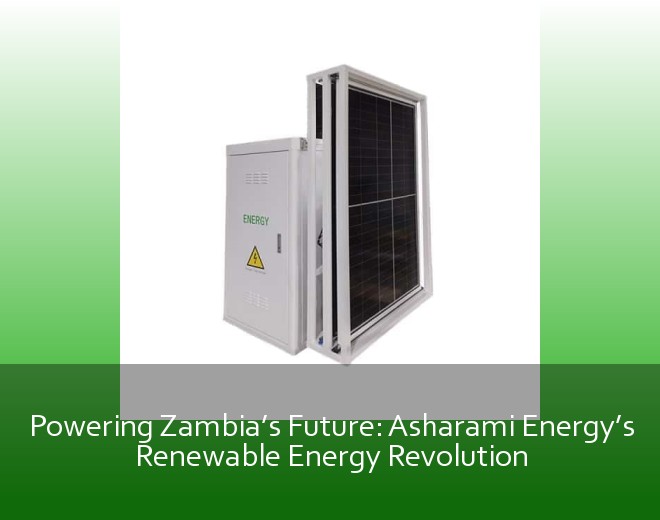
Powering Zambia’s Future: Asharami Energy’s Renewable Energy Revolution
Why has Zambia, blessed with 3,000 hours of annual sunshine, struggled to electrify 68% of its rural population? The answer lies in an outdated energy mix where hydropower dominates 85% of electricity generation – a precarious strategy in the face of climate change-induced droughts. Remember the 2019 power rationing that cost Zambia’s copper mines $300 million in lost production? That’s the canary in the coal mine.
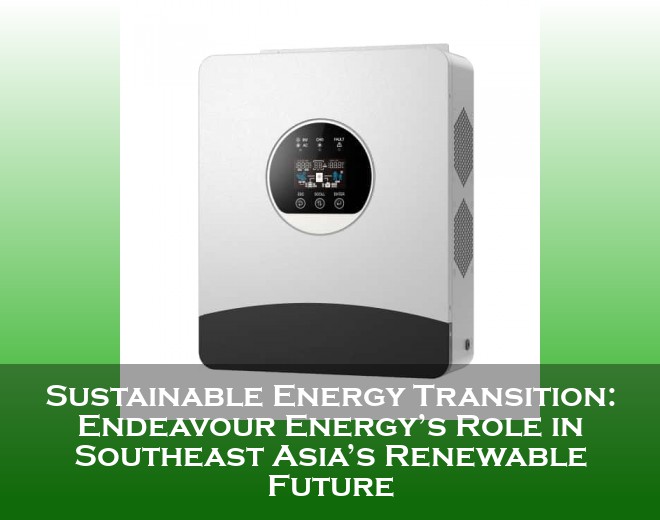
Sustainable Energy Transition: Endeavour Energy’s Role in Southeast Asia’s Renewable Future
Did you know Southeast Asia’s energy demand is growing 50% faster than the global average? Cities like Jakarta and Kuala Lumpur are facing energy shortages that could stall economic growth. The root causes? Rapid urbanization combined with outdated grid infrastructure.
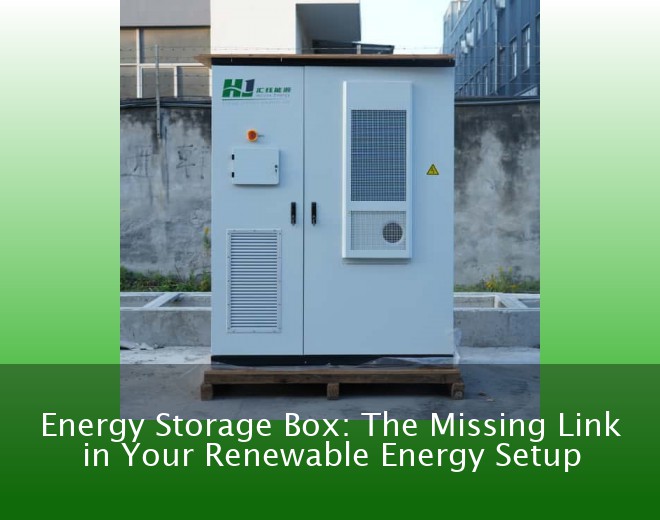
Energy Storage Box: The Missing Link in Your Renewable Energy Setup
Let’s face it – solar panels and wind turbines are having a moment. But what happens when the sun isn’t shining or the wind isn’t blowing? This isn’t some theoretical problem. Last February, Texas experienced rolling blackouts despite having 35GW of installed wind capacity. The culprit? A classic case of intermittency in renewable generation.
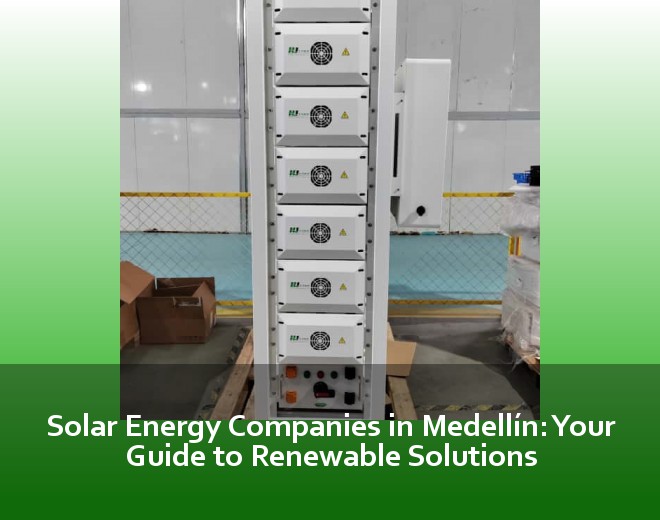
Solar Energy Companies in Medellín: Your Guide to Renewable Solutions
Medellín's solar companies are rewriting Colombia's energy story through geographic advantage and progressive policies. The city's 1,550-meter altitude gives it 30% more UV radiation than coastal areas - a solar engineer's dream scenario. But here's the kicker: local installers report 40% faster ROI compared to Bogotá due to reduced cloud cover during dry seasons.
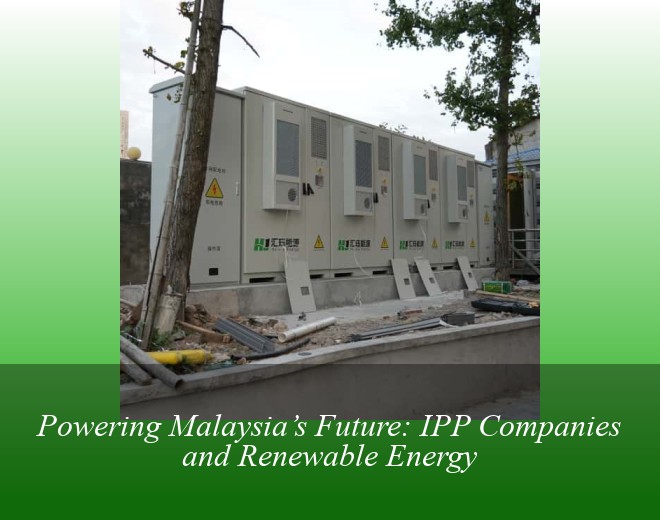
Powering Malaysia’s Future: IPP Companies and Renewable Energy
Did you know Malaysia's electricity demand grew 4.1% annually since 2020 while fossil fuels still dominate 75% of its grid? As air conditioners hum through Kuala Lumpur's skyscrapers and factories power the nation's US$430 billion GDP, IPP companies face a make-or-break moment. The Energy Commission's 2024 report reveals a startling gap - renewable sources account for just 23% of Peninsular Malaysia's installed capacity, despite the region handling 80% of national consumption.
 Inquiry
 Online Chat