


Off-Grid Hybrid Power Systems Explained
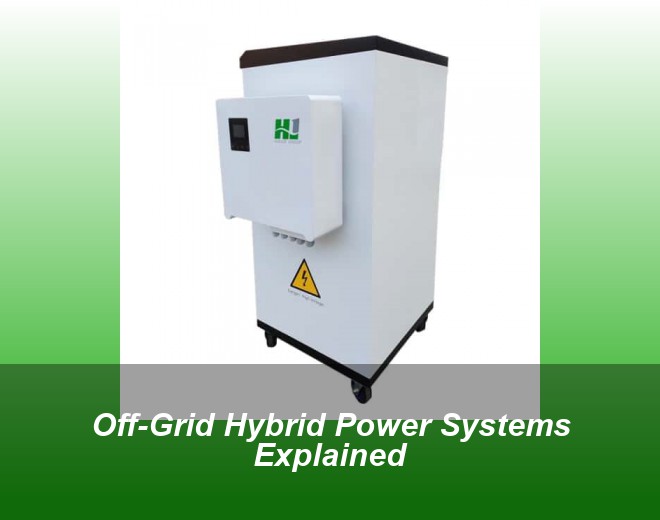
Table of Contents
What Are Off-Grid Hybrid Systems?
Let's cut through the jargon first. An off-grid hybrid system combines solar panels, battery storage, and often a backup generator to create self-sufficient power networks. Unlike traditional grid-tied systems, these setups don't just supplement electricity - they completely replace conventional power sources.
A mountain cabin in Colorado where the nearest power line is 20 miles away. Ten years ago, this would've meant relying on noisy diesel generators. Today? They're using solar panels paired with lithium batteries that automatically kick in when clouds roll in. That's the reality modern hybrid energy solutions are creating.
The Core Components
Every effective system needs three key elements:
- Solar PV array (15-30% more panels than grid-tied systems)
- Lithium-ion battery bank (typically 10-30kWh capacity)
- Smart energy management system
The Energy Independence Challenge
Here's the kicker - going fully off-grid isn't about being "green" anymore. After Hurricane Maria wiped out Puerto Rico's grid in 2017, hospitals using solar-plus-storage systems became the only functional medical facilities for weeks. Now 23% of new Caribbean construction projects mandate hybrid power solutions.
But wait, isn't solar power unreliable at night? That's where battery chemistry gets interesting. Modern lithium iron phosphate (LFP) batteries can discharge 95% of their stored energy safely, compared to lead-acid's measly 50% limit. We're not just talking about keeping lights on - these systems can power full HVAC systems through multi-day outages.
Cost vs Reliability Equation
The numbers tell a compelling story:
| Component | 2015 Cost | 2023 Cost |
|---|---|---|
| Solar panels/Watt | $0.70 | $0.20 |
| Battery storage/kWh | $800 | $150 |
How It Actually Works
Let's break down a typical day in an Alaskan off-grid home:
- 6AM: Morning chill triggers propane heater (backup system)
- 8AM: Rising sun activates solar array, charging batteries
- 3PM: Cloud cover reduces solar output - battery discharges
- 9PM: Energy management throttles non-essential loads
The magic happens in the system controllers. Newer models like Huijue's H-ECU5 use machine learning to predict weather patterns 72 hours ahead. If a snowstorm's coming? It'll conserve battery capacity by pre-heating water tanks during sunny periods.
Maintenance Myths Debunked
Contrary to popular belief, modern systems require less upkeep than grid power in remote areas. Solar panels need cleaning maybe twice a year, while lithium batteries don't require the monthly equalization charges that old lead-acid systems demanded.
Proven Success Stories
Take the Ta'u Island microgrid in American Samoa. This 1.4MW solar + 6MWh battery system replaced diesel generators that burned 300 gallons daily. Now 99% of the island's power comes from renewables - and they've avoided 2.8 million pounds of CO2 emissions since 2016.
But here's the thing - success isn't just about technology. The Navajo Nation's Solar Sheep Project combines PV arrays with grazing livestock that maintain vegetation. It's this sort of cultural integration that makes modern off-grid solutions stick.
Beyond Basic Power Generation
Hybrid systems are evolving into full ecosystem controllers. Imagine your power system managing:
- Water purification via excess solar
- Electric vehicle charging optimization
- Agricultural irrigation schedules
In Arizona's Dragoon Mountains, a ranch uses surplus solar energy to pump water 800 vertical feet from deep aquifers. During monsoon season, the system reverses flow to generate hydroelectric power - talk about a closed-loop system!
The Hydrogen Horizon
Pioneering projects in Australia are coupling solar arrays with hydrogen fuel cells. Excess summer energy gets stored as hydrogen, providing winter power through fuel cell stacks. Early data shows 83% annual self-sufficiency in climates with extreme seasonal variations.
So where does this leave traditional utilities? Honestly, they're playing catch-up. Over 40% of new rural construction permits in Texas now specify off-grid capabilities - not because of environmental concerns, but simply due to reliability and long-term cost benefits.
The revolution isn't coming. It's already here, quietly powering everything from Canadian ice road stations to Nigerian medical clinics. And with global supply chains stabilizing, 2024 might just be the year hybrid off-grid systems go mainstream.
Related Contents
Off-Grid Solar Power Systems Explained
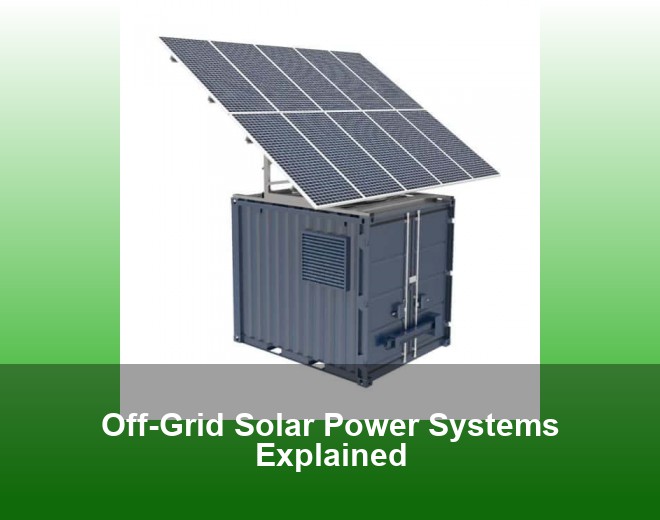
Ever wondered how remote cabins maintain power without utility connections? Off-grid photovoltaic systems solve this through self-contained energy generation and storage. Unlike grid-tied setups, these systems must handle 100% of a property's energy demands - come rain or shine.
Off-Grid Hybrid Solar-Wind Power Systems
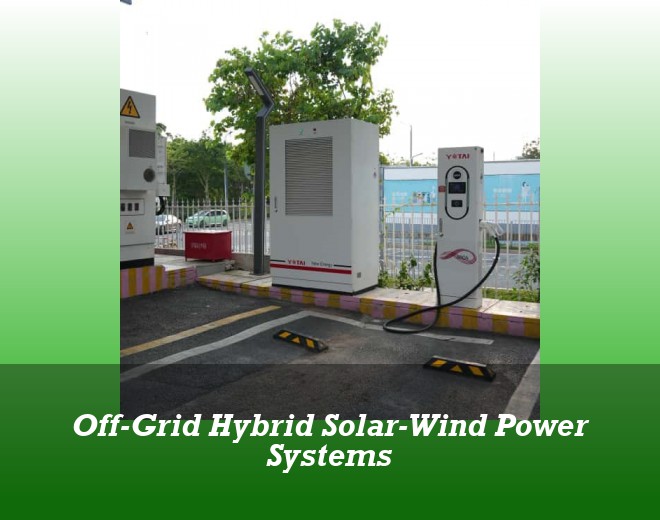
You know how people say "don't put all your eggs in one basket"? That's exactly why off-grid hybrid systems are stealing the spotlight. Combining solar panels and wind turbines isn't just some eco-friendly fad - it's becoming the backbone of rural electrification projects from Wyoming to Zambia.
Solar Grid Battery Systems Explained
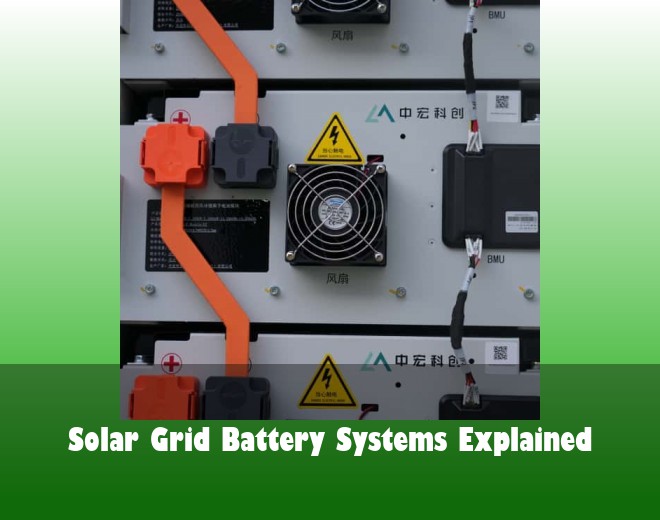
You know how people talk about renewable energy like it's some sort of magic? Well, here's the rub - without proper storage, solar power's about as reliable as a chocolate teapot. Solar battery storage systems act as the bridge between daytime energy surplus and nighttime demand, storing excess photovoltaic energy for later use.
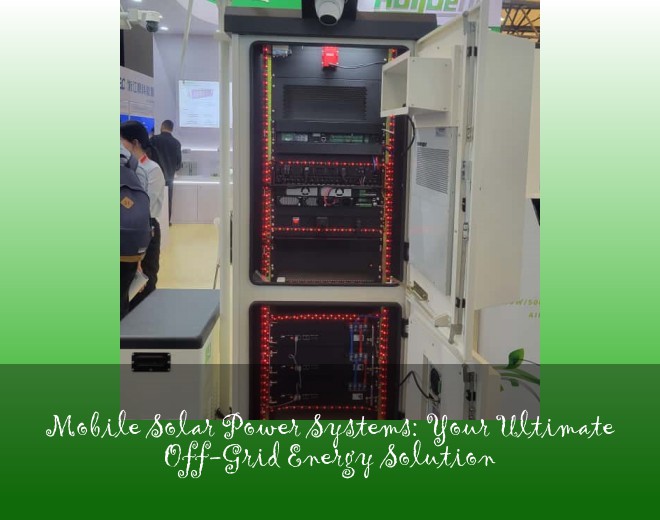
Mobile Solar Power Systems: Your Ultimate Off-Grid Energy Solution
You know that feeling when your phone dies during a mountain hike? With 72% of campers reporting power anxiety outdoors, portable solar systems aren't just nice-to-have - they're becoming survival essentials. The global market for these systems grew 38% last year alone, according to 2024 Renewable Energy Watch data.
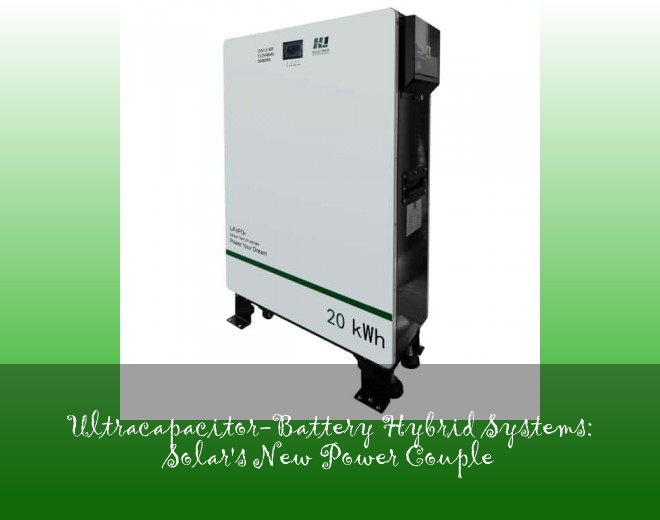
Ultracapacitor-Battery Hybrid Systems: Solar's New Power Couple
You've probably heard the statistic - solar panels only produce energy 25-30% of daylight hours on average. But here's what nobody tells you: 68% of grid failures in solar-dependent regions occur during dawn and dusk transitions. Why? Existing battery storage systems can't handle the sudden load shifts when thousands of panels simultaneously go offline.
 Inquiry
 Online Chat