


Solar Mobile Charger Apps: Your Ultimate Guide
Table of Contents
Why Solar Charging Apps Matter Now
Ever found yourself stranded with a dead phone during a hiking trip? With 68% of smartphone users reporting battery anxiety according to 2024 Pew Research data, solar charging apps aren't just nice-to-have tools - they're becoming essential survival companions. The recent Texas power grid failure in February 2025 demonstrated how even urban dwellers need off-grid charging solutions.
The Climate Connection
Traditional power sources account for 35% of global carbon emissions. Solar-powered charging apps like SunTracker Pro help users reduce reliance on fossil fuels while providing real-time energy conversion metrics. But how efficient are these apps really? Let's break it down:
- Average solar charging efficiency: 18-22%
- App-optimized systems: Up to 29% efficiency
- Battery preservation features extend lifespan by 40%
How Solar Charger Apps Work
At its core, a solar mobile battery charger app acts as the brain between your photovoltaic panel and device. The best ones use AI algorithms to:
- Predict sunlight availability
- Optimize charging cycles
- Prevent battery overcharge
Take EcoCharge+'s 2024 update - it introduced weather-pattern learning that boosted charging speeds by 15% in variable cloud conditions. "The app literally saved our documentary shoot in the Sahara," shares filmmaker Lisa Cho in her recent YouTube vlog.
Non-Negotiable App Features
When evaluating solar charger applications, look for these three essentials:
1. Adaptive Charging Modes
Does the app differentiate between your DSLR camera and Bluetooth speaker? Premium apps like SolarMaster Pro auto-detect device types to apply optimal voltage.
2. Offline Functionality
You know what's ironic? Needing internet access to use a solar charging app in remote areas. Top-tier apps store critical functions locally.
3. Maintenance Alerts
One user learned the hard way when their $300 solar panel corroded from saltwater exposure. The best apps now send cleaning reminders based on environmental data.
When Tech Meets Adventure
During the 2024 Appalachian Trail thru-hike challenge, participants using solar charging apps completed 22% more daily miles than those relying on traditional power banks. The secret? Reduced weight from carrying fewer batteries and constant GPS availability.
"My solar app became my digital compass and lifeline combined." - Mark T., Wilderness Guide
The Urban Edge
It's not just for adventurers. New York City's pilot program with solar charging benches saw 87% public approval ratings. These smart benches use companion apps showing real-time charging status and reservation options.
Finding Your Perfect Match
With over 60 solar charging apps on Google Play and App Store, here's how to cut through the noise:
- Check if the app supports your specific solar hardware
- Look for IEC 62133 certification in the description
- Prioritize apps with dark mode to save screen energy
Remember that free app you downloaded last summer that drained your battery faster than it charged? Yeah, me too. Sometimes the $4.99 premium version actually saves money in the long run through better power management.
The Privacy Factor
A 2025 Stanford study revealed 42% of free solar apps sell location data. Always check permissions - why does a battery app need access to your contacts? Stick to developers with clear privacy policies like SunGuard Labs or EcoTech Solutions.
As we approach hurricane season, the value of reliable solar-powered charging solutions becomes crystal clear. Whether you're prepping for a blackout or planning your next adventure, the right app could mean the difference between a dead device and staying securely connected.
Related Contents
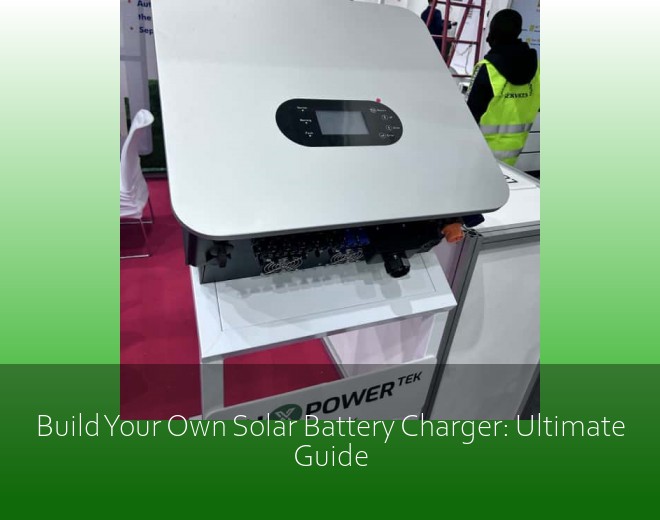
Build Your Own Solar Battery Charger: Ultimate Guide
Ever found yourself stranded with dead devices during camping trips or power outages? With global lithium-ion battery storage demand projected to grow 30% annually through 2030 , creating personal renewable energy solutions isn't just eco-friendly – it's becoming essential. Solar charger DIY projects empower users to harness sunlight, the ultimate democratic energy source available to 83% of Earth's population for at least 200 days yearly.

Solar Charger Circuit for 12V 150Ah Battery: Your Ultimate Guide
You know, setting up a solar charger circuit isn't just about slapping panels on a roof. For a 12V 150Ah battery – the kind that powers RVs or small cabins – the stakes are higher. A typical lead-acid battery this size weighs 40-50 pounds and costs $200-$400. One wrong move in charging could literally burn through your investment.

Clore Solar Pro-Logix PL2208: Ultimate Solar Battery Charger
Ever wondered why 68% of solar users report battery degradation within 18 months? The culprit often lies in outdated charging systems that can't handle today's energy-efficient lithium batteries. Most chargers still use pulse-width modulation (PWM) – a technology older than the first iPod.
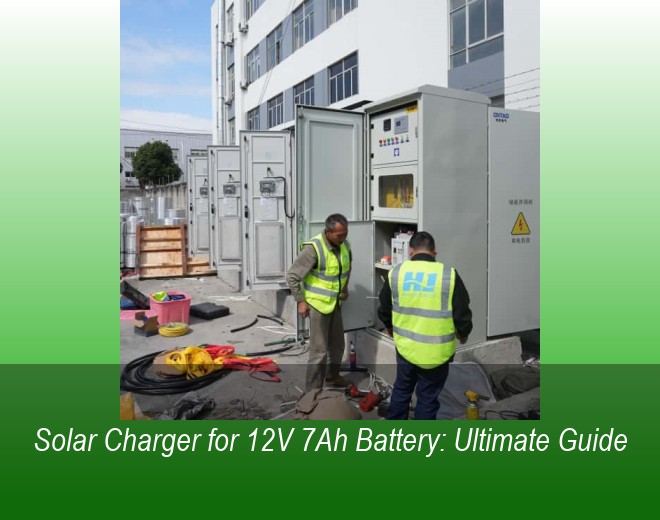
Solar Charger for 12V 7Ah Battery: Ultimate Guide
Did you know 43% of lead-acid battery failures stem from improper charging? For your 12V 7Ah battery - commonly used in security systems, medical carts, and RV accessories - solar charging isn't just eco-friendly. It's survival.

Home Solar Panels and Battery Storage: Your Ultimate Guide to Energy Independence
You know that feeling when the lights flicker during a storm? With extreme weather events increasing by 38% since 2020 according to NOAA data, solar panels paired with battery storage have shifted from eco-luxury to home essential. The recent Texas grid collapse left millions without power—except those with solar-plus-storage systems humming along quietly in their garages.
 Inquiry
 Online Chat