


Solar Energy Storage Revolution
Table of Contents
Why Renewable Energy Needs Better Batteries
the sun doesn't always shine, and wind doesn't blow on demand. This intermittency issue has been the Achilles' heel of renewable energy for decades. In 2023 alone, California's grid operators curtailed over 2.4 million MWh of solar power because they couldn't store it. That's enough electricity to power 225,000 homes for a year!
Here's the kicker: Our current battery storage systems only capture about 35% of available solar energy in most residential setups. Why does this matter? Well, every unharvested kilowatt-hour represents both environmental and financial waste. The U.S. Department of Energy estimates improved storage could accelerate our clean energy transition by 8-12 years.
The Hidden Costs of Intermittency
Imagine this scenario: A hospital in Texas loses power during critical surgery because cloudy weather reduced solar output. While diesel generators kick in, there's a 4-second gap - enough to damage sensitive equipment. This isn't hypothetical; similar incidents occurred during 2023's unexpected winter storms.
How Modern Solar Storage Solutions Work
Today's cutting-edge systems combine three components:
- High-efficiency photovoltaic panels (22-24% conversion rates)
- Lithium-ion phosphate (LFP) battery arrays
- AI-powered energy management systems
The real game-changer? Bidirectional inverters that can both charge batteries and feed excess power back to the grid. When Hurricane Ian knocked out Florida's power last September, homes with these systems became temporary microgrids, keeping lights on for entire neighborhoods.
Chemistry Matters: Beyond Lithium-Ion
While lithium dominates today, researchers are racing to develop alternatives. Sodium-ion batteries - using abundant table salt derivatives - recently achieved 160 Wh/kg energy density. That's about 85% of standard lithium batteries at half the cost. China's CATL plans mass production by Q2 2024.
New Tech Changing Energy Storage Systems
Let me tell you about a project that blew my mind. In Australia's Outback, Huijue Group deployed a solar farm with 72-hour iron-air battery storage. These batteries "breathe" oxygen to store energy through rusting and reverse-rusting cycles. Crazy, right? But it works - providing continuous power through 3-day sandstorms that would've crippled traditional systems.
5 Storage Innovations to Watch:
- Gravity-based systems using abandoned mine shafts
- Liquid metal batteries that self-heal
- Phase-change materials in residential walls
- Vehicle-to-grid (V2G) car battery sharing
- Hydrogen hybrid storage for industrial use
The economics are shifting rapidly. Back in 2010, a kilowatt-hour of battery storage cost $1,100. Today? We're looking at $150-$200, with projections hitting $60 by 2030. This price freefall makes solar-plus-storage competitive with fossil fuels in 80% of global markets.
Case Studies: Where It's Working Now
Take Ta'u Island in American Samoa. Once dependent on diesel generators, they now run on 100% solar + storage. Their secret? A 6MWh battery bank that stores excess daytime energy. During last month's cyclone season blackouts, Ta'u kept power flowing continuously while neighboring islands went dark.
On the industrial side, Tesla's Hornsdale Power Reserve in South Australia - the "Big Battery" - has saved consumers over $200 million since 2017 by stabilizing grid frequency. Its secret sauce? Responding to power fluctuations in milliseconds versus minutes for traditional plants.
What's Still Holding Us Back?
Regulatory hurdles remain the biggest roadblock. In many U.S. states, utilities actually penalize homeowners for installing solar energy storage systems through demand charges and reduced feed-in tariffs. Germany recently changed its policies to encourage storage - their installed capacity jumped 47% in 2023 alone.
Material scarcity is another concern. A typical EV battery requires 8kg of lithium, 35kg nickel, and 6kg cobalt. With global demand skyrocketing, recycling programs can't keep pace. The U.S. currently recycles less than 5% of lithium batteries versus 99% lead-acid car batteries.
The Maintenance Reality Check
Ever wonder what happens to old solar batteries? Most end up in landfills due to costly recycling processes. But companies like Redwood Materials are changing that - their Nevada facility can recover 95% of battery materials. Still, we need better infrastructure; only 12 states have dedicated battery recycling laws.
At the end of the day, renewable energy storage isn't just about technology. It's about creating systems that work with human behavior. Take Japan's "virtual power plants" - aggregating thousands of home batteries to act as peak-shaving reservoirs. Participants earn credits while maintaining backup power. Win-win solutions like this will define our energy future.
Related Contents
Solar Energy Storage and Battery Storage Systems
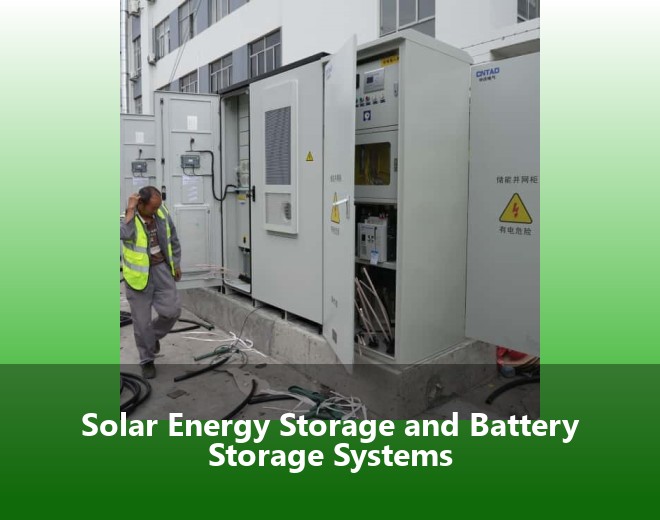
Ever wondered why your solar panels stop working during blackouts? The dirty secret of renewable energy lies in its intermittency. While solar energy storage technologies have advanced dramatically, 42% of commercial solar projects still rely on grid power after sunset.
Solar Energy Storage Revolution: Why Gel Lead-Acid Batteries Dominate
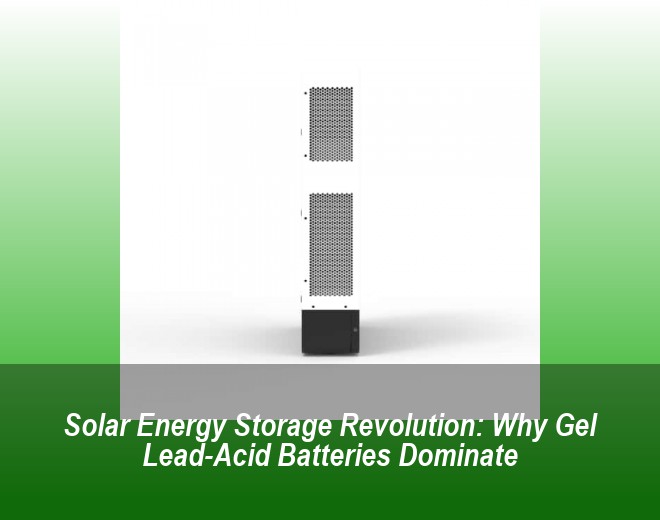
You know what's ironic? While everyone's obsessing over lithium-ion batteries, over 68% of solar energy storage systems in harsh environments still rely on a century-old technology - but with a modern twist. Gel lead-acid batteries, particularly those using PVV (Pressure Ventilated Valve) technology, have become the dark horses of renewable energy storage.
Solar Energy and Battery Storage Revolution
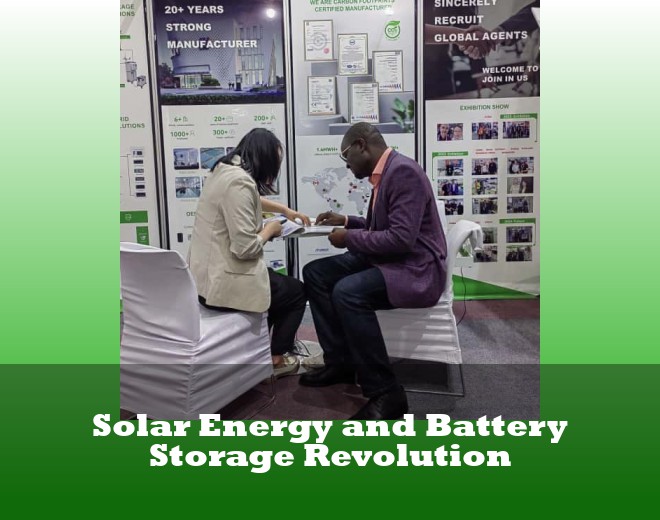
Last winter's Texas blackouts left 4.5 million homes freezing in the dark - a brutal reminder that our century-old grid architecture can't handle modern energy demands. The core problem? We're trying to power 21st-century societies with 19th-century thinking about energy consistency.
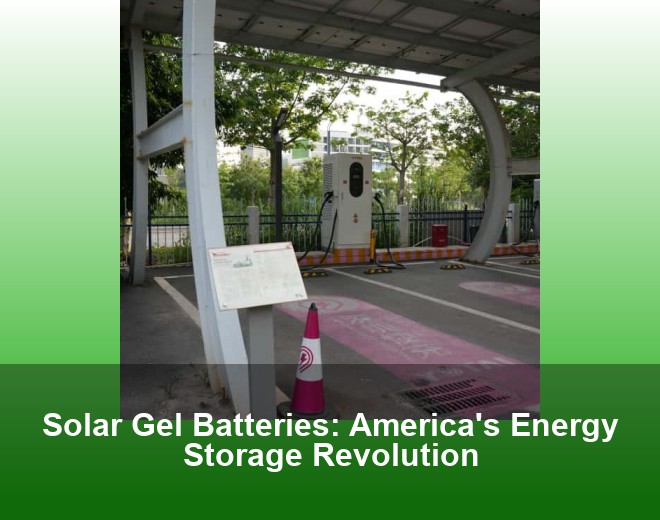
Solar Gel Batteries: America's Energy Storage Revolution
You know that sinking feeling when your solar gel batteries conk out during a winter storm? Across 43 states, homeowners still experience 18% energy loss during extreme weather with conventional lead-acid systems . The real kicker? Standard AGM batteries lose up to 30% capacity after just 500 cycles - that's like buying a smartphone that dies halfway through your contract!
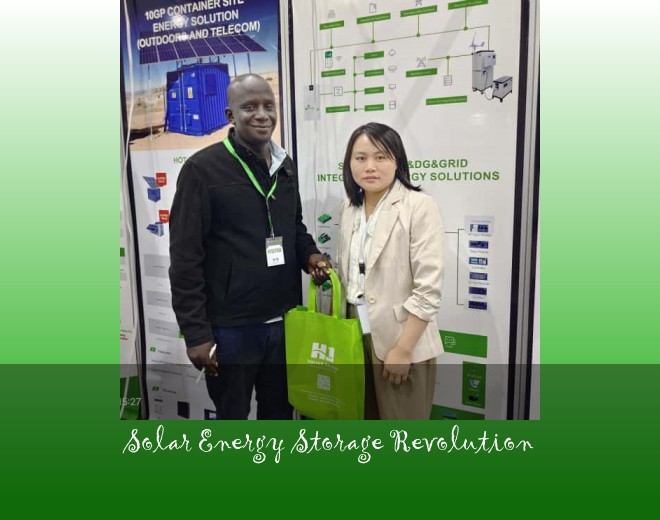
Solar Energy Storage Revolution
You know what's crazy? We've mastered harvesting sunlight, but storing that energy still keeps engineers up at night. Last month's Texas grid collapse during a heatwave proved we need better solar storage solutions - and fast. Traditional lead-acid batteries? They're sort of like using flip phones in the TikTok era.
 Inquiry
 Online Chat