


Powering the Future: 5kW Lithium Iron Solar Batteries
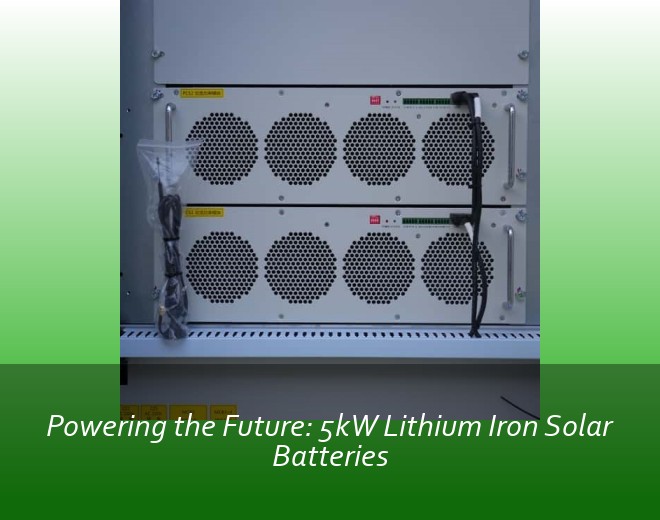
Table of Contents
The Unstoppable Rise of Lithium Iron Phosphate Technology
You've invested in solar panels, but your energy bills haven't dropped as expected. Why? The missing piece might be your battery storage. Enter 5kW lithium iron solar batteries - the game-changer in renewable energy systems.
Chemistry That Outperforms Conventional Options
Traditional lead-acid batteries feel like flip phones in our smartphone era. LiFePO4 (Lithium Iron Phosphate) batteries offer 3x longer lifespan and 95% depth of discharge capability. A typical 5kW system can store 10-15kWh - enough to power most households through the night.
Solar Storage Revolution: Beyond Basic Backup
Recent factory closures at Hitachi Chemical and Sanyo Electric have actually accelerated LiFePO4 adoption. These systems aren't just about emergency power - they're reshaping how we interact with energy grids.
- Peak shaving: Reduce grid consumption during high-rate hours
- Time arbitrage: Store midday solar surplus for evening use
- Grid independence: 72-hour backup capability in modern units
Case Study: Texas Off-Grid Success
The Johnson family in Austin achieved 89% energy independence using a 5kW LiFePO4 system paired with 18 solar panels. Their secret sauce? Intelligent battery management that adapts to weather patterns and usage habits.
Installation Insights: What They Don't Tell You
While manufacturers promise plug-and-play simplicity, real-world installation requires careful planning. Battery placement matters more than you'd think - temperature fluctuations can impact efficiency by up to 15%.
Pro Tips for Maximum ROI
1. Pair with hybrid inverters for seamless grid interaction
2. Implement staggered charging during cloudy seasons
3. Use modular systems for easy capacity expansion
The future's bright, but it's not without challenges. As more households adopt these systems, we're seeing interesting debates about recycling infrastructure and raw material sourcing. Still, with prices dropping 22% since 2023, lithium iron solar batteries are becoming accessible to mainstream users.
Related Contents
Powering South Africa's Future: Lithium-Ion Solar Batteries Solving Energy Challenges
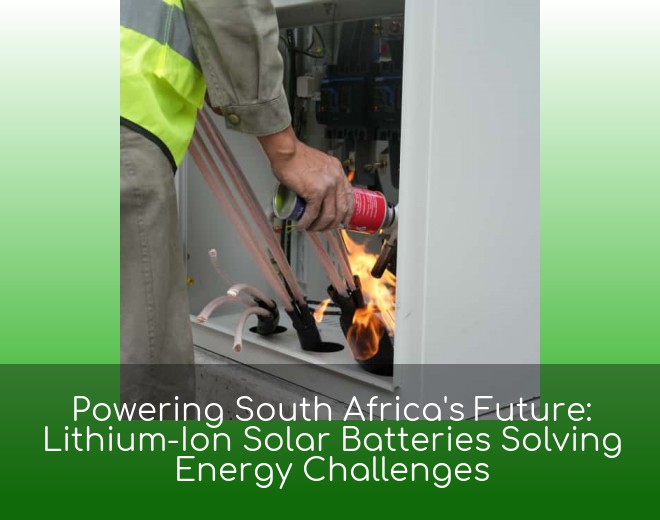
You know that sinking feeling when Eskom's load-shedding alert pops up? With over 1,000 hours of blackouts in 2024 alone, South Africans are literally left in the dark. But here's the kicker: lithium-ion solar batteries aren't just backup plans anymore - they're becoming the backbone of our energy independence.
Lithium Solar Batteries: Powering South Africa’s Energy Future
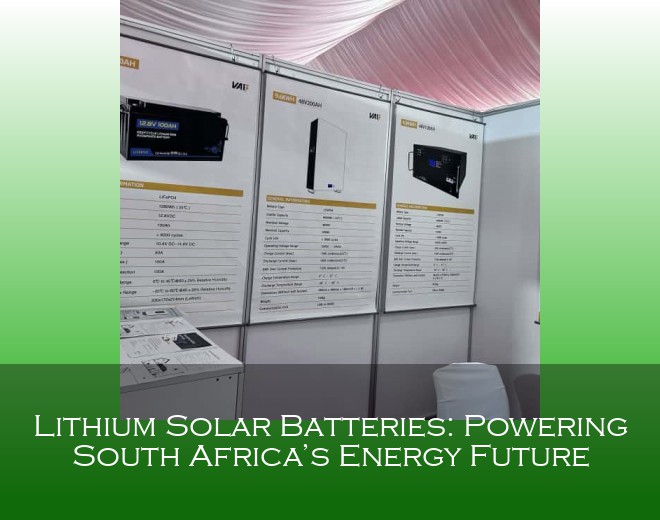
You know, it's hard to ignore those endless "load shedding" notifications anymore. Just last week, Eskom reported over 100 days of rolling blackouts in 2023 alone. But what's really causing this energy nightmare? Let's break it down:
Lithium-Ion Batteries and Solar Panels: Powering the Future of Renewable Energy
You've probably seen those sleek solar panels glittering on rooftops, but here's the billion-dollar question: What happens when the sun goes down? That's where lithium-ion batteries step in as the unsung heroes of renewable energy systems. In 2024 alone, China's renewable energy generation grew by 20.9% - enough to power 35.5% of its total electricity needs. But without efficient storage, even the most advanced photovoltaic systems risk becoming daytime-only solutions.
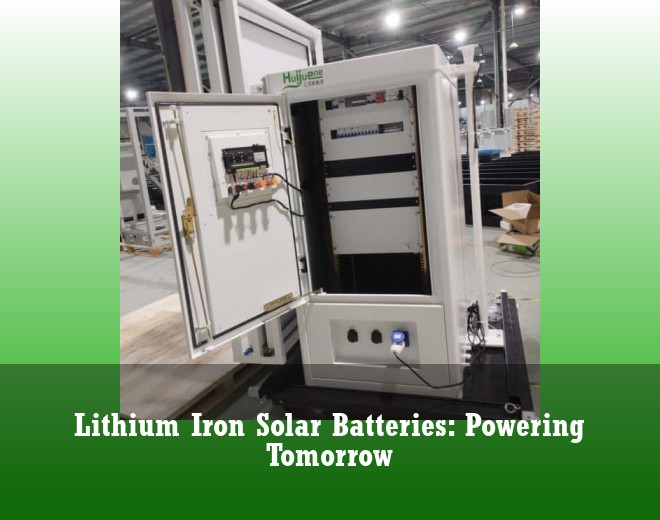
Lithium Iron Solar Batteries: Powering Tomorrow
You've probably seen those viral videos of solar farms sitting idle during peak sunshine hours. What if we told you the solution isn't just more panels, but smarter storage? The International Renewable Energy Agency reports 14% of generated solar energy gets wasted globally due to inadequate storage - enough to power 30 million homes annually.
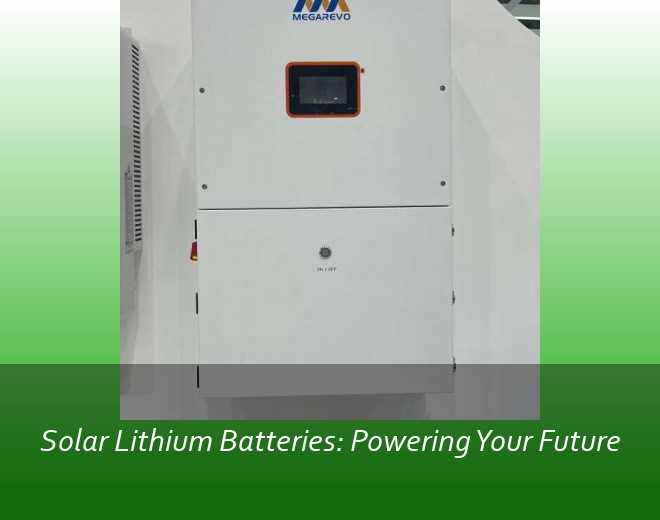
Solar Lithium Batteries: Powering Your Future
Ever wondered why your neighbor's solar panels keep working during blackouts while yours don't? The answer's probably lurking in their garage - a lithium battery storage system. These energy storage marvels have become the backbone of modern solar setups, storing excess power with 95% efficiency compared to lead-acid batteries' measly 80%.
 Inquiry
 Online Chat