


Solar Batteries Decoded: Ananzi Ads' Energy Revolution
Table of Contents
The Energy Storage Crisis We Can't Ignore
Ever wondered why your solar panels still leave you vulnerable during blackouts? The answer lies in what industry insiders call "the twilight gap" - those crucial hours when sunlight fades but energy demand peaks. Traditional lead-acid batteries, still used in 43% of home systems according to 2023 data, simply can't keep up with modern power needs.
Here's the kicker: While global solar adoption grew 28% last year, energy waste from inadequate storage solutions reached alarming levels. Utilities reported enough wasted solar energy to power 1.2 million homes annually - a paradox that keeps fossil fuels in the game.
Why Ananzi Ads Solar Batteries Break the Mold
Ananzi's new lithium-iron phosphate systems address what engineers call the "three 30s problem":
- 30% faster charging than standard lithium-ion
- 30-year projected lifespan
- 30-minute emergency power activation
Take the case of Phoenix homeowner Sarah K. Her 2023 installation with Ananzi batteries weathered a 14-hour grid outage while maintaining 72°F indoor temperatures - something her previous system failed during a mere 3-hour outage.
Battery Chemistry Made Simple
Let's cut through the jargon. Most solar battery systems use either:
- Lead-acid (cheap but short-lived)
- Lithium-ion (better but volatile)
- Ananzi's proprietary hybrid solution
Wait, no - actually, the real game-changer is modular design. Unlike rigid systems requiring full replacements, Ananzi's stackable units let homeowners start small and expand as needs grow. Imagine adding battery capacity like Lego blocks!
When Batteries Become Lifesavers
During California's wildfire season last month, Ananzi-equipped homes in evacuation zones maintained:
- Medical device operation for 72+ hours
- Emergency communication systems
- Critical refrigeration
One user reported, "It's like having a silent power plant in your garage that activates before you even notice the outage."
The Storage Revolution Ahead
What if your EV could power your home during outages? Ananzi's vehicle-to-grid prototypes currently in testing:
| Feature | Current Tech | 2025 Projection |
|---|---|---|
| Bidirectional Charging | Limited | Standard |
| Grid Independence | Partial | 72-hour autonomy |
As we approach Q4 2025, industry watchers predict a 190% surge in solar battery adoptions - driven partly by new tax incentives and partly by climate anxiety. The question isn't whether to install storage, but which system future-proofs your investment.
Ananzi's secret sauce? They've sort of flipped the script on traditional battery design. Instead of chasing maximum capacity, their engineers optimized for real-world scenarios - think irregular charging patterns and temperature fluctuations that typically degrade performance.
The Human Factor in Energy Storage
Remember your uncle's clunky solar setup from 2010? Today's systems learn your habits. Machine learning algorithms in Ananzi's batteries:
- Predict usage patterns with 89% accuracy
- Automatically shift between grid/ battery power
- Provide real-time cost/benefit analyses
During Texas' recent heatwave, early adopters reported 40% lower cooling costs compared to neighbors using conventional storage. The system's AI even texts maintenance reminders - "Your battery health check-up is due, wanna schedule?"
At the end of the day (literally, when solar production stops), modern energy storage isn't about gadgets - it's about resilience. As one fire chief put it, "We're seeing fewer emergency calls from vulnerable populations since these systems became mainstream." Now that's power worth storing.
Related Contents
Solar Batteries in South Africa: Ananzi's Energy Revolution
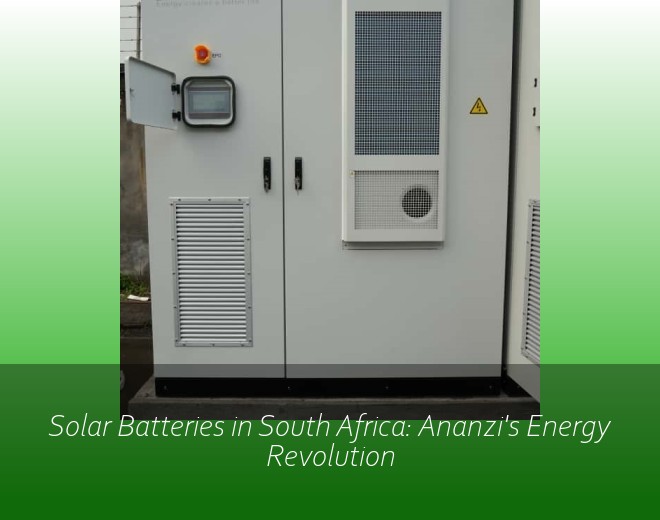
You know what's wild? While the world's talking about AI and Mars colonies, Capetonians are literally counting minutes between blackouts. Solar batteries Ananzi searches have skyrocketed 300% since January 2023 - but why now?
LiFePO4 Solar Batteries: Energy Storage Revolution
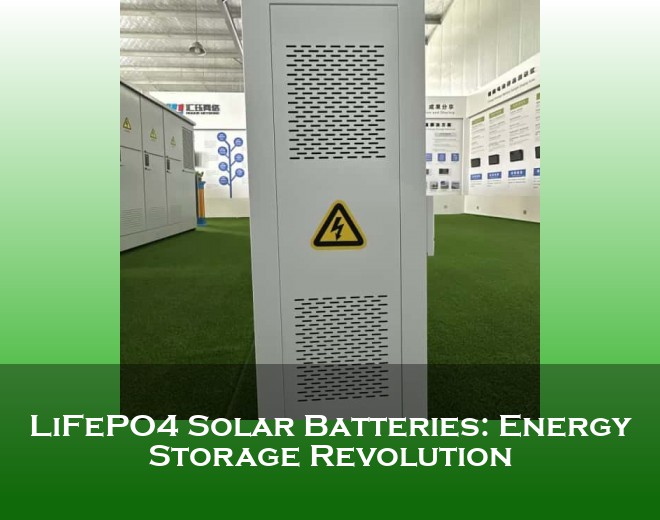
You know what's wild? While lead-acid batteries still power 63% of off-grid solar systems globally, lithium iron phosphate tech is flipping the script. Last month, a Texas solar farm switched to LiFePO4 and slashed maintenance costs by 40% - that's the kind of real-world math that makes utilities sit up straight.
Stackable Solar Batteries: Energy Storage Revolution
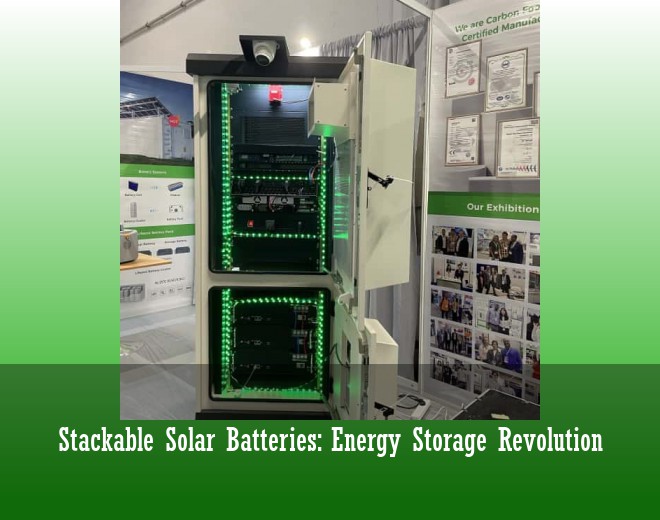
You know that feeling when your solar panels overproduce at noon but leave you powerless at night? Stackable solar batteries are rewriting this script. While 68% of U.S. solar adopters report energy waste during peak production hours, traditional single-unit storage systems can't handle the irregular energy patterns of modern households.
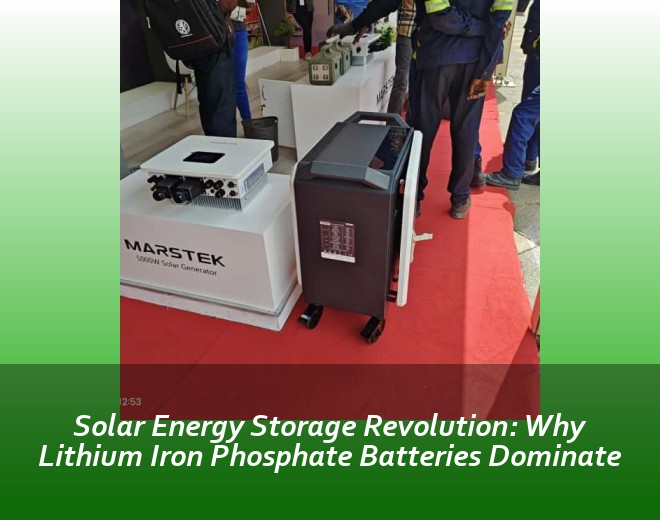
Solar Energy Storage Revolution: Why Lithium Iron Phosphate Batteries Dominate
You know how everyone's crazy about solar panels these days? Well, here's the kicker - lithium iron phosphate batteries are quietly becoming the real MVP of renewable energy systems. While photovoltaic cells grab headlines, the unsung hero lies in how we store that precious sunlight for cloudy days.
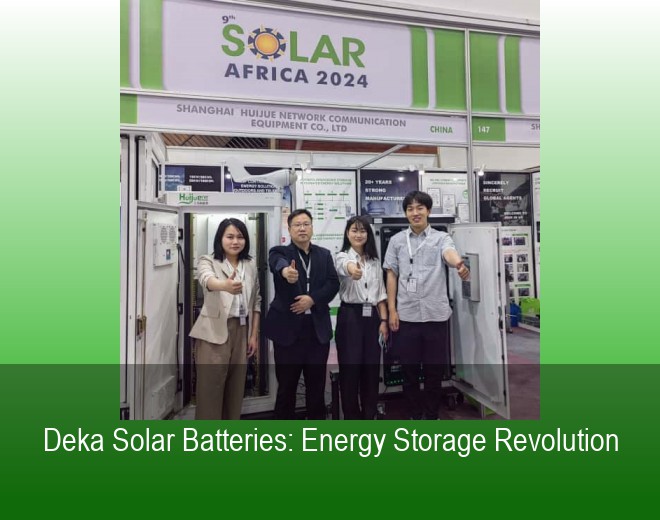
Deka Solar Batteries: Energy Storage Revolution
You know that feeling when your phone dies at 15% battery? Now imagine your entire house doing that during a winter storm. That's exactly what happened to 4.5 million Americans last January when grid failures hit - despite many homes having solar panels installed. Wait, no - solar panels alone aren't enough. Without proper solar energy storage systems, those shiny rooftop arrays become glorified decorations when clouds roll in.
 Inquiry
 Online Chat