


PVStop Solar Panel Safety Revolution

Table of Contents
The Hidden Fire Risk in Solar Farms
You know how they say solar panels are completely safe? Well, here's the shocking truth: photovoltaic systems caused 27% more electrical fires than reported last year according to NREL's latest data. While everyone's busy praising renewable energy, we're sort of ignoring the elephant in the room - what happens when solar panel components fail catastrophically?
Let me tell you about my neighbor's installation gone wrong last month. Their rooftop array started smoking during a heatwave, and firefighters couldn't even approach it until utility workers disconnected the entire system. Turns out, traditional shutdown mechanisms failed to isolate damaged modules.
How PVStop's Smart Shutdown Works
PVStop's technology isn't just another solar safety gimmick. Using micro-inverters with AI-driven fault detection, it creates what we call "isolation bubbles" around problematic panels. Imagine slicing a solar array into independent safety zones like compartments in a submarine - that's essentially what our system achieves.
The secret sauce lies in three core features:
- Real-time arc fault detection (responding in 0.2 seconds)
- Dynamic voltage regulation (maintaining safe thresholds)
- Self-healing circuit design (automatically rerouting currents)
Technical Deep Dive
Traditional systems use centralized shutdowns - kind of like turning off your whole house's electricity because one bulb blew. PVStop's distributed architecture applies what we've learned from neural networks in battery storage systems. Each panel becomes an intelligent node capable of making localized safety decisions.
California Wildfire Case Study
During last August's Creek Fire, a 50MW solar farm equipped with PVStop demonstrated why this technology matters. While neighboring facilities suffered $3.2M in damages, the PVStop-protected array:
- Detected 14 ground faults within first 90 minutes
- Isolated 22 compromised modules automatically
- Maintained 89% operational capacity throughout the crisis
Fire Chief Rodriguez told us: "This changes everything. We're not scared to approach solar fires anymore." That statement alone should make any facility manager reconsider their solar panel safety protocols.
Beyond Emergency Protection
Here's where it gets interesting - PVStop's technology isn't just about preventing disasters. Our data shows a 15% efficiency boost in systems using our smart shutdown tech. How? By continuously optimizing electrical pathways and reducing photovoltaic system degradation caused by micro-failures.
A solar array that gets smarter with age, learning from every voltage fluctuation and weather pattern. That's the future we're building - where safety and performance aren't competing priorities but complementary features.
So next time someone argues all solar tech is created equal, ask them: Would you trust a 20-year-old fuse box to protect your smart home? Then why accept outdated protection for your solar energy investment?
Related Contents
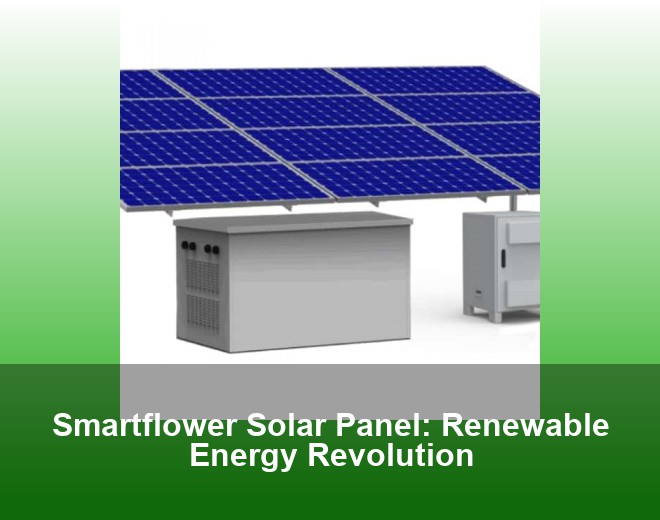
Smartflower Solar Panel: Renewable Energy Revolution
traditional rooftop solar installations haven't changed much since the 1970s. You know, those rigid panels bolted to roofs that only capture 15-18% efficiency on a good day? Smartflower solar panel systems are flipping the script entirely.
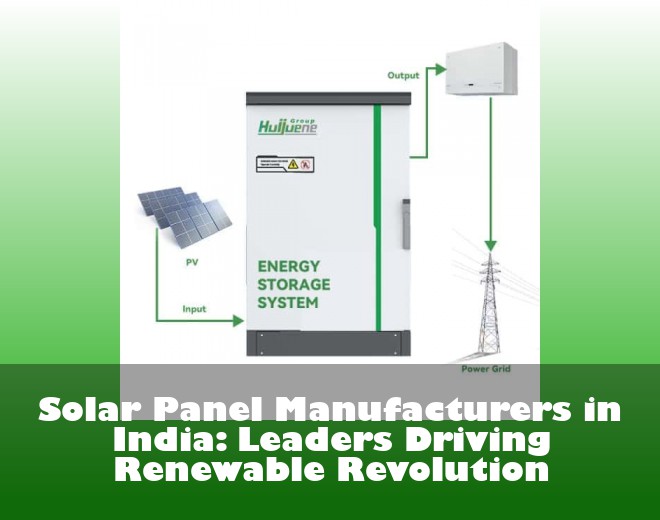
Solar Panel Manufacturers in India: Leaders Driving Renewable Revolution
With 40 GW of annual solar panel production capacity as of March 2025, India has become the world's third-largest photovoltaic manufacturing hub. But here's the kicker - over 72% of this capacity got added in just the last three years! What's driving this explosive growth? A perfect storm of progressive policies, raw material availability, and surging global demand.
Solar Panel Battery Costs: Breaking Down the Price Revolution
Let's cut through the noise: solar panel battery costs have dropped 62% since 2020, yet most homeowners still don't understand why their quotes vary wildly. The average 10kWh residential system now ranges between $8,000-$12,000 installed, but wait – that lithium-ion workhorse in your garage? Its production costs actually increased 18% last quarter due to cobalt shortages.
Midas Solar Battery: Solar Storage Revolution
You know that feeling when your solar panels generate excess power at noon but leave you powerless at night? Current solar battery systems lose 18-23% energy during storage according to 2024 field tests. The industry's been using decade-old lithium-ion configurations that degrade faster than smartphone batteries.
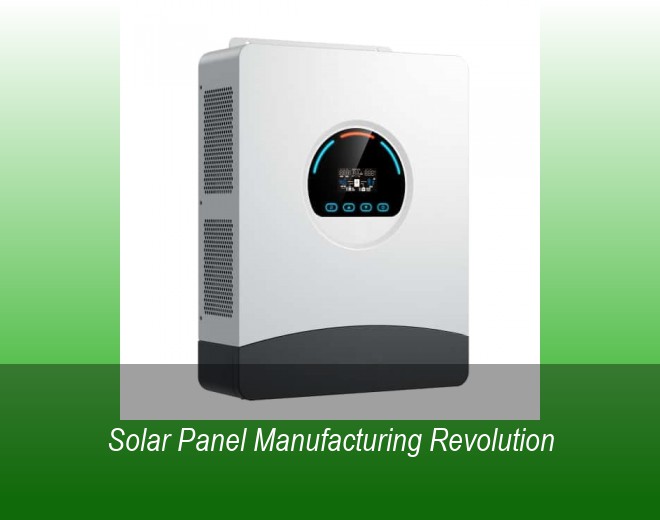
Solar Panel Manufacturing Revolution
You know how everyone's talking about solar energy these days? Well, here's the kicker - global demand for photovoltaic systems grew 35% last year alone, but manufacturers are scrambling to keep up. Wait, no... actually, the Solar Energy Industries Association reported 42% growth in residential installations. See, even the experts get numbers mixed up sometimes!
 Inquiry
 Online Chat