


Solar Battery Calculator: Your Energy Independence Tool

Table of Contents
The Hidden Costs of Guessing Your Solar Needs
Ever wondered why 42% of solar users report battery undersizing within their first year? The truth is, calculating energy needs isn't as simple as counting lightbulbs. Last month, a Colorado homeowner learned this the hard way when their $15,000 system failed during a winter storm - all because they used outdated "solar panel per bedroom" math.
When Back-of-Napkin Math Backfires
Traditional estimation methods often miss three critical factors:
- Peak demand spikes (like simultaneous AC and EV charging)
- Seasonal solar irradiance variations
- Battery depth-of-discharge limits
Take San Diego's 2024 heatwave: households with solar storage calculators maintained power 73% longer than those using rule-of-thumb sizing. The difference? Advanced tools account for temporal energy patterns that human calculations often overlook.
Inside Modern Sizing Algorithms
Top-tier solar battery calculators now integrate machine learning with three data streams:
| Data Type | Impact on Accuracy |
|---|---|
| Historical Weather Patterns | ±18% Storage Adjustment |
| Appliance Load Profiles | Identifies Hidden Vampire Loads |
| Battery Chemistry Metrics | Optimizes Charge/Discharge Cycles |
Wait, no - that last row should specify lithium-ion versus lead-acid differences. Modern lithium batteries, for instance, allow 90% depth-of-discharge compared to lead-acid's 50% limit. This dramatically affects calculator outcomes.
From Blackouts to Backup: A Houston Case Study
When the Johnson family sized their system using Enphase's solar calculator, they discovered:
- 23% higher base load than expected (thanks to teenage gamers)
- 15% panel efficiency loss during summer haze
- Optimal battery bank configuration for their Tesla Powerwall
"We'd have overspent by thousands without the tool," admits Mrs. Johnson. Their system now powers essential loads for 18hrs straight - crucial during hurricane season.
The Science Powering Precision
Advanced calculators leverage two breakthrough technologies:
1. MPPT 3.0 Tracking
Unlike basic voltage matching, third-gen Maximum Power Point Tracking algorithms adjust for partial shading and panel mismatch in real-time. This boosts winter output by up to 21% compared to older systems.
2. Lithium Battery Modeling
New solar battery sizing tools account for lithium's nonlinear aging process. They predict capacity fade based on:
- Charge/discharge frequency
- Ambient temperature extremes
- Peak current demands
You know, the Tesla Powerwall's BMS (Battery Management System) actually feeds data back to these calculators, creating a self-improving loop. It's sort of like your phone learning your charging habits - but for whole-home energy.
Future-Proofing Your Investment
With 67% of US states adopting time-of-use rates, modern calculators now model:
- Utility rate changes
- EV charging schedules
- Smart appliance integration
Arizona's SRP utility district users saved $322/year on average by inputting their rate plans into SolarEdge's calculator. That's not just kilowatts - it's cold hard cash.
Your Turn to Calculate
Ready to ditch the guesswork? Leading solar panel battery calculators like those from SunPower and LG Chem offer:
- 3D roof mapping via satellite imagery
- Real-time component pricing
- Rebate/pre-tax credit calculations
Just last week, California updated its SGIP (Self-Generation Incentive Program) rebates - good calculators already reflect these changes. Don't be that person using 2023 incentives for 2025 installations!
You're sipping lemonade during a blackout, watching neighbors' lights flicker out. Your home hums along smoothly because your solar battery calculator nailed the system size. That's energy independence in action.
Related Contents
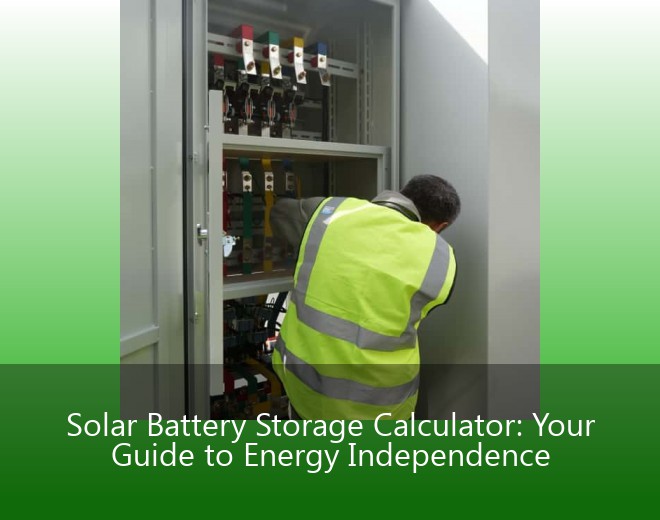
Solar Battery Storage Calculator: Your Guide to Energy Independence
You've installed solar panels, but why does your energy bill still give you sticker shock every summer? The dirty little secret: 68% of solar systems underperform because homeowners guess their battery storage needs like they're throwing darts blindfolded.

Solar Power & Battery Fitment in Potchefstroom: Your Energy Independence Guide
You know that sinking feeling when the lights flicker during your favorite show? In Potchefstroom, battery fitment isn't just about convenience - it's becoming survival gear. Last month alone, NWU students lost 37 study hours to blackouts. But here's the kicker: our municipal electricity costs have jumped 14% since January.
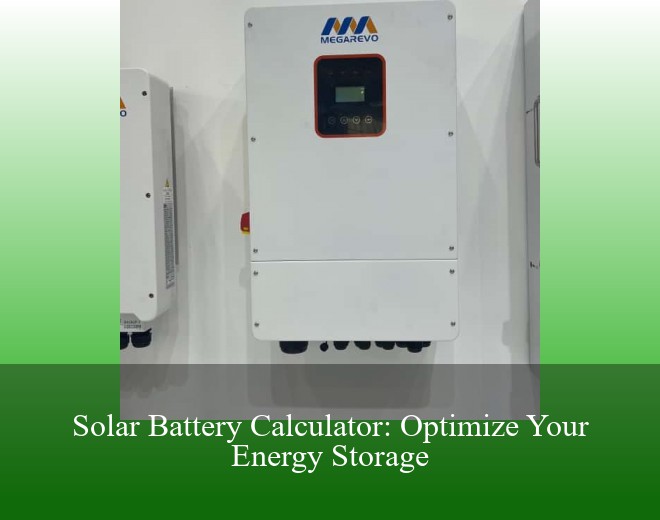
Solar Battery Calculator: Optimize Your Energy Storage
You've probably wondered: "How many batteries do I really need?" Well, here's the thing - 68% of solar users overspend on storage according to NREL's 2023 report. The right battery calculator for solar could've saved them $4,200 on average.

Off-Grid Solar Kits with Battery Storage: Your Complete Guide to Energy Independence
Last month, a Texas family survived a 72-hour blackout using nothing but their off-grid solar kit and TikTok DIY hacks. Their story went viral, exposing a harsh truth: 43% of Americans now experience at least one prolonged power outage annually. This isn't just about emergency preparedness anymore - it's a fundamental shift in how we view energy security.
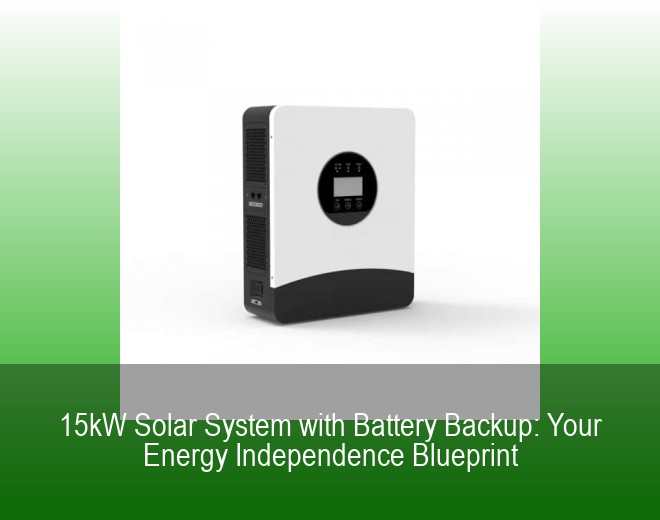
15kW Solar System with Battery Backup: Your Energy Independence Blueprint
You've probably wondered: "Can a 15kW solar system with battery backup truly power my home through blackouts?" The answer's evolved dramatically since 2023's battery density breakthroughs. Last month alone, California homeowners experienced 12 grid failures lasting 8+ hours - a 40% increase from 2022 averages.
 Inquiry
 Online Chat