


Stand-Alone Solar Power Solutions Demystified
Table of Contents
Why Off-Grid Solar Solutions Are Surging in 2023
You know, last month I met a rancher in Arizona who hadn't paid an electricity bill since 2019. His secret? A stand-alone solar system kit that powers everything from water pumps to Netflix binges. This isn't some fringe movement anymore - the U.S. off-grid solar market grew 47% year-over-year according to June 2023 data.
But why this sudden shift? Three converging factors:
- Utility rates up 14.3% nationally since 2021 (EIA figures)
- Panel costs down to $0.20/watt - cheaper than Ikea furniture per square foot
- New battery tech lasting 15+ years instead of 5
Anatomy of Modern Solar Kits
Let's break down a typical 5kW system (powers most 3-bed homes):
- 18 x 400W monocrystalline panels
- 48V lithium iron phosphate battery bank
- Hybrid inverter with grid-tie capability
- Smart monitoring system
The real game-changer? Modular design. You can start with a basic off-grid solar solution for $3,000 and scale up as needs grow. Take Maria Gonzalez in Texas - she began with a 1kW kit for her RV, then expanded to power her entire homestead during last winter's blackouts.
Battery Breakthroughs You Should Know
New LFP (lithium ferro phosphate) batteries solve the "solar zombie" problem - those old lead-acid units that died after 500 cycles. Current models handle 6,000+ cycles while maintaining 80% capacity. That's like charging your phone every day for 16 years!
Choosing Your Power Solution: Beyond the Hype
When Colorado banned gas generators in wildfire zones last month, solar kit inquiries tripled overnight. But not all solar power kits are created equal. Watch out for:
"Free battery for life" scams: They often mean "free" replacement if you pay double the market rate upfront. Legit companies like Huijue offer transparent 10-year warranties instead.
Location-Specific Design Matters
A Florida system needs hurricane-rated mounting, while Alaskan setups require cold-weather batteries. The 60/30/10 rule works well:
60% of budget on panels
30% on storage
10% on mounting/accessories
Real-World Success: From Concept to Kilowatts
Take the Smith family in California's Bay Area. Their $18,000 system (after tax credits) powers:
- Electric vehicle charging
- Air conditioning
- Pool filtration
Their secret sauce? Time-shifting energy use. They run heavy loads midday when panels peak, storing excess for evenings. PG&E's recent rate hikes? Doesn't faze them one bit.
Maintenance Myths Busted
Contrary to solar skeptics, modern systems are surprisingly hands-off. Annual costs average $150-$300 - mostly for occasional panel rinsing and software updates. The real maintenance star? Smart inverters that self-diagnose 93% of issues before they become problems.
When DIY Makes Sense (And When It Doesn't)
You could install panels like that TikTok influencer...if you enjoy climbing roofs in July. But for battery hookups? Leave it to certified pros. The $500-$1,000 installation fee beats frying your $10,000 battery bank.
The Hidden Economics of Energy Independence
Here's where it gets interesting: Solar kits aren't just cost savers anymore. In 12 states, you can actually earn credits by feeding excess power to neighbors via new microgrid programs. It's like being an energy Uber driver!
Hypothetical scenario: A 10kW system in New Mexico generates $1,200/year through peer-to-peer energy sharing. That's a 9-year payback period with today's tech - faster than most rooftop solar leases.
Cultural Shift: From Preppers to Pragmatists
Remember when off-grid living meant roughing it? Modern solar energy kits support 4K TVs and espresso machines. The new adopters aren't survivalists - they're suburban families and tech remote workers wanting predictable energy costs.
As wildfire seasons lengthen and grid reliability wanes, these systems transition from "nice-to-have" to critical infrastructure. The real question isn't "Why go solar?" but "Can you afford not to?"
Related Contents
Portable Solar Power Solutions Demystified
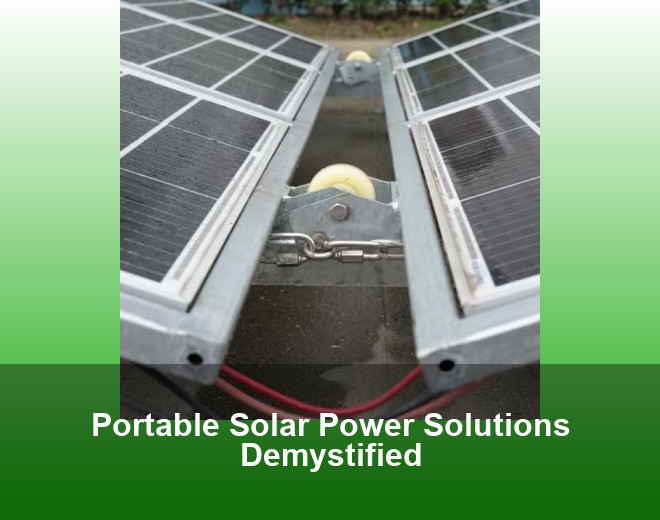
Ever found your phone dead during a hiking trip despite carrying a 20,000mAh power bank? You're not alone. Traditional portable solar power banks often disappoint because manufacturers rarely explain their actual sun-to-watt conversion rates. The 2023 NREL study revealed that 68% of consumers overestimate solar charging speeds by at least 300%.

Power Home Solar Solutions Demystified
You know what's wild? The average American household spends over $1,500 annually on electricity bills - that's roughly $125 disappearing into thin air every month. Power home solar systems aren't just about being eco-friendly anymore; they're becoming financial lifesavers in an era of unpredictable energy costs.
Affordable Solar Power: 12V Systems Demystified
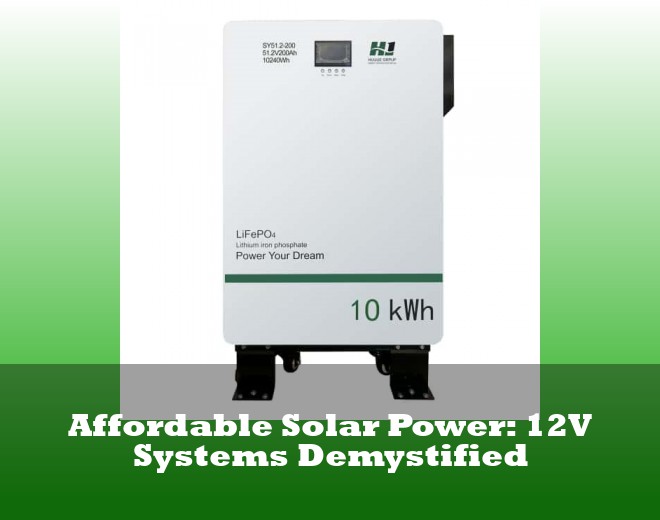
You’ve probably wondered why cheap solar panels often pair with 12V batteries. Well, it’s not just about cost - this voltage became the standard for marine/RV systems precisely because it balances safety with efficiency. A typical 100W polycrystalline panel (about $75 retail) can charge a 12V 100Ah lead-acid battery ($150) in 5-8 sunlight hours.
Solar Batteries in Cape Town: Power Solutions
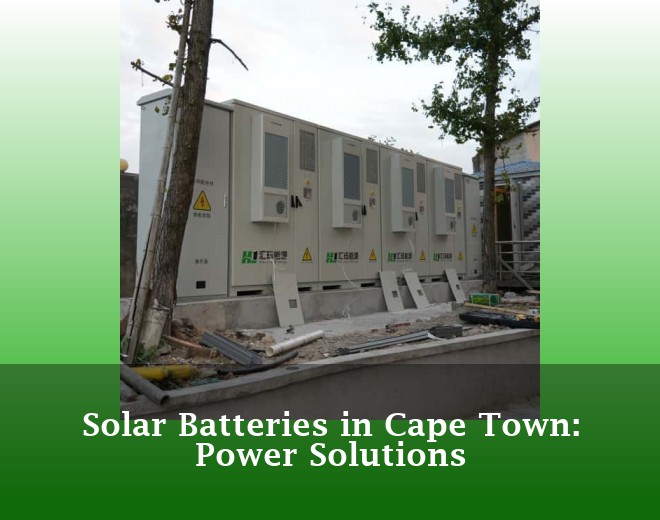
Ever wondered how Cape Town residents keep lights on during load-shedding? The answer lies in solar battery storage systems. With 2,800+ annual sunshine hours, the Mother City's solar potential remains largely untapped - until now.

Solar Energy Storage Solutions Demystified
You know how they say "make hay while the sun shines"? Well, modern solar storage systems sort of flip that script. The real challenge isn't collecting sunlight - we've gotten scarily good at that. Global solar installations grew 35% last year alone, but here's the kicker: about 18% of that generated energy gets wasted during peak production hours. That's enough to power all of Spain for a day, literally vanishing into thin air.
 Inquiry
 Online Chat