


ESS Manufacturing: Powering Renewable Energy Transition
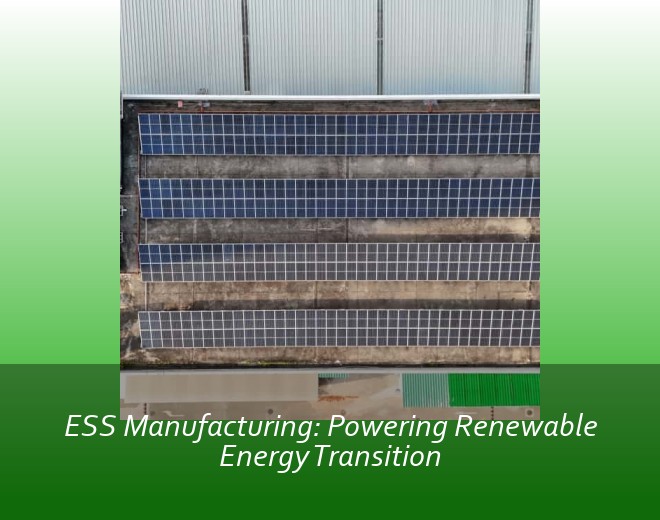
Table of Contents
The Unstable Grid Dilemma: Why Renewable Energy Needs ESS Manufacturing
Here's the thing - solar panels don't work at night, and wind turbines stand still on calm days. This intermittency problem causes 17% renewable energy curtailment in California's grid during peak production hours. Traditional power plants can't ramp up/down quickly enough to compensate, creating what engineers call the "duck curve" imbalance.
Now, battery storage systems are changing the game. Take Tesla's Hornsdale Power Reserve in Australia - its 150MW lithium-ion installation responded to a coal plant outage 140 milliseconds faster than traditional infrastructure. But how many realize this rapid response starts with precision manufacturing?
From Lab to Grid: Manufacturing Innovations Driving Adoption
Modern ESS production isn't just about assembling batteries. The real magic happens in:
- Battery cell stacking with 0.2mm alignment precision
- Thermal management systems using phase-change materials
- AI-powered quality control detecting microscopic defects
At Huijue's Shenzhen facility, we've reduced module assembly time by 40% using collaborative robots. "It's like watching a ballet of machinery and code," says lead engineer Zhang Wei. But wait - does faster production compromise safety? Actually, our defect rate dropped from 500ppm to 50ppm since implementing 3D X-ray inspection.
The Containerized ESS Revolution: Plug-and-Play Energy Solutions
Remember when data centers needed custom buildings? Today's modular ESS units follow similar containerization trends. The 2025 Vietnam Energy Expo will showcase 20-foot units delivering 5MWh capacity - enough to power 1,500 homes for 4 hours.
What makes these systems game-changers?
- 72-hour deployment vs. 18-month traditional plants
- Scalable capacity through parallel connection
- Sea transportation certification for global deployment
Battery Material Realities: Navigating the Sustainability Tightrope
While lithium-ion dominates with 92% market share, manufacturers face hard choices. Cobalt mining's ethical issues vs. LFP batteries' lower density. Nickel's volatility vs. manganese's limited supply.
Here's where it gets interesting - researchers are achieving 700Wh/kg prototypes using silicon-dominant anodes. That's 3x current industry standards! But can these lab marvels survive 10,000 charge cycles? Our stress tests suggest... maybe not yet.
Manufacturing's Hidden Climate Impact
Producing 1MWh of lithium batteries releases 5-15 tons CO₂. Yet through closed-loop recycling and renewable-powered factories, leaders like BYD have slashed this by 60% since 2020. It's not perfect, but progress worth celebrating.
As ESS Vietnam 2025 approaches, manufacturers must balance scale with sustainability. The solutions exist - from dry electrode processing to sodium-ion alternatives. The question isn't technical feasibility, but commercial viability. And frankly, that's where the real innovation battle lies.
Related Contents
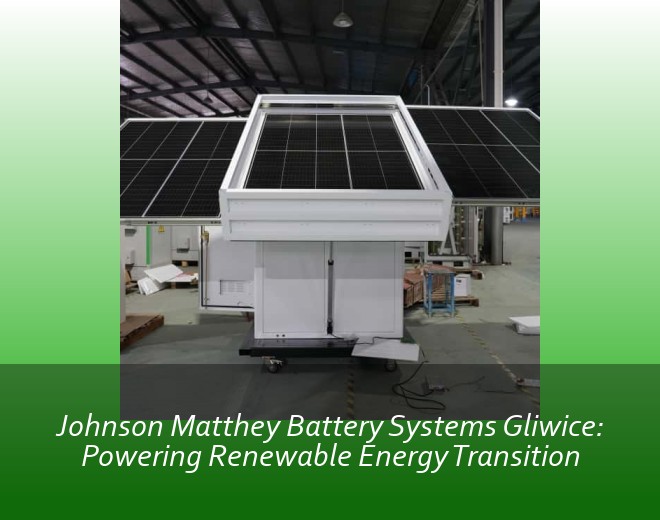
Johnson Matthey Battery Systems Gliwice: Powering Renewable Energy Transition
You know how everyone's talking about renewable energy these days? Well, here's the kicker: Poland's JMBS Gliwice facility is quietly solving the problem that keeps utility managers awake at night - how to store all that clean power effectively. Recent data shows Europe's battery storage capacity grew 62% in 2024 alone, but what does that actually mean for our energy grids?
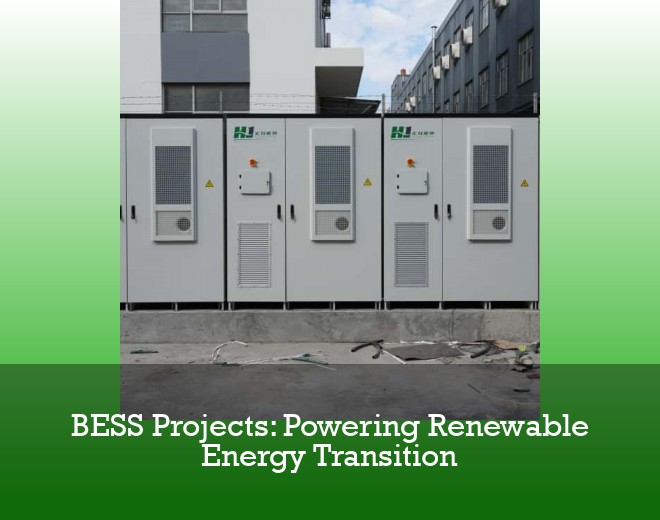
BESS Projects: Powering Renewable Energy Transition
It's 8 PM in California, and solar panels across the state have stopped generating. The grid operator just activated six BESS facilities totaling 2.1 GW – enough to power 1.6 million homes during peak demand. This isn't sci-fi; it's what happened during September 2023's heatwave, preventing blackouts across three states.
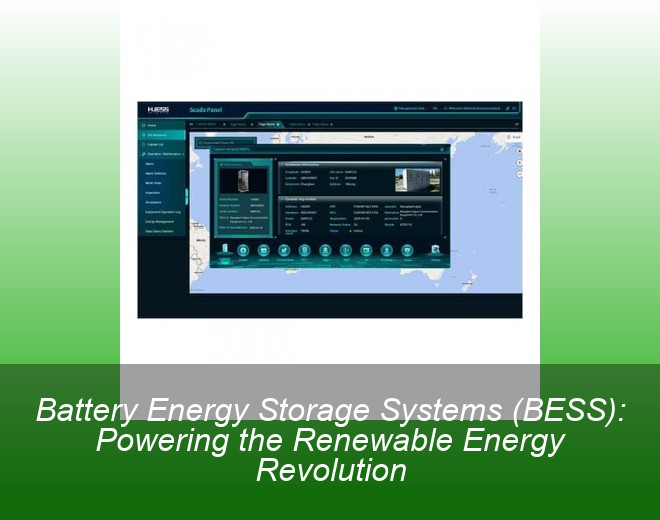
Battery Energy Storage Systems (BESS): Powering the Renewable Energy Revolution
Ever wondered why your solar panels stop working during blackouts? Battery Energy Storage Systems (BESS) hold the answer. With global renewable energy capacity growing 15% annually since 2020, the real challenge isn't generation—it's storing that clean power when the sun sets or winds die. Traditional grids lose up to 30% of renewable energy due to mismatched supply and demand cycles.
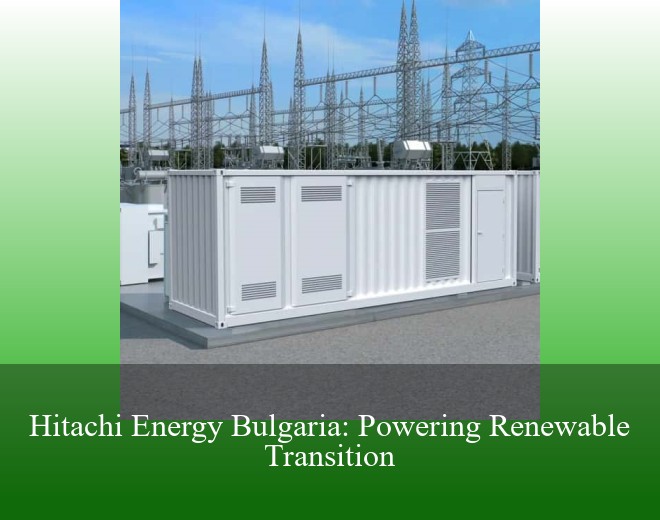
Hitachi Energy Bulgaria: Powering Renewable Transition
You know how they say "you can't teach an old grid new tricks"? Well, Bulgaria's aging power infrastructure currently operates at 68% efficiency - 12% below EU averages. With coal still generating 40% of electricity, the country faces mounting pressure to meet EU's 2030 renewable targets. But here's the kicker: last winter's blackouts in Sofia revealed critical vulnerabilities during peak demand periods.
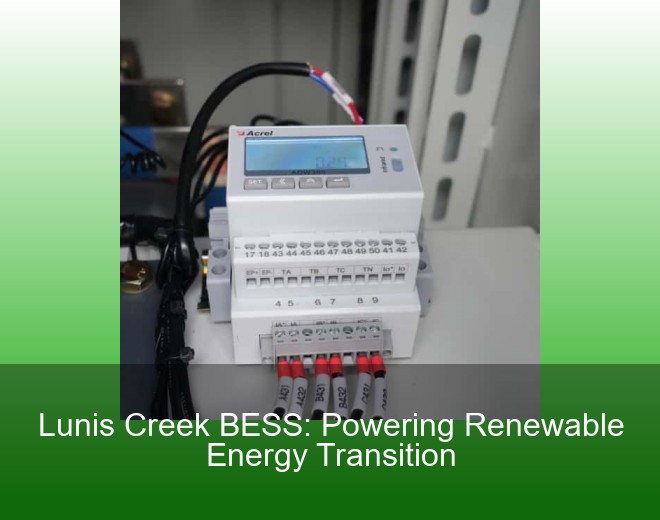
Lunis Creek BESS: Powering Renewable Energy Transition
Ever wondered why your lights flicker during heatwaves? The answer lies in our aging grid's struggle to handle renewable energy's natural variability. As of March 2025, solar and wind contribute 37% of global electricity – a record high that's exposing critical infrastructure gaps.
 Inquiry
 Online Chat