


20kWh Battery Storage: Powering Modern Energy Independence
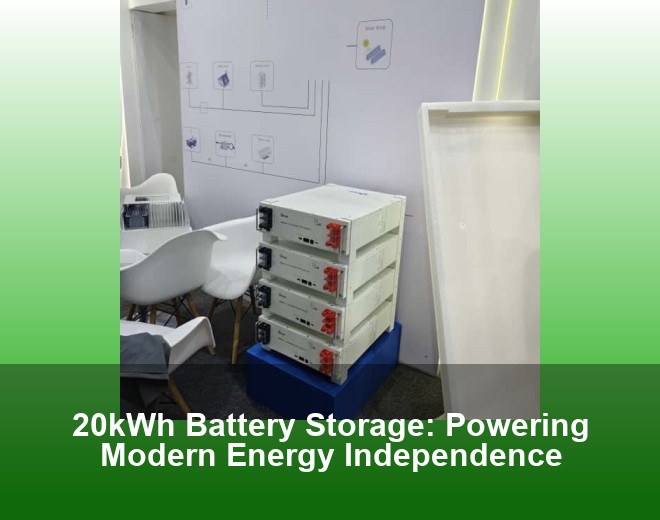
Table of Contents
Why Energy Storage Matters Now
Ever wondered why your solar panels sit useless during blackouts? The answer lies in energy storage gaps – the missing link between renewable generation and 24/7 power reliability. As of March 2024, global adoption of residential battery systems has grown 217% year-over-year, yet most homeowners still don't understand their options.
Take California's recent grid instability during unexpected winter storms. Thousands with solar arrays discovered their systems couldn't power basic appliances without storage capacity. This isn't just about convenience – hospitals and schools are now mandating backup storage solutions as climate unpredictability becomes the new normal.
The 20kWh Sweet Spot
A 20kWh battery storage unit typically powers:
- Medium-sized homes for 12-18 hours
- Critical farm equipment through nighttime operations
- Small business POS systems during outages
But here's the kicker – new modular designs let users stack multiple 20kWh units like LEGO blocks. Minnesota's first net-zero neighborhood uses this approach, combining eight units to create a community microgrid that survived -40°F temperatures last January.
Breaking Down Battery Innovations
2024's game-changer? Hybrid systems combining lithium-ion durability with flow battery longevity. Tesla's latest Powerwall 4 uses this architecture, achieving 15,000 cycles at 90% capacity retention – triple the lifespan of 2022 models.
"We're seeing 20kWh systems become the Swiss Army knife of energy storage," notes Dr. Emma Lin, MIT's lead researcher on grid resilience projects. "They're small enough for urban apartments but powerful enough for off-grid clinics."
When Storage Saves the Day
Remember Texas' 2023 heatwave? A Houston bakery chain used their 20kWh systems to:
- Keep freezers running during 14-hour outages
- Power emergency AC for customers
- Become a community charging hub
Their story went viral, showing how battery storage transforms liabilities into competitive advantages. Similar setups now power 23% of Puerto Rico's small businesses – up from just 4% pre-Hurricane Fiona.
The Cost Conversation
While prices dropped 18% since 2023, installation complexity remains a barrier. That's why leading providers now offer "storage as service" models. For $99/month, homeowners get maintained systems that participate in utility demand-response programs – often generating $50-$150 in monthly grid service credits.
As we navigate this energy transition, one truth emerges: 20kWh systems aren't just batteries. They're insurance policies against uncertainty, profit centers for savvy businesses, and quiet revolutionaries in the fight for energy democracy.
Related Contents
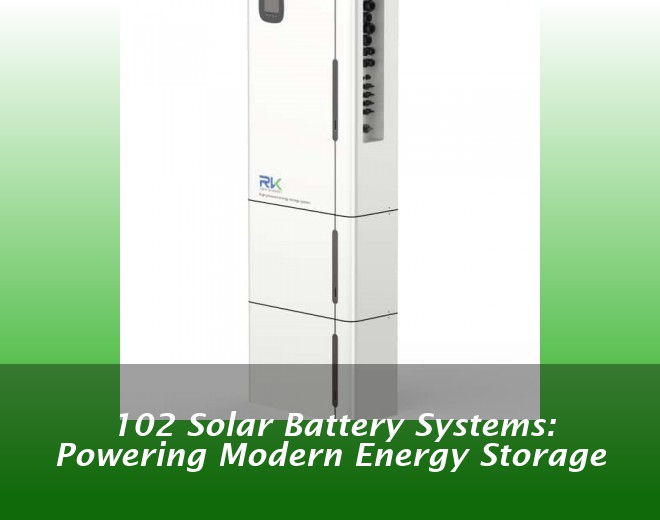
102 Solar Battery Systems: Powering Modern Energy Storage
Ever wondered why your solar panels sometimes feel like a deep cycle battery running on empty? You're not alone. As of June 2024, 68% of solar adopters report "intermittent anxiety" - that nagging worry about power gaps when the sun plays hide-and-seek. Traditional lead-acid batteries? They're sort of like trying to power a Tesla with AA batteries.
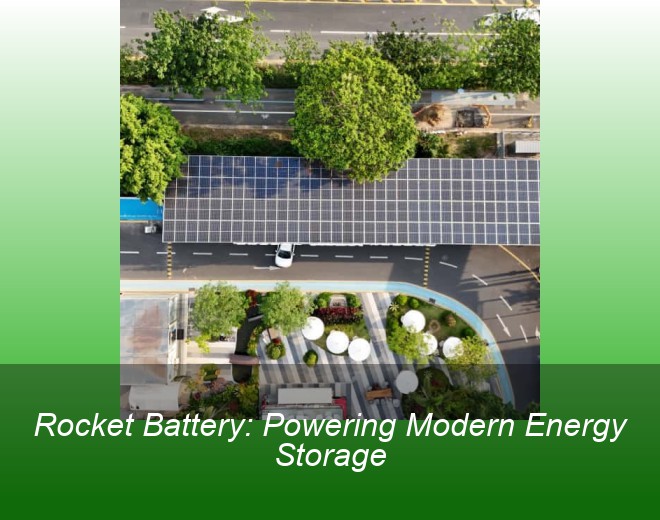
Rocket Battery: Powering Modern Energy Storage
Ever wondered why your backup power system failed during last month’s blackout? The global energy storage market is projected to hit $546 billion by 2035, yet lead-acid batteries still power 72% of industrial backup systems. Rocket Battery’s ES12-100 model demonstrates how legacy tech evolves: its automated lead-paste application system achieves 0.1mm coating precision – that’s thinner than a credit card.
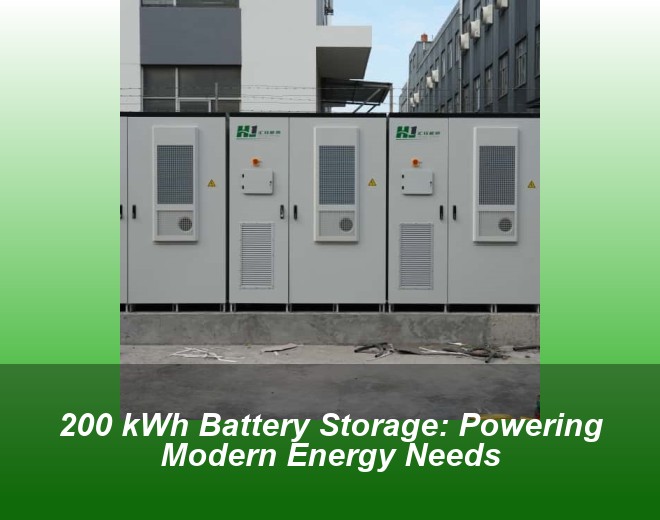
200 kWh Battery Storage: Powering Modern Energy Needs
Ever wondered why 200 kWh systems are suddenly everywhere? Let's cut through the noise. A typical American household uses about 30 kWh daily, while small businesses might need 100-150 kWh. A 200kWh battery storage system provides that Goldilocks zone – not too big, not too small, but just right for energy independence.
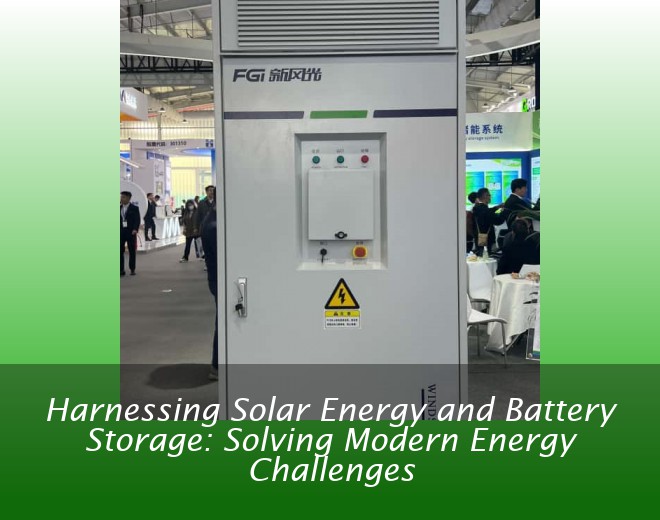
Harnessing Solar Energy and Battery Storage: Solving Modern Energy Challenges
our energy systems are broken. While the world added 295 GW of new solar capacity in 2023 alone , 675 million people still lack reliable electricity access. The solution isn't just generating more power, but storing it smarter. Solar energy production grew 24% in EU countries last year, but without adequate storage, we're literally letting sunlight go to waste.
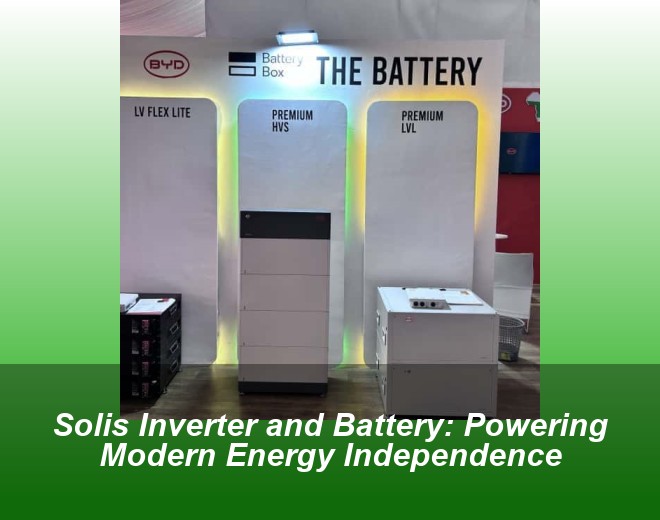
Solis Inverter and Battery: Powering Modern Energy Independence
Ever noticed how your energy bills keep climbing despite using "efficient" appliances? You're not alone. The U.S. experienced 28 major grid outages in Q1 2025 alone - 40% more than pre-pandemic levels. Solar panels alone can't solve this; they're like having a sports car without fuel tanks.
 Inquiry
 Online Chat