


US Energy Storage: Powering Tomorrow
Table of Contents
The Current State of US Energy Storage
America's energy storage capacity isn't keeping up with its renewable ambitions. While solar installations grew 35% year-over-year in 2023, battery storage systems only saw 18% growth. This mismatch creates what industry insiders call the "sunset paradox" - solar farms producing excess energy during daylight that literally disappears when night falls.
Here's the kicker: The US Department of Energy estimates we'll need 100 GW of new storage capacity by 2030 to meet clean energy targets. But wait, no - that number might actually be conservative. California's 2022 heatwave proved existing storage could only meet 60% of peak demand, forcing rolling blackouts across Silicon Valley.
The Economics of Storing Sunshine
You know how people say "solar energy's free"? Well, storing it certainly isn't. Lithium-ion battery prices dropped 89% since 2010, but installation costs still average $350/kWh. For a typical Texas household wanting 24-hour solar backup? That's about $15,000 upfront - enough to make even eco-conscious homeowners think twice.
Why Storage Adoption Lags Behind Renewables
Three main roadblocks keep energy storage solutions from mainstream adoption:
- Regulatory whiplash (28 states still lack clear storage mandates)
- Material shortages (lithium production can't keep pace)
- Public misconceptions ("Aren't batteries just for phones?")
Take Arizona's controversial "solar tax" proposal last month. It would've penalized homes with storage systems, arguing they weren't paying their fair share for grid maintenance. The bill died in committee, but similar debates rage nationwide.
When Physics Meets Finance
Batteries degrade. Solar panels don't. That simple truth explains why Warren Buffett's Berkshire Hathaway prefers wind investments over storage projects. A 2023 MIT study showed lithium-ion systems lose 20% capacity after 5,000 cycles - just when they should be hitting peak profitability.
Breakthrough Solutions Changing the Game
Enter flow batteries - the unsung heroes using liquid electrolytes instead of solid materials. Primus Power's zinc-based systems in California have maintained 98% capacity after 10,000 cycles. Not perfect, but getting closer to grid-scale viability.
"We're not just storing electrons anymore - we're time-traveling energy," says Dr. Elena Martinez, CTO of ReVolt Energy.
Then there's thermal storage - think molten salt instead of lithium. Crescent Dunes' Nevada facility stores sun-heated salt at 565°C, releasing energy on demand. It powered 75,000 homes through last winter's polar vortex when gas lines froze.
The Iron Renaissance
Iron-air batteries could solve the lithium crunch. Form Energy's pilot plant in Minnesota uses rusting (yes, rusting) iron to store energy for 100 hours straight. At $20/kWh, it's 10x cheaper than lithium alternatives. The catch? These units are the size of washing machines - fine for utilities, not so much for suburban garages.
Real-World Success Stories
Let's talk about Texas. After 2021's grid collapse, the Lone Star State became the unlikely leader in renewable energy storage. ERCOT's battery capacity jumped from 225 MW to 3.5 GW in just 18 months. During July's heatwave, these systems provided crucial grid inertia - something people don't realize batteries can even do.
Then there's Tesla's "Virtual Power Plant" experiment in Vermont. By linking 500 Powerwall-equipped homes, they created a 2.5 MW dispatchable resource. During peak demand, the utility pays homeowners $2/kWh to draw from their batteries. It's like Airbnb for electrons.
What's Next for Energy Storage?
The Inflation Reduction Act's 30% tax credit makes 2023-24 the best time ever to install storage. But will that be enough? Industry analysts predict three seismic shifts:
- Second-life EV batteries repurposed for grid storage
- AI-driven "predictive storage" anticipating weather patterns
- Hydrogen hybrids combining battery speed with fuel cell endurance
Duke Energy's latest pilot in Florida combines all three. Their "Cognitive Energy Hub" uses retired Chevy Bolt batteries, weather AI, and hydrogen backup to power a 15,000-home microgrid. Early results show 40% cost savings over traditional systems.
The Copper Conundrum
Here's something most articles miss: The storage boom could strain copper supplies. A single 100 MW battery farm needs 5 tons of copper - equivalent to 500,000 iPhone charging cables. With mines taking 10+ years to permit, recyclers like Redwood Materials are stepping up to close the loop.
As we head into 2024, one thing's clear: Energy storage systems aren't just supporting actors in the clean energy transition anymore. They're becoming the backbone of a grid that needs to be both cleaner and more resilient. The question isn't whether storage will scale - it's how quickly we can reinvent our infrastructure to let it shine.
Related Contents
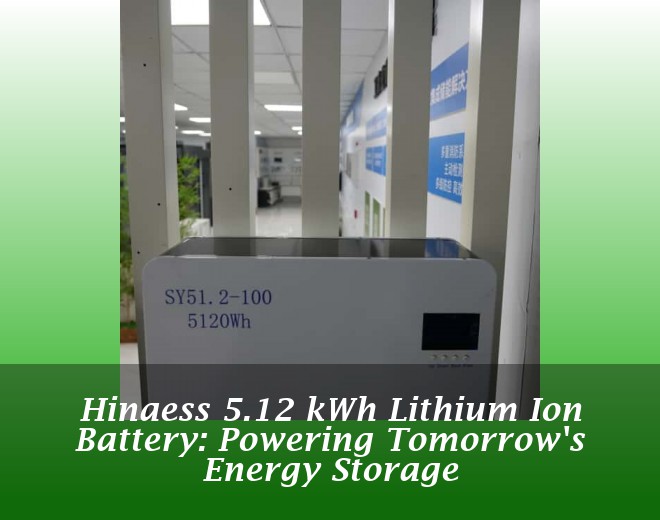
Hinaess 5.12 kWh Lithium Ion Battery: Powering Tomorrow's Energy Storage
Have you ever wondered why lithium-ion battery technology became the backbone of modern energy storage? The Hinaess 5.12 kWh system represents more than just incremental improvement - it's addressing three critical pain points in renewable energy adoption:
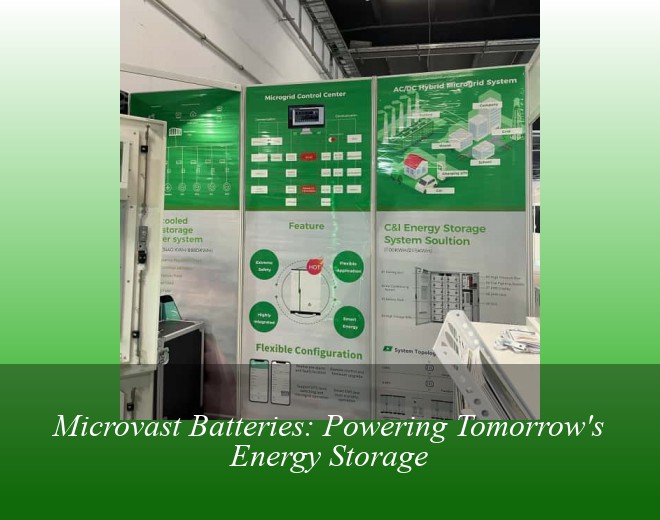
Microvast Batteries: Powering Tomorrow's Energy Storage
Why do renewable energy projects still struggle with inconsistent power supply? The answer lies in battery limitations - short lifespans, safety concerns, and inadequate storage capacity. Traditional lithium-ion batteries typically last 8-12 years, creating a maintenance nightmare for solar farms and wind installations.
Solar Energy Storage: Powering Tomorrow Sustainably
California's grid operators curtailed 2.4 million MWh of solar energy in 2022 - enough to power 350,000 homes annually. This glaring inefficiency exposes the Achilles' heel of renewable energy systems. Without proper energy storage solutions, we're literally throwing sunlight away.
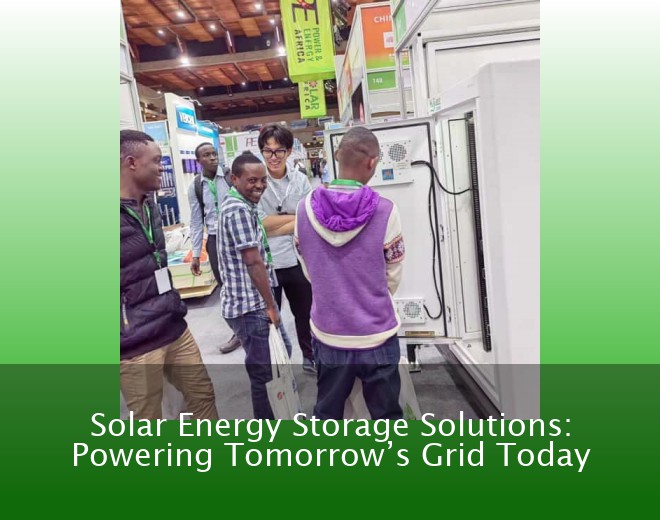
Solar Energy Storage Solutions: Powering Tomorrow’s Grid Today
Let's cut to the chase – energy storage is the make-or-break factor in our clean energy transition. You know those shiny new solar farms popping up everywhere? Well, here's the kicker: without proper storage, we're basically throwing away 30-40% of the energy they generate. California's duck curve problem isn't some abstract concept – it's costing ratepayers $150 million annually in curtailed solar power.
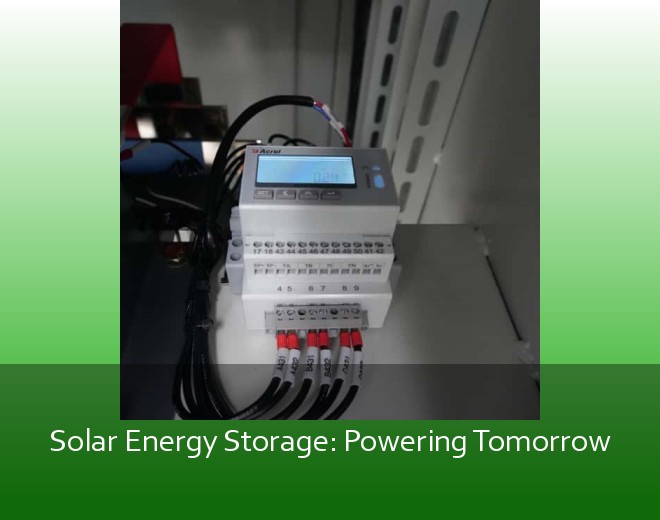
Solar Energy Storage: Powering Tomorrow
Ever wondered why solar panels haven't single-handedly solved our energy crisis? The truth's more complex than Instagram influencers would have you believe. Despite global solar capacity hitting 1.2 terawatts last quarter, grid instability incidents increased by 17% in sun-rich regions like California and Spain.
 Inquiry
 Online Chat