


Solar Price in UAE: Trends & Solutions
Table of Contents
Why Solar Prices Are Plummeting
You know what's wild? The UAE's average solar price dropped 62% since 2020 – now sitting at AED 0.12/kWh ($0.03). That's cheaper than bottled water in Dubai supermarkets. But how'd they pull this off?
Three factors collided like desert sandstorms meeting skyscrapers:
- Massive utility-scale projects (think Mohammed bin Rashid Al Maktoum Solar Park hitting 5GW capacity)
- New tariff structures favoring distributed generation
- Chinese module prices crashing 40% post-trade agreement
The Policy Engine
Here's where it gets juicy. The UAE's Energy Strategy 2050 isn't just paperwork – it's reshaping markets. They've basically created a solar playground through:
- 100% foreign ownership in renewable projects
- Waived import duties on PV components
- Net metering programs that actually make sense for homeowners
Silicon Valleys in the Desert
Wait, no – scratch that. The real magic's happening with TOPCon and HJT technologies. Dubai's new 800MW plant uses bifacial modules that capture reflected light from sand dunes, boosting output by 11%.
And get this – they're testing perovskite solar cells that could slash prices another 30% by 2026. flexible solar films on curved Burj Al Arab windows generating power while reducing AC costs.
When Sun Meets Moon
Solar's great, but what happens at night? Enter lithium-iron-phosphate batteries – the unsung heroes. The recent Jebel Ali project combines 200MW solar with 100MWh storage, providing stable power 24/7. Their secret sauce? AI-driven load forecasting that predicts energy demand better than your local weatherman predicts rain.
The Road Ahead
With Solar & Storage Live Dubai 2025 around the corner , industry leaders are betting big on three trends:
- Floating solar farms in Persian Gulf waters
- Blockchain-powered energy trading between prosumers
- Hydrogen co-production from excess solar
But here's the kicker – residential adoption still lags. Why? Most expats rent rather than own homes. The solution might be solar leasing models where landlords and tenants split savings.
One thing's clear: the UAE's solar journey proves oil-rich nations can lead the energy transition. As they say here – the stone age didn't end from lack of stones, and the oil age won't end from lack of oil. It'll end because solar became the smarter play.
Related Contents

Solar System for Home Price in Nigeria: Costs, Trends, and Smart Energy Solutions
You know that feeling when your freezer thaws during a blackout? For 43% of Nigerian households, this isn’t just an inconvenience—it’s weekly reality. The national grid supplies only 4,000MW for 200 million people, creating a solar energy adoption boom. But why now? Three factors collided in 2025:
Solar Light Battery Price Trends and Cost Optimization
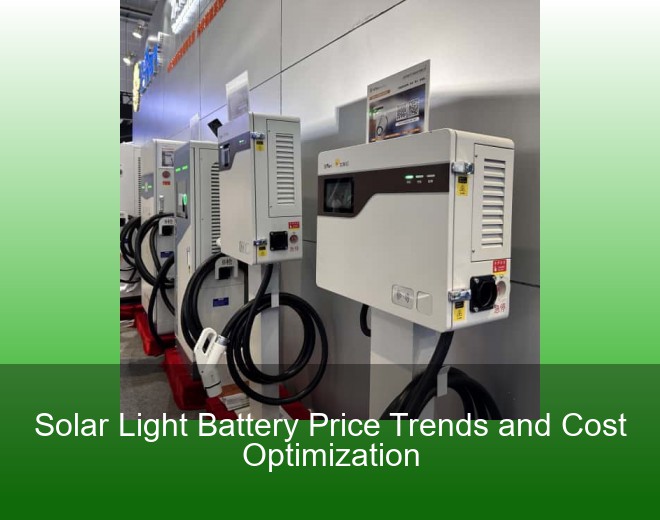
You know how everyone's suddenly talking about solar battery prices? Well, there's a good reason. Last quarter alone, lithium carbonate prices dropped 34% - the steepest decline since 2020. This isn't just some temporary sale; it's reshaping how we power our homes.
Solar Batteries Price Trends 2023
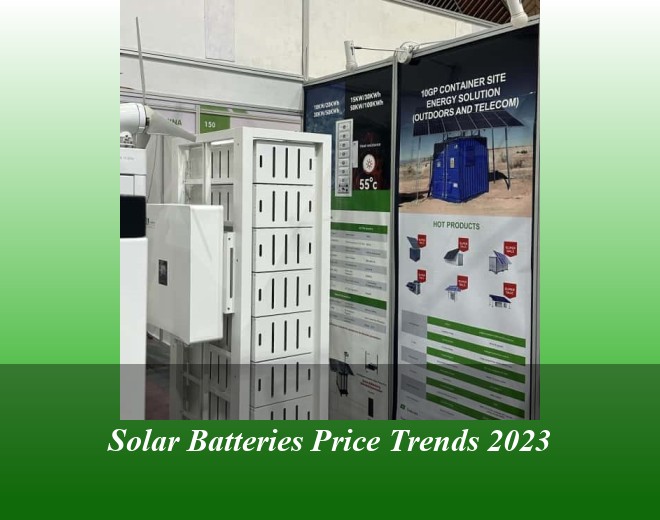
You know what's wild? The average cost of solar battery storage dropped 12% last year alone. But here's the kicker - most homeowners still think they can't afford it. Let me break down what's really driving these price changes.
Lithium Solar Battery Price Trends 2025
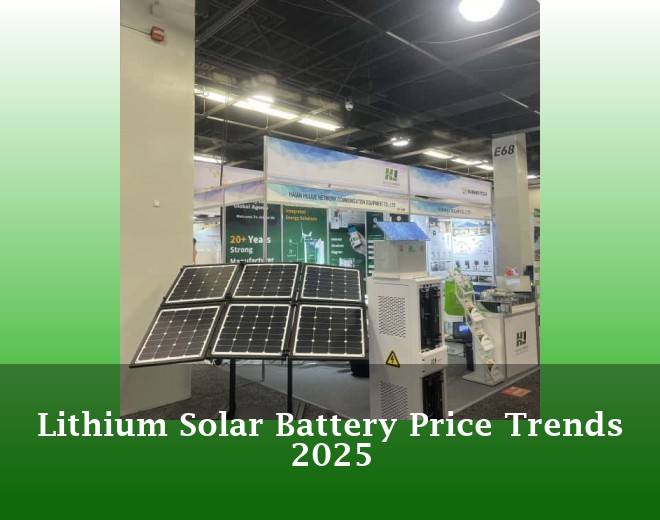
Let's cut through the noise. A 5kWh residential lithium solar battery currently ranges from $980 to $3,650 in China's manufacturing hubs . But here's the kicker—identical specs might cost 40% more in U.S. markets. Why the rollercoaster ride?
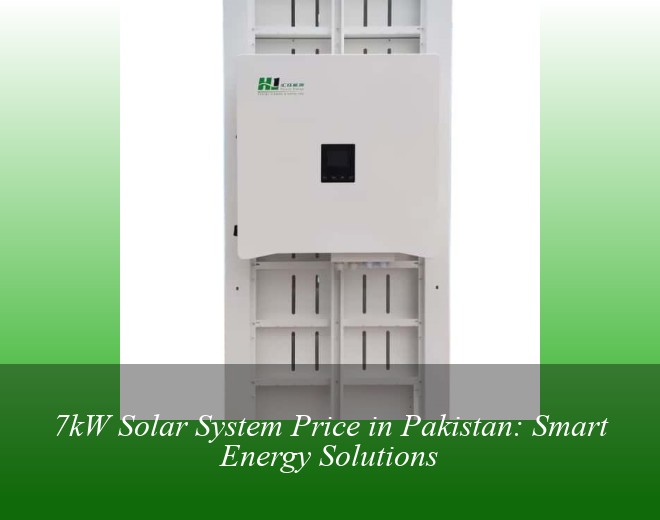
7kW Solar System Price in Pakistan: Smart Energy Solutions
You know what's wild? A country with 300+ sunny days annually still suffers 8-hour daily power cuts. Pakistan's energy deficit hit 6,000MW in 2024, pushing households toward solar solutions. But here's the kicker - 7kW systems have become the sweet spot for middle-class homes, offering full AC coverage and surplus energy sales to the grid.
 Inquiry
 Online Chat