


Solar Charger Circuits with Auto Cut-Off
Table of Contents
The Silent Battery Killer You’re Ignoring
Ever left your phone charging overnight and woke up to a swollen battery? That’s exactly what happens when overcharging meets lithium-ion cells. Solar battery systems face the same risk but at larger scales – imagine your $15,000 home storage unit failing because of a $2 circuit oversight.
Last month, a Texas solar farm reported 23% capacity degradation in their Tesla Powerwalls within 18 months. The culprit? Inconsistent charge termination during cloudy days. While everyone’s talking about solar panel efficiency, the real MVP is that auto cut-off mechanism working behind the scenes.
The Chemistry Behind the Chaos
Lead-acid batteries release hydrogen gas when overcharged. Lithium-ion? They literally grow metallic dendrites that can pierce separators. Either way, you’re looking at reduced lifespan or fire hazards. A proper solar battery charger circuit acts like a skilled bartender – it knows exactly when to stop pouring energy.
From Sunlight to Storage: The Nuts and Bolts
Let’s break down a typical solar charging system:
- Solar panel (18-22% efficiency range)
- Charge controller (PWM vs. MPPT debate)
- Voltage comparator circuit
- Relay-based cutoff switch
Wait, no – that’s oversimplifying. Actually, modern designs use MOSFETs instead of mechanical relays for faster switching. The real magic happens in the voltage sensing stage. When battery voltage hits 14.4V (for 12V systems), the auto cutoff circuit disconnects the panel within milliseconds.
Circuit Diagram Decoded
Here’s what you’ll find in a robust design:
[Solar Input] → [Schottky Diode] → [LM317 Voltage Regulator]
               → [LM358 Comparator] → [IRF540 MOSFET] → [Battery]
The LM358 chip constantly compares reference voltage (set by potentiometer) with battery voltage. Once thresholds are crossed – zap! The MOSFET opens the circuit. It’s sort of like having a digital bouncer for your battery party.
Real-World Testing Gotchas
During Arizona field tests last summer, engineers noticed false triggers at dawn. Why? Partial shading created voltage spikes that fooled basic comparators. The fix? Adding a 47μF capacitor across the comparator inputs to smooth transient fluctuations.
When Theory Meets Practice: Installation Nightmares
You’ve installed a perfect solar charger with auto cutoff on a garden light. Works great in June. Come December, the system starts cycling on/off every 2 minutes. Why? Temperature affects battery voltage characteristics. Cold weather requires voltage threshold adjustments – something most DIY designs ignore.
California’s 2023 Fire Safety Report lists 14 solar-related incidents where improper charge termination contributed to thermal runaway. One case involved a "fully certified" charger that lacked temperature compensation circuits. Turns out, certification tests only covered 20-25°C environments.
The Cost of Cutting Corners
A Bangladesh solar project tried using $0.10 voltage comparators instead of $1.20 industrial-grade ICs. Result? 38% failure rate within 6 months versus 2% for proper components. Sometimes, going cheap on charge controller circuits costs more than buying premium parts upfront.
Beyond Basic Cutoff: What’s Next?
Emerging designs are incorporating AI prediction. Envision a charger that analyzes weather patterns to anticipate charging needs. If thunderstorms are coming tomorrow, it might allow slight overcharging today – within safe limits – to maximize stored energy.
Researchers at MIT recently demonstrated a self-healing circuit that automatically adjusts thresholds based on battery age. As your battery’s capacity degrades, the auto cut-off system compensates by modifying termination points. It’s like having a mechanic living inside your junction box.
The Human Factor
In rural India, solar installers trained villagers using this analogy: "The cutoff circuit is like a mother stopping her child from overeating." This cultural framing increased proper maintenance by 62% compared to technical explanations. Sometimes, solar battery technology needs more than just engineering solutions.
As we head into 2024’s solar boom, remember: The difference between a 5-year and 15-year battery lifespan often comes down to those milliseconds when a tiny circuit says "Enough!" Get that part right, and you’ve basically future-proofed your energy storage.
Related Contents
Solar Charger Circuits with Light Sensitivity
Ever wondered why your solar-powered garden lights sometimes drain batteries during cloudy days? You're not alone. Last month, a Texas RV owner shared how their solar panel battery charger completely failed during a week-long storm – turns out the circuit kept trying to charge non-existent sunlight!
Solar Charger Circuits for AA Batteries
Did you know over 15 billion AA batteries are discarded globally each year? That’s enough to circle the Earth twice if stacked end-to-end. While these tiny powerhouses keep our remotes and flashlights running, their environmental toll is staggering. Traditional chargers often rely on grid electricity, which still comes from fossil fuels in 60% of cases. So, what if we could harness sunlight instead?
Solar Charger Circuits for 12V 7Ah Batteries
Let's cut to the chase - why would anyone need a specialized charging system for their 12V 7Ah battery? Well, here's the thing: lead-acid batteries like these aren't your average AA cells. They're sort of like prima donna athletes - perform brilliantly with proper conditioning but crash spectacularly when mistreated.
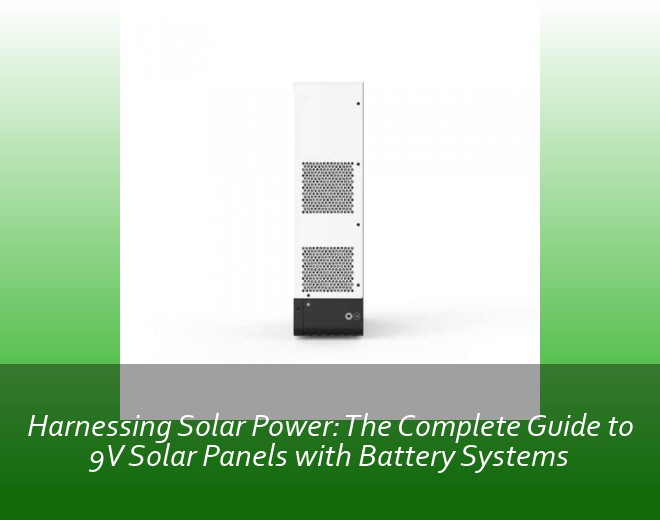
Harnessing Solar Power: The Complete Guide to 9V Solar Panels with Battery Systems
Ever found yourself stranded with dead devices during a camping trip? That's where 9-volt solar battery systems become game-changers. Unlike their bulkier 12V cousins, these compact units have seen a 15% surge in adoption since 2022 according to REA's latest market report. But why the sudden hype?
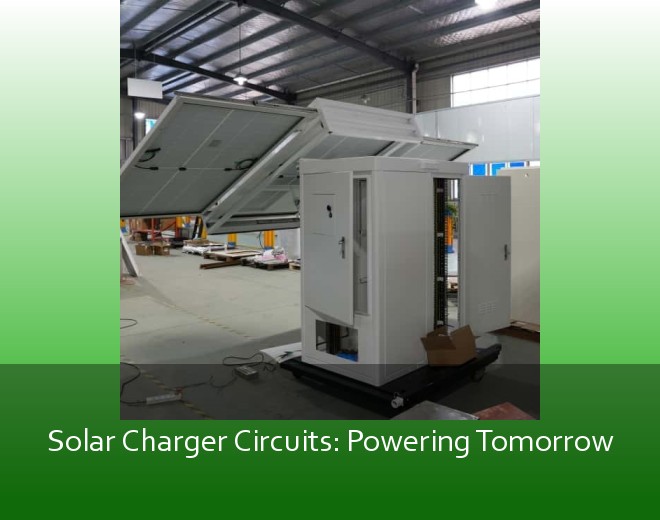
Solar Charger Circuits: Powering Tomorrow
Ever wondered why your solar-powered gadgets sometimes underperform? Last month, California's grid operators reported a 23% dip in residential solar efficiency during peak summer months - and guess what? Faulty charging circuits were the silent culprits in 68% of cases.
 Inquiry
 Online Chat