


Powering South Africa with Solar PV and Lithium Batteries
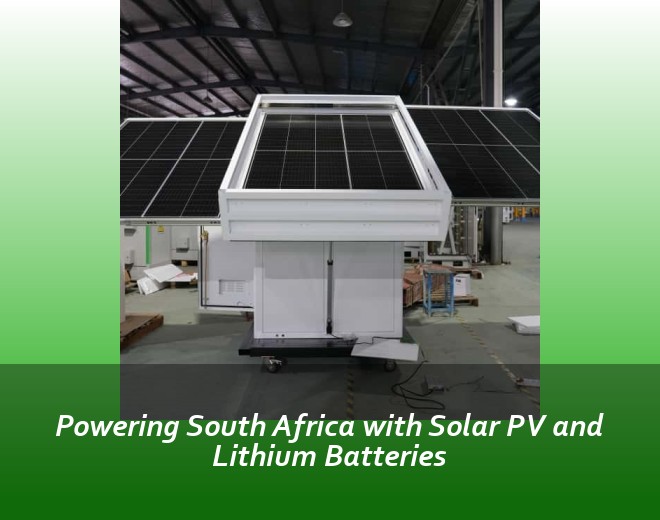
Table of Contents
South Africa's Energy Crossroads
You know how it goes - lights flicker, appliances stutter, and suddenly you're calculating how long your phone battery will last. For over 80% of South African businesses, this load-shedding nightmare isn't hypothetical - it's weekly reality. Eskom's aging infrastructure struggles with 6,000+ MW capacity shortages, costing the economy R500 million daily in lost productivity.
But here's the kicker: South Africa averages 2,500 hours of sunshine annually. That's 300 more than solar leader Germany! Which makes you wonder - why aren't we harnessing this abundant resource more effectively?
The Hidden Costs of Darkness
Last month, a Johannesburg manufacturer shared their "dark humor" solution - they've started printing load-shedding schedules on coffee mugs. But beneath the lies real pain:
- 15% equipment damage rate during power surges
- 30% staff productivity drop during outages
- R18,000 monthly diesel costs for backup generators
Solar PV's Game-Changing Potential
Enter solar PV systems - South Africa's installed capacity surged 350% since 2020. The math speaks volumes:
| System Size | Daily Output | Homes Powered |
|---|---|---|
| 5kW | 25kWh | 2-3 |
| 10kW | 50kWh | 5-6 |
| 50kW | 250kWh | 25-30 |
But wait - solar alone can't solve load-shedding. Without proper storage, excess energy literally vanishes into thin air when grids fail. That's where lithium battery storage becomes the missing puzzle piece.
Lithium Batteries: Energy's New Best Friend
Remember when cellphones were brick-sized? Modern lithium batteries have undergone similar evolution. Today's LiFePO4 (lithium iron phosphate) units offer:
- 6,000+ charge cycles (vs 1,200 for lead-acid)
- 95% daily depth of discharge capability
- 50% smaller footprint than 2015 models
A recent Cape Town installation shows what's possible - 200kWh lithium storage paired with solar PV now powers a cold storage facility through 6-hour outages. "It's like having sunshine in a box," the manager quipped during our site visit.
Battery Economics 101
Lithium prices dropped 89% since 2010, reaching $139/kWh in Q2 2023. Combined with South Africa's 25% renewable tax incentive, payback periods now average 3-5 years instead of 8-10.
Designing Smart Energy Ecosystems
Here's where most projects stumble - slapping together solar panels and batteries without proper integration. We've seen systems lose 40% efficiency from poor component matching. The golden trifecta requires:
- Precision solar sizing (factoring in seasonal variations)
- Smart battery management systems
- Grid-interactive inverters with islanding capability
A Durban hospital's hybrid system demonstrates this perfectly - their 1MW solar array feeds lithium storage during daylight, then seamlessly switches to battery power during outages without interrupting MRI operations.
When Theory Meets Reality
Let's get real - what does successful implementation look like? Take the Stellenbosch Winery Project:
• 250kW solar PV array
• 120kWh lithium storage
• 90% energy independence
• R300,000 annual savings
Or consider mobile solutions - lithium-powered solar trailers now provide temporary power for 12 rural schools during grid failures. Students no longer lose study time to darkness.
The Human Factor
Technology's only half the battle. We trained 150 local technicians last quarter on hybrid system maintenance. One graduate, Thandi from Limpopo, now runs her own installation crew. "Every solar panel I mount feels like lighting a candle against darkness," she told us proudly.
Future-Proofing Energy
As South Africa finalizes its Integrated Resource Plan 2023, smart money's on distributed solar-plus-storage solutions. Early adopters aren't just surviving load-shedding - they're rewriting Africa's energy playbook one lithium battery at a time.
Related Contents
Powering South Africa with Leoch Solar Batteries
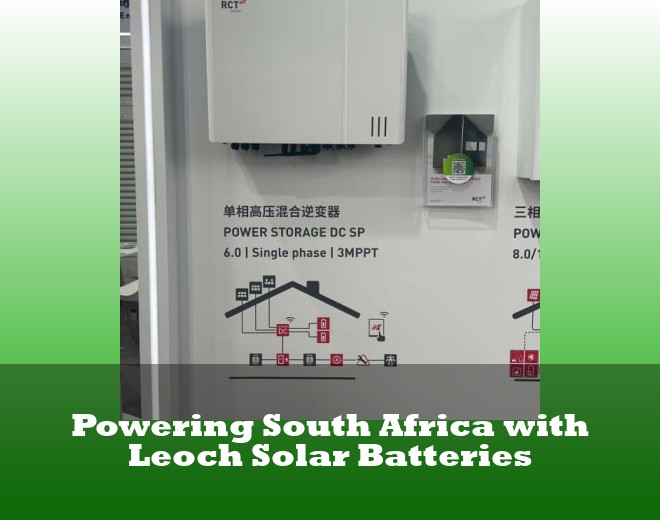
You know, it's not just about flickering lights anymore. Last month's 10-hour blackout in Johannesburg exposed the raw nerve of South Africa's energy infrastructure. Eskom's ageing coal plants operate at 58% availability - down from 85% a decade ago. But wait, no... let me correct that - their latest quarterly report shows 54.3% operational capacity.
Lithium Solar Batteries: Powering South Africa’s Energy Future
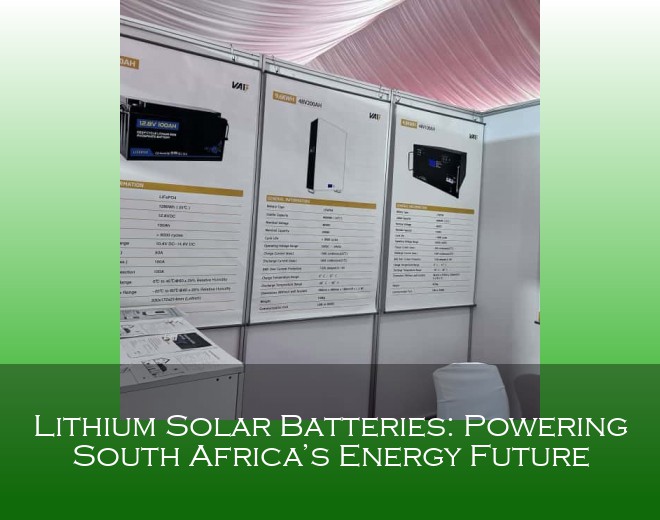
You know, it's hard to ignore those endless "load shedding" notifications anymore. Just last week, Eskom reported over 100 days of rolling blackouts in 2023 alone. But what's really causing this energy nightmare? Let's break it down:
Solar Batteries in Durban: Powering South Africa’s Coastal Hub with Renewable Energy
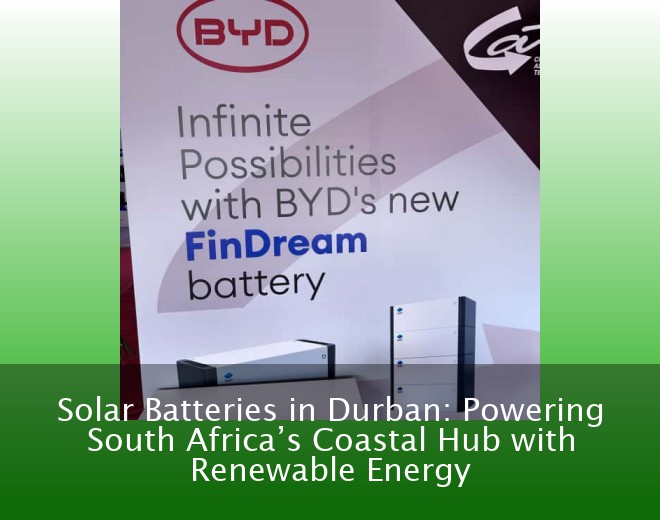
Let’s face it—Durban’s energy landscape isn’t what it used to be. With frequent load-shedding and rising electricity costs, residents and businesses are scrambling for reliable alternatives. Solar batteries have emerged as a game-changer, offering a way to store excess solar energy during sunny hours for use at night or during outages. But why now? Well, the city’s unique coastal climate provides 2,500+ annual sunlight hours—a goldmine for solar potential.
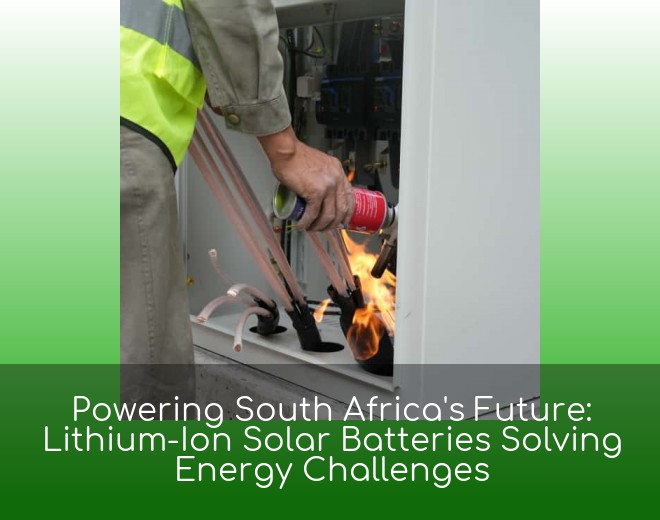
Powering South Africa's Future: Lithium-Ion Solar Batteries Solving Energy Challenges
You know that sinking feeling when Eskom's load-shedding alert pops up? With over 1,000 hours of blackouts in 2024 alone, South Africans are literally left in the dark. But here's the kicker: lithium-ion solar batteries aren't just backup plans anymore - they're becoming the backbone of our energy independence.
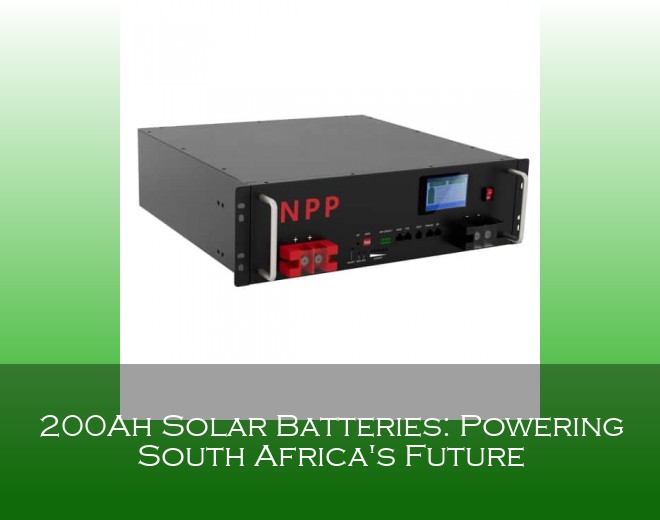
200Ah Solar Batteries: Powering South Africa's Future
load shedding has become South Africa's unofficial national sport. With Eskom implementing over 100 days of blackouts in 2023 alone, households and businesses are desperately seeking alternatives. But here's the kicker: solar solutions without proper storage are like braai tongs without fire - utterly useless when you need them most.
 Inquiry
 Online Chat