


BMS Systems: Safeguarding Battery Performance
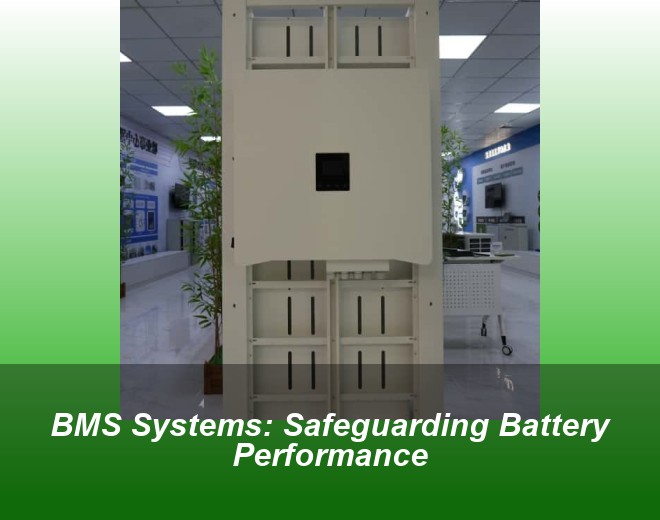
Table of Contents
What Makes BMS the Brain of Battery Systems?
You know how your smartphone suddenly dies at 20% battery? That’s essentially what happens to large-scale battery systems without a robust Battery Management System (BMS). Think of BMS as the nervous system for batteries—constantly monitoring voltage, temperature, and current while preventing catastrophic failures like thermal runaway. In renewable energy storage, where lithium-ion batteries dominate, a single cell malfunction can cascade into a $500,000 disaster. For instance, a 2024 study showed that BMS-equipped industrial batteries had 40% fewer safety incidents compared to unprotected systems.
The Three Pillars of Effective BMS
Well, let’s break it down. A high-quality BMS does three things exceptionally well:
- Real-time monitoring (tracking cell-level variances as small as 2mV)
- Adaptive balancing (correcting charge imbalances during fast charging)
- Predictive analytics (estimating State of Health with 95% accuracy)
The Hidden Risks of Operating Without BMS
Imagine a 100MWh solar farm losing 30% capacity overnight because one battery module overheated. Without BMS intervention, this scenario isn’t just possible—it’s probable. Thermal runaway incidents in unmanaged systems increased by 17% YoY in 2024, according to industry reports. Worse yet, unbalanced cells degrade 3x faster, turning a 10-year battery lifespan into a 3-year money pit.
A Costly Lesson From 2023
Remember the California grid outage last September? Post-mortem analysis revealed that a lack of cell-level temperature monitoring in their lead-acid batteries caused cascading failures. If they’d used even basic BMS protocols, the $2.3 million repair bill could’ve been avoided. As one engineer put it, “Running batteries without BMS is like skydiving without a parachute—you might be fine until you’re very much not.”
How BMS Balances Safety and Efficiency
Modern BMS solutions use hybrid architectures—part centralized control, part distributed sensors. For example, CATL’s latest marine battery systems employ wireless BMS nodes that communicate via mesh networks, reducing wiring complexity by 60%. This isn’t just about avoiding disasters; it’s about squeezing every watt-hour of value from your battery investment.
The Secret Sauce: Adaptive Cell Balancing
Active balancing vs. passive balancing—what’s the difference? Passive systems bleed excess energy as heat, wasting up to 8% of stored power. Active systems, like those in BMW’s iX models, redistribute energy between cells with 92% efficiency. during rapid charging, a BMS can prioritize “hungry” cells while cooling overworked ones, maintaining optimal performance without breaking a sweat.
BMS in Action: EVs and Grid Storage Success Stories
Let’s talk about BYD’s Blade Battery. Their proprietary BMS achieves state-of-charge (SOC) estimation errors below 1.5%—crucial for electric buses needing reliable daily range. Meanwhile, Texas’s new 200MW solar+storage facility credits its BMS for achieving 99.3% uptime during 2024’s summer heatwaves. The system dynamically throttles output when cells hit 45°C, preventing throttled revenue.
When Milliseconds Matter
Formula E racing provides a fascinating edge case. Teams like Jaguar TCS Racing use BMS that samples data every 50 milliseconds—fast enough to prevent voltage spikes during regenerative braking at 200kph. This tech trickles down to consumer EVs; your next car’s fast-charging safety margins likely came from racetrack R&D.
Adapting BMS for Next-Gen Battery Technologies
Solid-state batteries? Sodium-ion cells? They all need reinvented BMS strategies. Take QuantumScape’s solid-state prototypes—their BMS now monitors stack pressure, a critical factor absent in liquid electrolyte systems. As for grid-scale flow batteries, emerging BMS solutions track electrolyte viscosity and pump efficiency. It’s not just about electrons anymore; it’s about managing entirely new failure modes.
The AI Revolution in Battery Management
Machine learning is changing the game. LG Energy Solution’s AI-powered BMS can predict cell failures 72 hours in advance by analyzing subtle voltage ripples. This isn’t sci-fi—it’s already deployed in South Korea’s 1.2GWh Ulsan storage park. And with Tesla’s Dojo supercomputer training BMS neural networks, future systems might self-optimize for local weather patterns or electricity pricing.
Look, whether you’re designing a microgrid or an e-bike, cutting corners on BMS is a false economy. The upfront cost? Typically 3-5% of total battery spend. The potential savings? Avoiding a single thermal event pays for the system tenfold. As renewables dominate energy markets, smart BMS isn’t optional—it’s the backbone of every safe, profitable battery deployment.
Related Contents
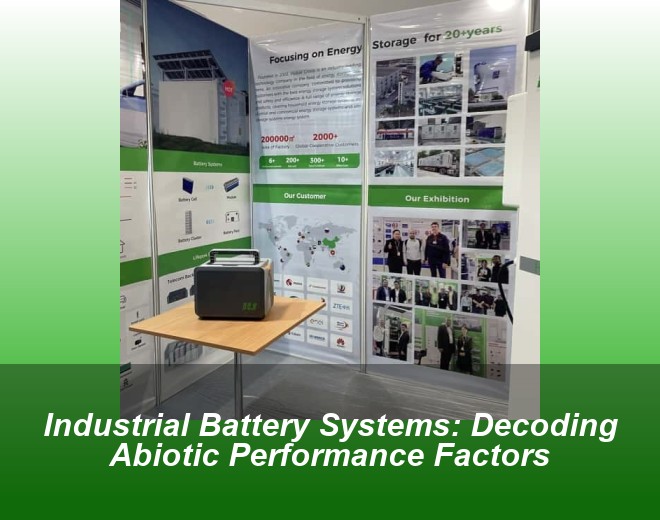
Industrial Battery Systems: Decoding Abiotic Performance Factors
You know that sinking feeling when your industrial battery system underperforms despite perfect installation? More often than not, abiotic factors – those sneaky non-living elements – are sabotaging your energy storage. Unlike biological failures we can easily spot, these invisible saboteurs operate through physics and chemistry.
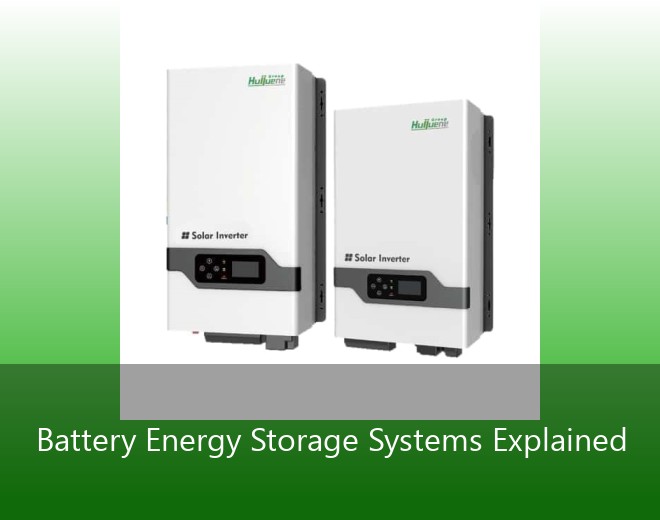
Battery Energy Storage Systems Explained
Let's cut through the jargon. Battery energy storage systems (BESS) are essentially high-tech safety deposit boxes for electricity. Imagine storing sunlight captured at noon to power your Netflix binge at midnight. That's the magic modern energy storage solutions bring to our wobbly power grids.
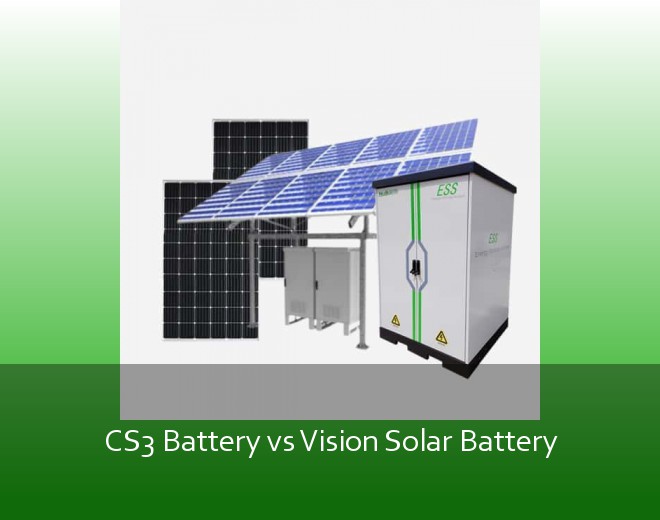
CS3 Battery vs Vision Solar Battery
Ever wondered why your neighbor's solar panels keep working during blackouts while yours don't? The secret sauce lies in their battery storage choice. Today, we're breaking down two heavyweights: the CS3 Battery and Vision Solar Battery.
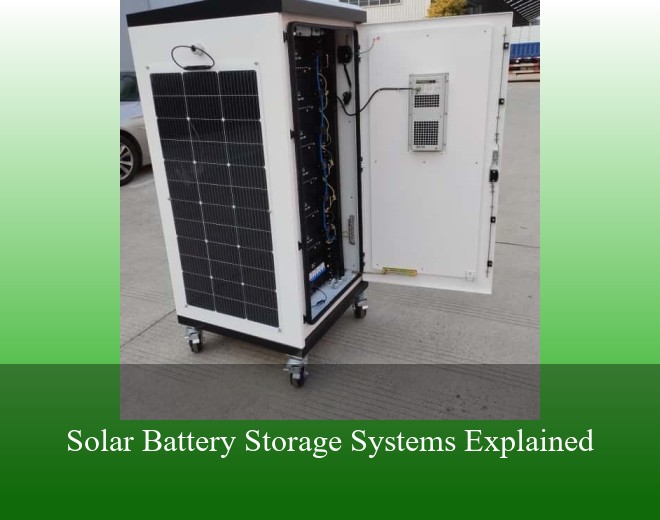
Solar Battery Storage Systems Explained
You know how frustrating it is when clouds ruin your perfect solar day? Without battery storage, that clean energy literally vanishes into thin air. The U.S. Energy Information Administration reports that 35% of solar potential gets wasted annually due to inadequate storage - enough to power 10 million homes!
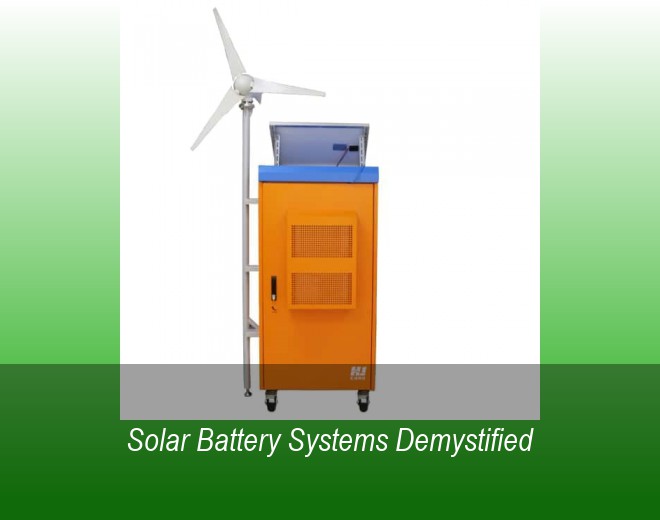
Solar Battery Systems Demystified
Ever wondered why 68% of solar panel owners still rely on grid power after sunset? The answer's simpler than you'd think - most residential systems lack proper energy storage solutions. While solar adoption grew 40% year-over-year in 2023, battery attachment rates linger below 25% globally. That's like buying a smartphone but never charging it!
 Inquiry
 Online Chat