


Solar Roof Revolution in India: Powering Homes, Shaping Futures

Table of Contents
India's Solar Roof Boom: Record Growth & Hidden Challenges
You know, when PM Modi announced the PM Surya Ghar scheme in February 2024, even optimists didn't predict 1 million installations within a year. But here's the kicker – India's rooftop solar capacity grew 282% in 2024 compared to 2023, with quarterly installations hitting 1.3GW in Q4 2024. That's enough to power 650,000 middle-class homes!
Yet behind these headline numbers lies a complex story. While Gujarat and Rajasthan lead with 40% of installations, eight states still lag below 5% adoption rates. The scheme's ₹57,200 crore ($6.8B) subsidy pool helped 613,000 households, but wait – that's less than 15% of the 4.73 million applications received. Why the gap?
The Import Conundrum
Here's where it gets ironic. India's solar boom relies heavily on Chinese components despite local manufacturing push. Customs data shows 87% of panels in 2024 Q1 installations used imported cells, thanks to the temporary zero import duty policy. Domestic manufacturers like Waaree Energies focused on exports instead, shipping $2B worth modules to the US in 2024.
The PM Surya Ghar Effect: Subsidies Driving Adoption
The scheme's real magic lies in its financial engineering. Let's break down the numbers that made 300,000 urban households take the plunge:
- 40% upfront subsidy (capped at ₹78,000 for 3kW systems)
- 6.75% interest loans via 12 public banks
- 300 free units/month for 10 million households proposed in 2024-25 budget
Take the Sharma family in Pune – their 3kW system cost ₹2.1 lakh, but after subsidies and loans, out-of-pocket expense was just ₹54,000. Their monthly savings? ₹2,800 on electricity bills plus ₹900 from selling excess power. Payback period: under 4 years.
Why 90% Homes Still Hesitate: The 5 Roadblocks
Despite glowing reports, ground realities tell another story. A 2025 survey across six states revealed:
- Average 94-day wait for DISCOM approvals
- 45% households unaware of subsidy processes
- 70% apartments face structural constraints
"We applied in June 2024, still waiting for meter installation," says Ramesh K., a Bengaluru resident. His experience mirrors the 31% application dropout rate due to bureaucratic delays.
Batteries, Microgrids & Import Paradox: What's Next?
The real game-changer might be battery integration. With 4-hour daily power cuts in summer, households want storage. The economics? A 3kW solar + 5kWh battery system costs ₹3.8 lakh, but:
| Component | Cost | Subsidy |
|---|---|---|
| Solar Panels | ₹2.1L | ₹78,000 |
| Battery | ₹1.7L | ₹30,000 (new) |
Suddenly, payback stretches to 6.5 years – a tough sell for many. This explains why only 8% of 2024 installations included storage.
From "Bijli Bill" Anxiety to Energy Independence
In Jaipur's Shastri Nagar colony, 42 households collectively installed 500kW through a cooperative model. "We negotiated 18% better rates than individual installations," says coordinator Meena Sharma. Such community approaches could unlock 11GW potential in urban clusters.
The road ahead? It's not just about panels on roofs. It's about rewriting India's energy narrative – one household, one battery, one smart meter at a time. With 146GW solar projects in pipeline, the revolution has truly begun. But will it reach the last mile? That's the trillion-rupee question.
Related Contents

Solar Panel Innovations: Powering Homes and Shaping Energy Futures
solar panels have moved from eco-warrior status symbols to mainstream power solutions. The International Renewable Energy Agency reports global solar capacity reached 1.2 terawatts last quarter. But why aren't we seeing faster adoption rates? Well, it's not just about cost anymore - we're dealing with space constraints, aesthetic concerns, and some persistent myths about reliability.

Shiva Solar: Powering India’s Renewable Revolution
Let’s cut to the chase – 300 million Indians still lack reliable electricity. That’s like the entire US population living in energy poverty. While coal plants sputter and diesel generators choke cities, solar energy suppliers aren’t just an alternative anymore; they’re the lifeline.
Solar Storage Revolution: Powering Smarter Homes
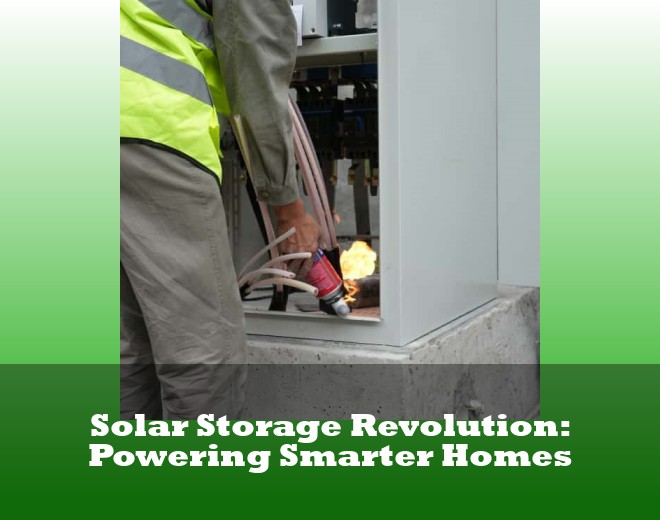
Ever opened your electricity bill only to gasp at the numbers? You're not alone. The U.S. saw a 28% spike in residential electricity rates this winter compared to 2024 - and get this, solar storage systems could've saved the average household $412 monthly according to latest NREL data.
Top 10 Solar Batteries Powering India's Renewable Revolution
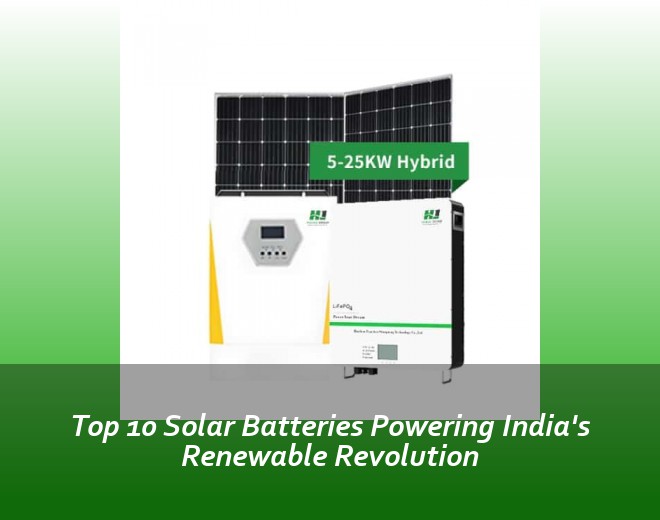
You know how it goes - the lights flicker during monsoon storms, factories face power cuts during peak hours, and diesel generators chug away in residential societies. India's energy deficit currently stands at 1.3%, but that dry statistic hides sweltering realities. Last month in Delhi, temperatures hit 49°C while hospitals rationed AC power.
Arina Solar: Powering India's Renewable Revolution
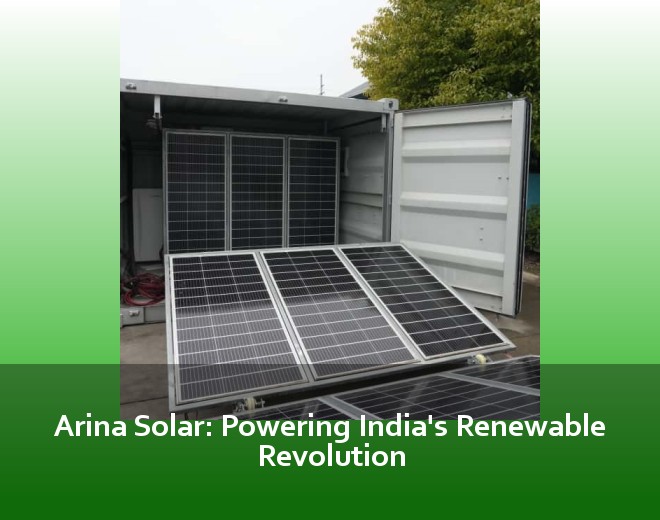
You know how they say India's economic growth is like a rocket ship? Well, that rocket's fuel gauge is blinking red. With energy demand projected to double by 2030, traditional power grids are struggling worse than a monsoon-drenched transformer. Last month's blackouts across Maharashtra left 12 million people sweating in the dark - a brutal reminder of our fragile energy infrastructure.
 Inquiry
 Online Chat