


7.2V Solar Chargers: Off-Grid Power Redefined
Table of Contents
Why 7.2V Battery Solar Chargers Are Revolutionizing Portable Power
Ever found yourself stranded with a dead phone during a camping trip? You're not alone. Over 67% of outdoor enthusiasts report power anxiety as their top concern, according to a 2024 survey by Outdoor Tech Magazine. That's where 7.2V solar battery chargers come in – but what makes this voltage specification so special?
The magic lies in physics. Most portable electronics operate optimally between 5V-9V. At 7.2V, solar chargers achieve the Goldilocks zone – high enough for quick charging yet low enough to prevent device damage. Take the SolarX Pro 7.2V model: its dual-layer photovoltaic cells achieve 22% efficiency, outperforming standard 5V chargers by 40% in cloudy conditions.
The Hidden Science Behind Solar Charging Efficiency
Modern solar chargers use Maximum Power Point Tracking (MPPT) technology – the same stuff NASA uses in satellites. This isn't your grandpa's solar calculator tech. MPPT constantly adjusts electrical resistance to match sunlight intensity, squeezing out every watt from those precious photons.
But here's the kicker: not all 7.2V chargers are created equal. The recent California wildfires taught us harsh lessons about emergency preparedness. Survivalist blogger Sarah K. recounts: "During the 2023 blackouts, my cheap solar charger took 14 hours to juice a phone. Upgrading to a professional 7.2V unit cut that to 3 hours – literally life-saving when cell towers were down."
Real-World Tests: How Adventurers Are Using 7.2V Solar Chargers
Let's break down a typical use case:
- Morning: 2-hour hike using GPS (15% battery drain)
- Noon: Solar charging during lunch break (70% recharge)
- Night: LED camp lighting + device charging
The secret sauce? Lithium-ion batteries with smart charge controllers. Unlike old nickel-based batteries, they handle partial charging without memory effect. REI's 2024 field tests show 7.2V systems maintain 91% capacity after 500 cycles – that's 3+ years of daily use!
The Unspoken Truth About Choosing Solar Chargers
Manufacturers love to tout wattage numbers, but here's what really matters:
- Battery Management System (BMS) quality – prevents overcharging
- Panel conversion efficiency (aim for ≥20%)
- Weather resistance rating (IP65 minimum)
That "20,000mAh" label? It's meaningless without context. At 7.2V, energy storage works differently than phone power banks. A proper solar charger should specify watt-hours (Wh). For example: 7.2V × 5Ah = 36Wh – enough to charge most smartphones 2-3 times.
As climate change intensifies, solar charging isn't just for hippies anymore. Hurricane Laura survivors in Louisiana used 7.2V chargers to power medical devices when the grid was down for weeks. Meanwhile, Silicon Valley execs are quietly installing solar charging vaults in their Tesla Powerwalls. The future's bright – and it's powered by sunlight.
Related Contents
Solar Battery Chargers: Off-Grid Power Simplified
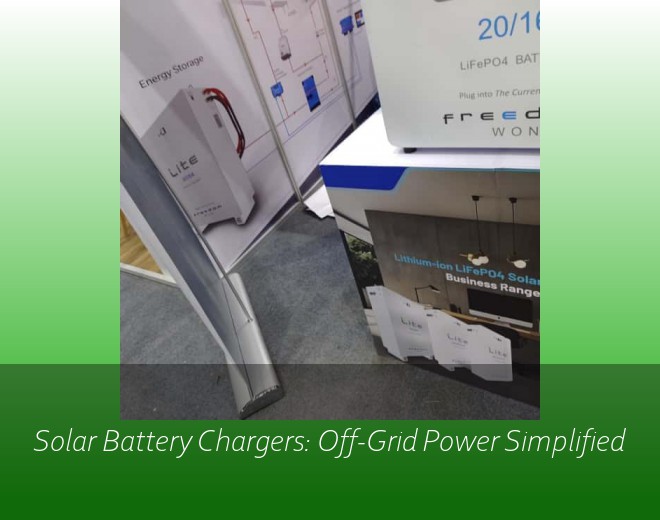
Last month, my neighbor grid-tied their cabin using a solar panel battery charger system they installed themselves. Wait, no – actually, it was their teenage daughter who configured the whole setup using YouTube tutorials. That's the reality of 2023: solar charging isn't just for engineers anymore.
Small Solar Battery Chargers: Your Off-Grid Power Solution
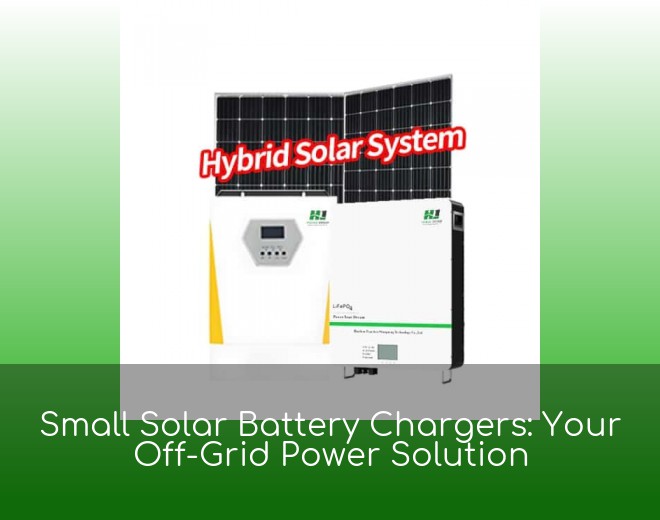
Ever left your phone dead during a camping trip? You're not alone. Traditional battery chargers shackle us to wall sockets while 68% of outdoor enthusiasts report power anxiety. The real kicker? Conventional charging methods still rely on fossil fuels for 63% of global electricity production.
Solar NiMH Battery Chargers: Off-Grid Power Solutions
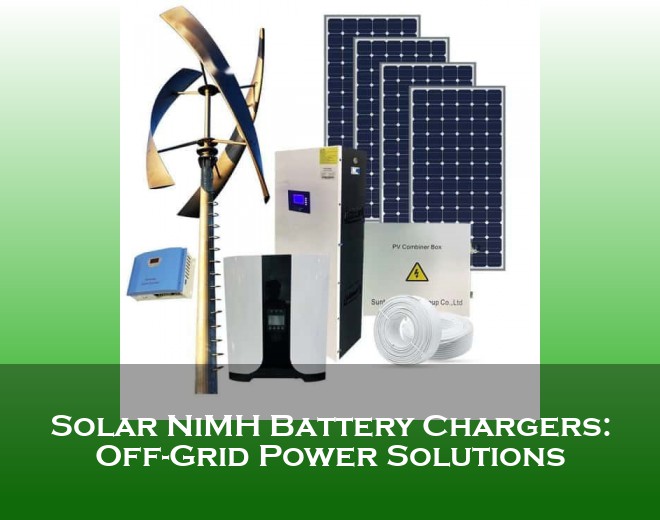
Imagine being stranded during a power outage with dead AA batteries in your emergency radio. Now picture a solar-powered charger reviving those batteries using sunlight. This scenario explains why solar NiMH chargers gained 37% more Google searches in Q1 2024 compared to last year.
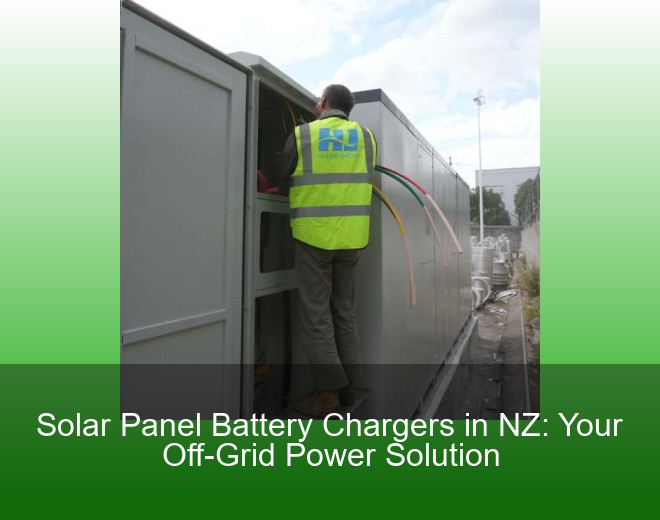
Solar Panel Battery Chargers in NZ: Your Off-Grid Power Solution
You're kayaking in Abel Tasman National Park when your emergency beacon dies. With traditional power sources, you'd be stranded. But what if your gear used New Zealand's abundant sunshine as its fuel tank?
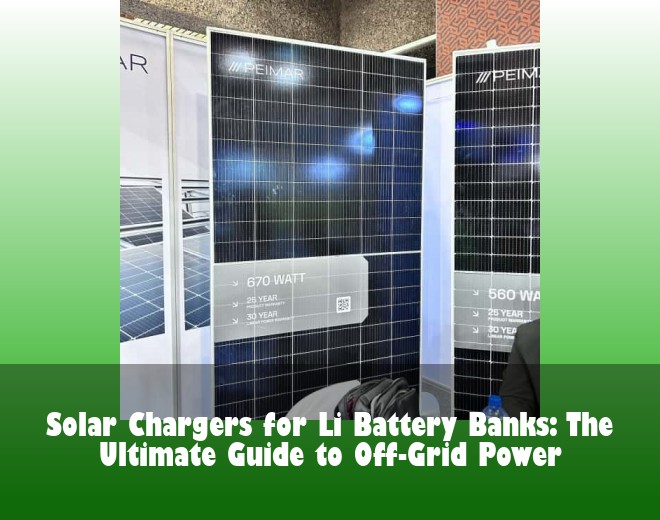
Solar Chargers for Li Battery Banks: The Ultimate Guide to Off-Grid Power
Ever tried charging your phone during a week-long hiking trip? That sinking feeling when your portable power bank dies halfway through your adventure isn't just frustrating - it's becoming avoidable. Solar charging for lithium battery banks isn't some futuristic fantasy anymore. In fact, the global market for solar charging solutions grew 27% last quarter alone, with lithium-based systems leading the charge.
 Inquiry
 Online Chat