


Battery Networks Powering Renewable Futures
Table of Contents
Why Energy Storage Can't Wait
You know how people talk about renewable energy like it's some perfect solution? Well, here's the kicker - without advanced battery storage systems, solar panels are basically useless at night. The global energy storage market is projected to hit $546 billion by 2035, but we're already seeing California waste enough solar power annually to electrify 325,000 homes. Crazy, right?
Last month, Texas grid operators faced a weird dilemma - they had to pay consumers to use electricity during a sunny afternoon because their storage capacity couldn't handle the solar surplus. This isn't just about saving energy; it's about preventing economic waste on an industrial scale.
Beyond Single Batteries: The Network Effect
Individual battery units are sort of like smartphones before cellular networks - technically impressive but practically limited. When you connect distributed storage nodes through intelligent management systems, something magical happens. A 2023 pilot in Bavaria demonstrated that networked home batteries achieved 92% utilization efficiency compared to isolated units' 67%.
- Peak shaving: Networked systems reduce grid strain during high demand
- Fault tolerance: Single battery failure doesn't collapse the system
- Price arbitrage: AI-driven trading across time zones maximizes ROI
"Our virtual power plant in South Australia has become more profitable per megawatt than the actual solar farms feeding it," reveals Apex Energy's CTO during last month's GridTech Summit.
Storage Solutions That Actually Work
Let me tell you about the time I visited Tesla's Megapack installation in Queensland. Walking through rows of refrigerator-sized lithium-ion units, the site manager casually mentioned, "Each of these bad boys stores enough juice to power 3,500 homes through dinner time." But here's the rub - their secret sauce isn't the batteries themselves, but the mesh network allowing instantaneous load redistribution.
China's latest battery energy storage system (BESS) deployment in the Gobi Desert uses sand-resistant modular units that self-organize into storage clusters. During sandstorms that would fry traditional setups, the network reroutes power flows within milliseconds. We're talking about systems that outthink weather patterns, not just respond to them.
Not All Electrons Are Created Equal
Lithium-ion might get all the headlines, but flow batteries are staging a quiet revolution. A Chicago-based startup recently demonstrated a vanadium redox flow battery that cycles 25,000 times without degradation - that's three times lithium's lifespan. The catch? It requires networked systems to achieve commercial viability.
| Technology | Cycle Life | Cost/kWh |
|---|---|---|
| Lithium-ion | 6,000 | $137 |
| Flow Battery | 25,000 | $210 |
| Saltwater | 15,000 | $185 |
But wait, there's more. Sodium-ion batteries are kind of the dark horse here. They don't have the energy density of lithium, but their abundance makes them perfect for grid-scale storage networks. China's CATL recently shipped its first batch of sodium-ion storage units to a microgrid project in Inner Mongolia.
Why Regulations Lag Behind Tech
Here's where things get frustrating. The U.S. Federal Energy Regulatory Commission (FERC) only updated its storage interconnection rules in 2021 - years after the technology had already matured. We're seeing European countries like Germany lead in battery network integration, with their GridBooster projects achieving 40% faster frequency response than conventional systems.
A Texas homeowner with solar panels and a Powerwall can't legally sell stored energy to neighbors during blackouts due to century-old utility regulations. Meanwhile, in Australia's Queensland, networked home batteries reduced grid strain during last summer's heatwave by 18% through peer-to-peer trading.
The solution isn't just technical - it's social. Amsterdam's Energy Commons initiative combines blockchain tracking with community-owned battery storage networks, proving that ownership models matter as much as battery chemistry. Participants saw 22% lower energy bills compared to non-members last quarter.
What's Next for Storage Networks?
As we approach Q4 2023, three developments are reshaping the landscape:
- AI-powered predictive balancing (cuts storage waste by up to 34%)
- Second-life EV battery networks (30% cost reduction for grid storage)
- Self-healing grid architectures (78% faster outage recovery)
But let's not kid ourselves - the real breakthrough will come when storage networks become invisible infrastructure. Like that time I toured a Danish supermarket where the refrigeration units doubled as thermal storage buffers. Nobody saw the batteries, but everyone benefited from the 19% price drop in chilled goods.
The future's already here - it's just not evenly distributed. With major players like Shell acquiring residential storage startups and China commissioning its 200th gigawatt-scale battery farm, the race for storage supremacy is accelerating. One thing's clear: Tomorrow's energy champions won't just generate electrons - they'll master the art of storing and sharing them.
Related Contents
Wondrwall Battery: Powering Renewable Futures
renewable energy systems have an inconvenient truth. Solar panels go quiet at night, wind turbines stall on calm days, and grid infrastructure? Well, it's kind of like trying to pour Niagara Falls through a garden hose. The International Renewable Energy Agency (IRENA) estimates we're wasting 35% of clean energy potential due to inadequate storage solutions.
Lithium-Ion Battery Farms: Powering Renewable Futures
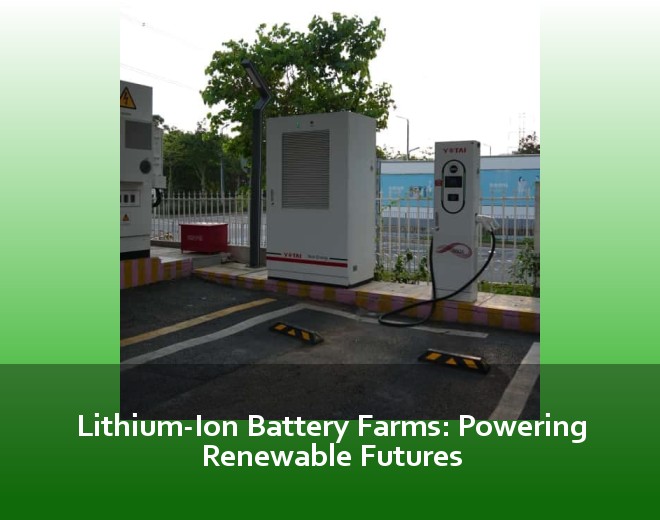
renewable energy storage has become the make-or-break factor in our clean energy transition. Solar panels now convert sunlight at 22.8% efficiency, and wind turbines harness breeze even at 3 m/s. But here's the kicker: Texas recently wasted 9.3% of its wind power during a storm because there was nowhere to store the excess. Talk about pouring money down the drain!
Sunterra Battery: Powering Renewable Futures
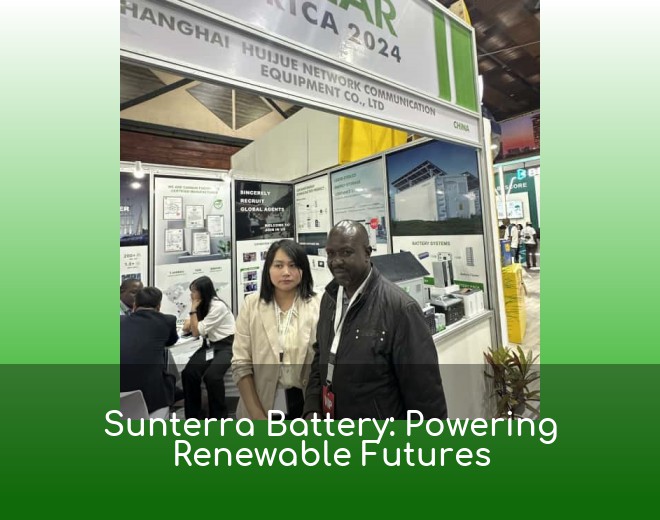
Let's face it—solar panels only work when the sun shines. What happens during cloudy days or at night? This intermittency problem has been the Achilles' heel of renewable energy systems. In 2024 alone, California curtailed 2.4 TWh of solar energy because there wasn’t enough storage capacity. That’s enough electricity to power 223,000 homes for a year!
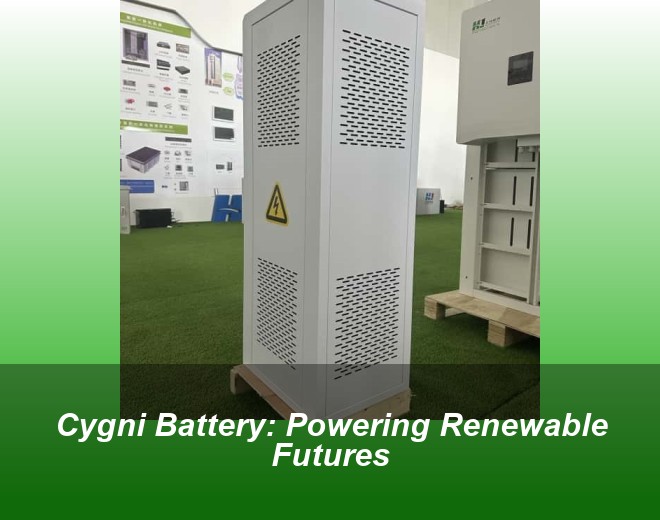
Cygni Battery: Powering Renewable Futures
You know how everyone's talking about solar panels and wind turbines these days? Well, here's the kicker – none of that matters without proper energy storage. The global battery energy storage market is projected to hit $28 billion by 2026 according to March 2025 industry reports, but what's driving this surge?
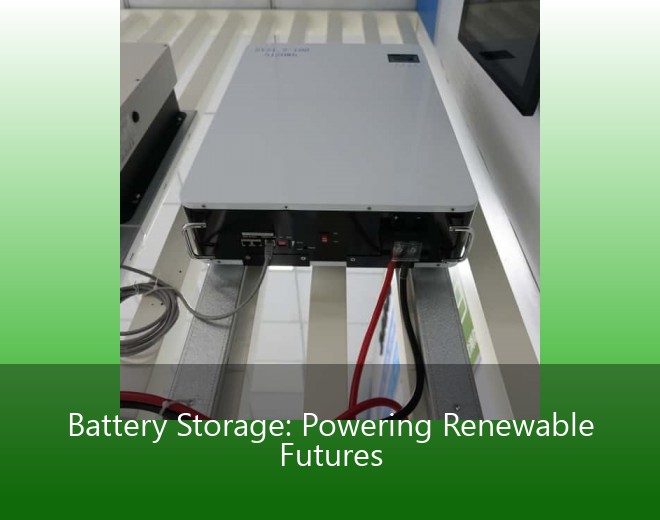
Battery Storage: Powering Renewable Futures
You know how people talk about the "brains" and "muscle" of energy storage? Let's break it down properly. Every BESS (Battery Energy Storage System) relies on six interdependent components:
 Inquiry
 Online Chat