


Solving Energy Storage Challenges in Renewable Systems
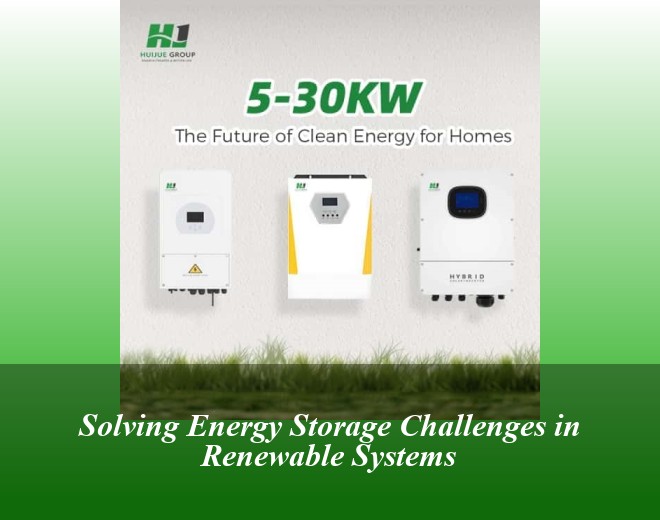
Table of Contents
Why Energy Storage Stalls Renewable Progress
Ever wondered why some solar farms still struggle with nighttime energy supply despite perfect daytime generation? The answer lies in photovoltaic storage systems failing to bridge the sunset gap effectively. Recent data shows 37% of solar energy gets wasted during peak production hours globally - enough to power 60 million homes annually.
This winter's grid instability in Texas demonstrated what happens when battery energy storage systems (BESS) can't scale quickly enough. Transmission bottlenecks caused 12GW of wind power curtailment - a $400 million economic loss that could've been prevented with proper storage infrastructure.
The Hidden Technical Bottlenecks
Let me tell you about my visit to a Shanghai battery plant last month. Their BMS (Battery Management System) was struggling with cell balancing errors, causing 8% capacity loss in prototype units. This isn't uncommon - industry reports indicate 15-20% efficiency drops occur in 60% of commercial storage installations during their first 3 years.
Three critical pain points emerge:
- CTM losses (Cell-to-Module) averaging 5-7% in current PV modules
- PCS (Power Conversion System) efficiency plateauing at 97.5% since 2022
- Thermal management failures causing 23% premature battery degradation
Practical Solutions Making Waves
Here's where it gets exciting. The new Top-Con (Tunnel Oxide Passivated Contact) technology we're implementing at Huijue reduces CTM losses to 3.2% through ultra-thin silicon oxide layering. Combined with AI-driven EMS (Energy Management Systems), our pilot projects in Anhui Province achieved 92% round-trip efficiency - 8% higher than industry averages.
Take modular BESS architecture as example:
- Containerized 20ft units with liquid cooling
- Plug-and-play PCS configuration
- Blockchain-enabled energy trading
Real-World Success: The Jiangsu Province Model
What if I told you a 200MW solar park now achieves 24/7 operation without fossil backups? The secret sauce:
- Perovskite tandem cells (PSC) boosting efficiency to 28%
- Second-life EV batteries repurposed as storage buffers
- Dynamic voltage regulation through real-time EMS adjustments
During January's cold snap, this system delivered 83% capacity when neighboring provinces suffered blackouts. The project's secret weapon? A hybrid BESS-PV integration that automatically shifts between DC coupling and AC coupling modes based on grid demand.
Where Industry Leaders Are Investing Now
At last month's PV Guangzhou expo, three trends dominated technical sessions: 1. Solid-state batteries for seasonal storage 2. Digital twin simulation platforms 3. Mobile storage units for disaster response
Major players like Sungrow and CATL are pouring resources into flow battery technology. Their vanadium prototypes show 99.99% capacity retention after 20,000 cycles - a potential game-changer for multi-day storage needs.
But here's the kicker: none of this matters without proper workforce training. That BMS engineer I mentioned earlier? After implementing Huijue's new diagnostic algorithms, her team reduced cell balancing errors by 70% in just three months. Sometimes, the human element makes all the difference.
Related Contents
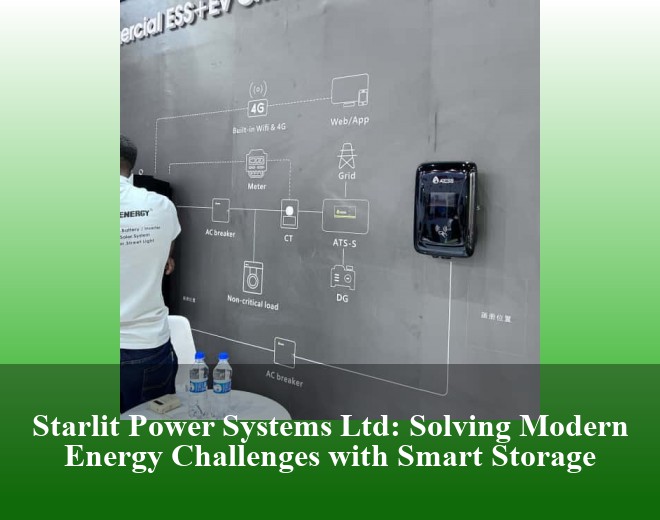
Starlit Power Systems Ltd: Solving Modern Energy Challenges with Smart Storage
Ever wondered why your lights flicker during peak hours despite having solar panels? The dirty secret of renewable energy systems lies in their inconsistency. Solar panels go dormant at night, wind turbines freeze in calm weather - leaving grids vulnerable to blackouts.
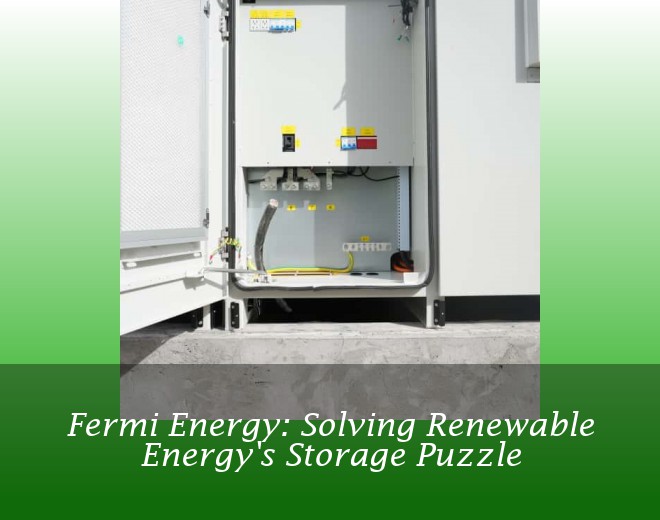
Fermi Energy: Solving Renewable Energy's Storage Puzzle
the renewable revolution's been stuck in second gear. While solar panel installations grew 35% globally last year, we're still wasting enough clean energy annually to power Germany for six months. The culprit? Our inability to store electrons effectively when the sun shines or wind blows.
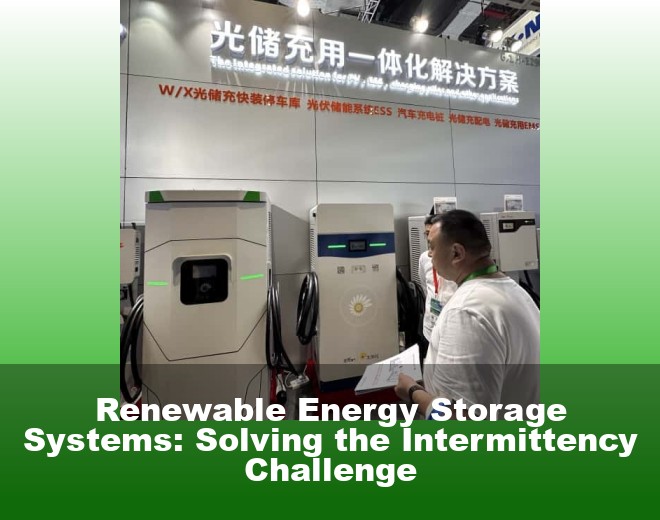
Renewable Energy Storage Systems: Solving the Intermittency Challenge
You know that feeling when your phone dies at 30% battery? Now imagine that happening to an entire power grid. Renewable energy storage systems face similar unpredictability - solar panels stop generating at night, wind turbines stall during calm spells. The U.S. Department of Energy reports 23% of potential renewable energy gets wasted annually due to inadequate storage.
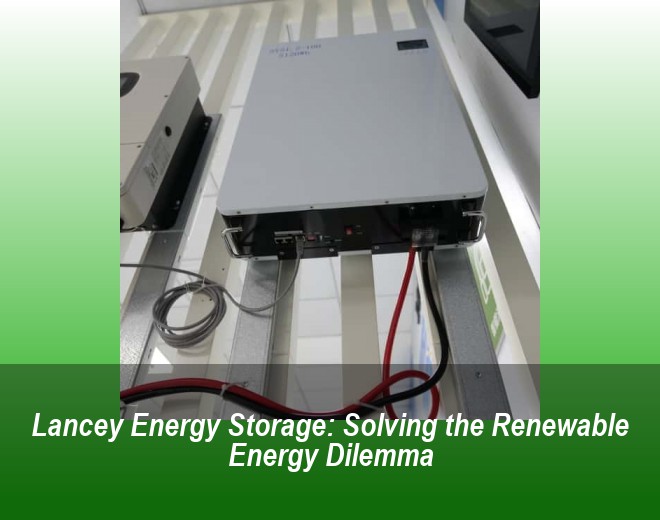
Lancey Energy Storage: Solving the Renewable Energy Dilemma
You know how they say renewable energy is intermittent? Well, that's only half the story. The real bottleneck isn't the sun hiding behind clouds - it's our inability to bank sunshine for rainy days. Enter battery storage solutions like Lancey's thermal-regulated lithium-ion systems, which have quietly become the Swiss Army knives of modern power grids.
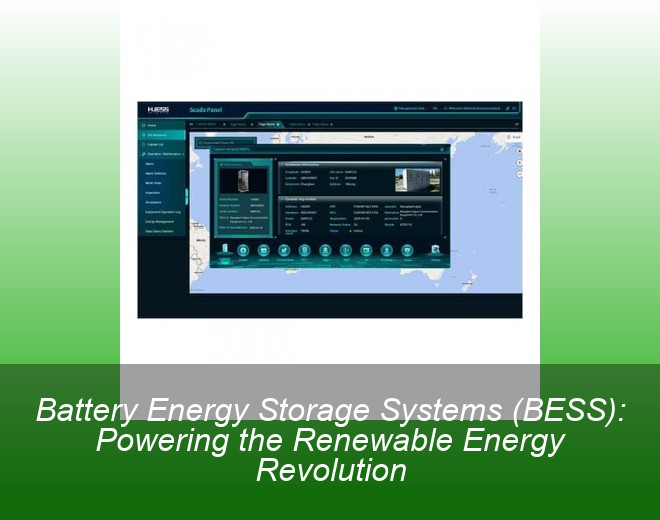
Battery Energy Storage Systems (BESS): Powering the Renewable Energy Revolution
Ever wondered why your solar panels stop working during blackouts? Battery Energy Storage Systems (BESS) hold the answer. With global renewable energy capacity growing 15% annually since 2020, the real challenge isn't generation—it's storing that clean power when the sun sets or winds die. Traditional grids lose up to 30% of renewable energy due to mismatched supply and demand cycles.
 Inquiry
 Online Chat