


Direct Solar Power Without Battery Storage
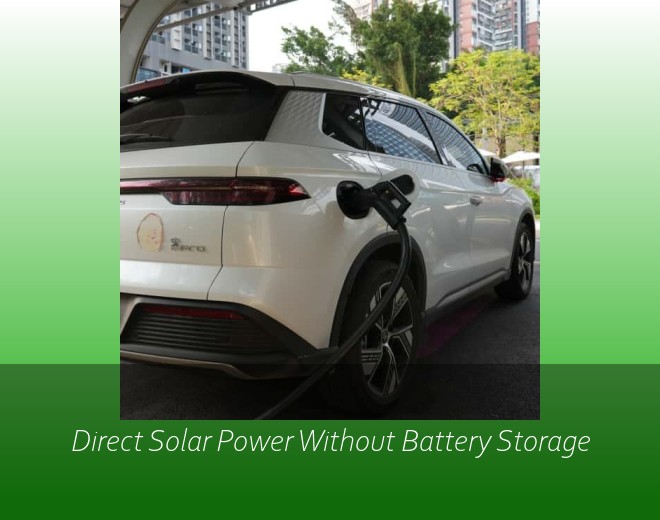
Table of Contents
How Battery-Free Solar Systems Work
Let's cut through the technical jargon: direct solar systems operate on a simple "use it or lose it" principle. When sunlight hits your panels, the energy either gets consumed immediately by connected devices or gets fed back into the grid. Unlike traditional setups requiring battery storage, these systems eliminate the middleman through clever energy management.
Imagine running your water pump only when the sun shines brightly, or scheduling laundry cycles during peak solar hours. This approach works surprisingly well for daytime operations - in fact, agricultural irrigation systems in California's Central Valley have achieved 40% cost reductions using this method since 2023.
The Physics Behind Instant Consumption
Solar panels typically produce DC electricity that needs conversion for household use. In battery-free systems:
- Panels generate power during daylight
- Microinverters condition the electricity
- Smart controllers prioritize active loads
What happens during cloud coverage? Modern grid-tie inverters can seamlessly blend solar and grid power, though you'll want to size your system appropriately. A recent study showed properly configured systems maintain 85%+ energy autonomy during daylight hours.
When Direct Solar Makes Sense
Not every home needs 24/7 solar coverage. Consider these practical applications:
- Daytime workshops with heavy machinery use
- Agricultural operations (water pumping, ventilation)
- Off-grid cabins with predictable usage patterns
Take the case of a Colorado goat farm that eliminated battery costs by syncing milking schedules with solar production. Their $12,000 system pays back in 4 years through reduced diesel generator use - a 60% shorter ROI period than battery-dependent alternatives.
The Load Matching Revolution
Smart appliances now integrate with solar controllers through protocols like SunSync™. Your water heater might automatically boost temperature when surplus energy's available, then maintain heat through insulation. It's sort of like catching rainwater in barrels during storms - except we're harvesting photons instead of H2O.
Key System Components
Building a battery-free system requires three core elements:
1. Production Modules
High-efficiency monocrystalline panels dominate this space. The latest bifacial models add 15-20% output by capturing reflected light - perfect for snowy regions or light-colored rooftops.
2. Conversion Technology
Microinverters outperform central inverters for partial shading conditions. Enphase's new IQ8 series even enables "islanding" - maintaining limited power during grid outages without batteries.
3. Load Controllers
These brain units prioritize energy allocation. The SolarEdge Energy Hub dynamically routes power between appliances, while excess energy can:
- Heat water tanks
- Charge electric vehicles
- Feed back to the grid
Installation Considerations
Proper sizing makes or breaks battery-free systems. Follow this golden rule: Your panel array should cover 120% of daytime load requirements. Undersizing leads to grid dependence; oversizing wastes potential.
Ground-mounted systems offer easier maintenance but require land. Rooftop installations save space but need structural assessments. Either way, use rapid shutdown devices meeting NEC 2020 standards for fire safety.
Maintenance Simplified
Without batteries, you avoid the #1 failure point in solar systems. Panel cleaning and connection checks become the primary tasks. Most users report spending <1 hour monthly on maintenance - a 75% reduction compared to battery-based systems.
The Grid-Independent Future
As appliance efficiency improves, direct solar becomes more viable. Heat pump technologies now achieve 500% efficiency, meaning 1kW of solar can provide 5kW of heating. Pair this with time-shifted loads, and we're looking at a potential 70% reduction in residential grid dependence by 2030.
The real game-changer? Community solar gardens enabling urban dwellers to implement battery-free solutions. Brooklyn's Sunset Park project lets 200+ apartments share a solar array, offsetting daytime common area usage completely.
So is battery-free solar right for you? If your energy needs align with daylight hours and you're comfortable with some grid interaction, this could be your low-maintenance path to energy independence. Why store what you can use immediately? The sun's not sending a bill - let's not waste its generosity.
Related Contents
Solar Power Simplified: Micro-Inverter Systems Without Battery Storage
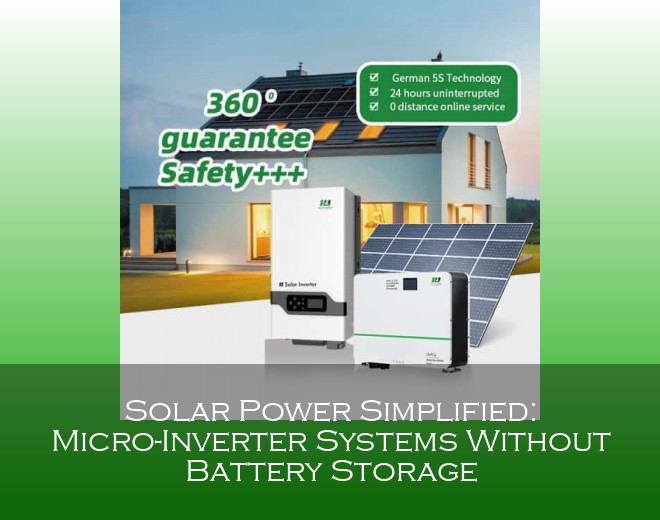
Did you know the average American household wastes 22% of its solar potential through inefficient energy conversion? Enter micro-inverter systems - the quiet achievers transforming how we harness sunlight. Unlike clunky central inverters, these matchbox-sized devices attach directly to each solar panel, performing DC-to-AC conversion at the source.
Solar Power Without Battery Storage
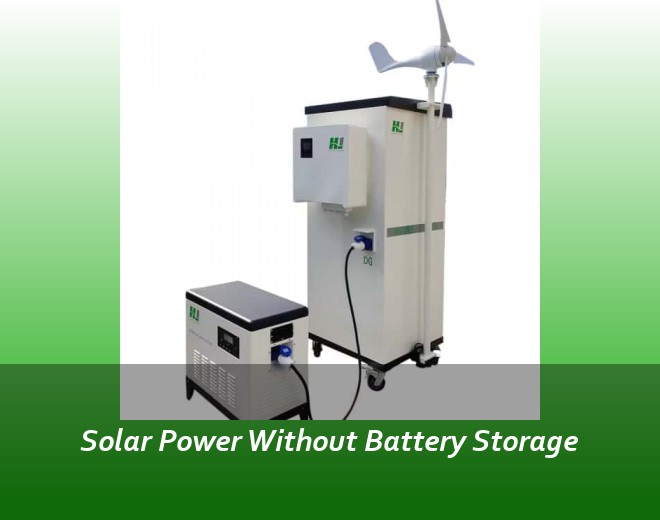
Let's cut through the hype - using solar panels without batteries isn't some futuristic fantasy. In fact, 38% of residential solar installations in sunbelt states like Arizona and Texas are now opting for battery-free configurations. But wait, doesn't that leave you powerless at night? Well, here's the kicker: modern energy management systems are flipping the script on traditional solar economics.
Using Solar Power Without Battery Storage
Why do 78% of solar installations still rely on batteries in 2024? The answer lies in our outdated assumption that solar energy requires storage to be useful. But here's the kicker – modern photovoltaic systems can actually power devices directly when properly configured.
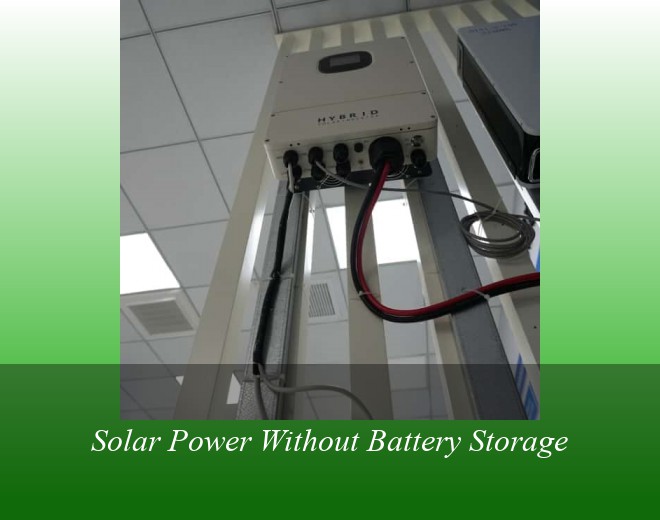
Solar Power Without Battery Storage
Let's cut to the chase—solar panels without batteries aren't just possible, they're actually how most residential systems worked before home energy storage became trendy. Think about it: Why store energy when you can use sunlight directly and sell excess power back to the grid?
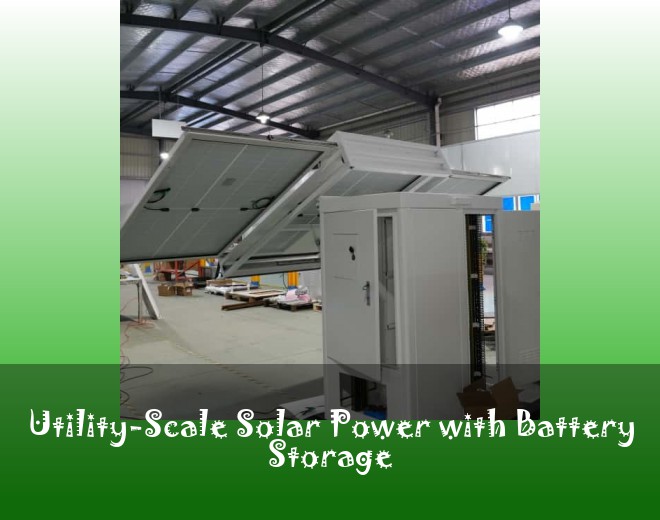
Utility-Scale Solar Power with Battery Storage
We've all seen those sprawling utility-scale solar power plants transforming deserts into shimmering blue seas of photovoltaic panels. But here's the rub: What happens when the sun clocks out? In 2023 alone, California curtailed 2.4 TWh of solar energy - enough to power 270,000 homes for a year. That's like filling an Olympic pool with champagne and then draining it because you couldn't find enough glasses.
 Inquiry
 Online Chat